Whether your waste is repurposed depends on local market demand and proper sorting, as the answer to 'does my recycling actually get recycled' in rural Utah often comes down to logistics and infrastructure. While items like cardboard and metal cans are highly recyclable, nearly 25 percent of materials are sent to landfills because of contamination or improper disposal of items like plastic bags.
You stand at the curb, bin in hand, wondering if the effort of sorting your plastics and paper actually translates into a second life for those materials. It is a common frustration for Fillmore residents who see national reports about failing systems and wonder if our local rural infrastructure faces the same fate. In Millard County, the logistical reality is more complex than a simple yes or no answer. This skepticism is not just a personal doubt; it is a signal that we need a deeper understanding of how rural logistics and global markets intersect. In the following sections, we will trace the journey of your recyclables, debunk pervasive myths about Utah waste management, and explain why your sorting habits are the primary factor in determining if an item is salvaged or discarded. You will gain a clear, expert perspective on the local impact of your environmental choices.
The Growing Skepticism Around Where Your Recycling Really Goes
Recent reports highlight a discouraging figure: only about 21 percent of residential recyclables in the U.S. are actually captured for processing. This national statistic has fueled a growing skepticism, leading many to believe the recycling myth that everything eventually ends up in a landfill. When you see footage of massive waste piles or read about discontinued programs in major cities, it is natural to ask, does my recycling actually get recycled?
The reality in Millard County is different from these national headlines. While large scale systems in metropolitan areas often struggle with extreme contamination and complex global logistics, localized efforts in Fillmore focus on transparency and efficiency. National statistics reflect a broad, often broken, infrastructure; however, local partners like Millard Recycling provide dependable recycling services by maintaining direct oversight of the material stream.
We use specific processes and modern equipment to ensure that the materials collected from our neighbors reach the right refining facilities. By focusing on proper recycling handling at the point of collection, we bridge the logistics gap that often causes larger programs to fail. Instead of contributing to a national average of inefficiency, our organized routing and sorting methods are designed to keep valuable materials out of the local landfill and back into the manufacturing cycle. Skepticism is understandable in the face of national challenges, but in a rural community, your commitment to the bin translates into tangible resource conservation through a verified, local supply chain.
Why Rural Utah Faces Unique Recycling Challenges
In rural Utah, the geographic divide between residential bins and industrial processing hubs creates a distinct set of hurdles. While a metropolitan area may have a processing facility within a few miles, Fillmore sits hours away from the major refining markets in the state. This distance introduces a logistics gap where the cost of fuel, labor, and vehicle maintenance can quickly outweigh the market value of the materials themselves. For many rural municipalities, the lack of high-volume demand makes a program financially unsustainable; however, Millard Recycling addresses these challenges by focusing on operational density and efficient routing.
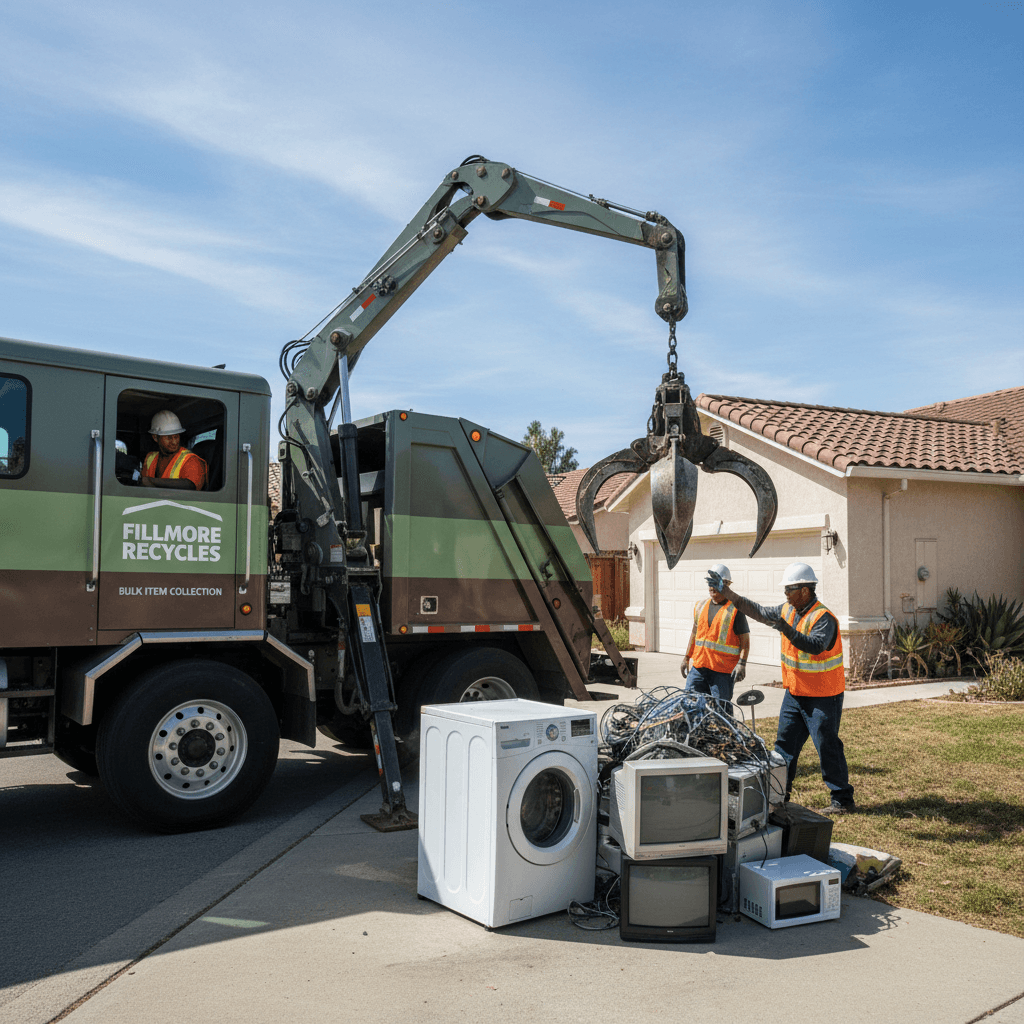
Maintaining dependable recycling services in the desert requires a balance of modern equipment and strategic planning. We use specialized machinery to consolidate materials, ensuring that every truck leaving our facility is maximized for weight and volume. This reduces the number of trips required to move products from Millard County to regional hubs, directly cutting down the carbon footprint and the overhead costs of the program. By investing in equipment that can handle rural volumes effectively, we close the gap that often leaves smaller communities without viable waste diversion options.
Economics in rural areas are highly sensitive to the quality of the load. When transportation costs are high, there is no margin for error. If a truckload of cardboard is contaminated with household trash, the entire shipment may be rejected at the destination, turning a potential resource into a costly expense for the community. This is why proper recycling handling at the source is so critical. Our commitment to organized routing only works when the community commits to clean sorting. By bridging the physical distance through expert logistics, we ensure that the question of does my recycling actually get recycled is answered by the successful arrival of materials at their final destination, rather than by a trip to the local landfill due to transport inefficiency.
The Journey of a Bottle: What Happens After the Recycling Truck Leaves Your Curb
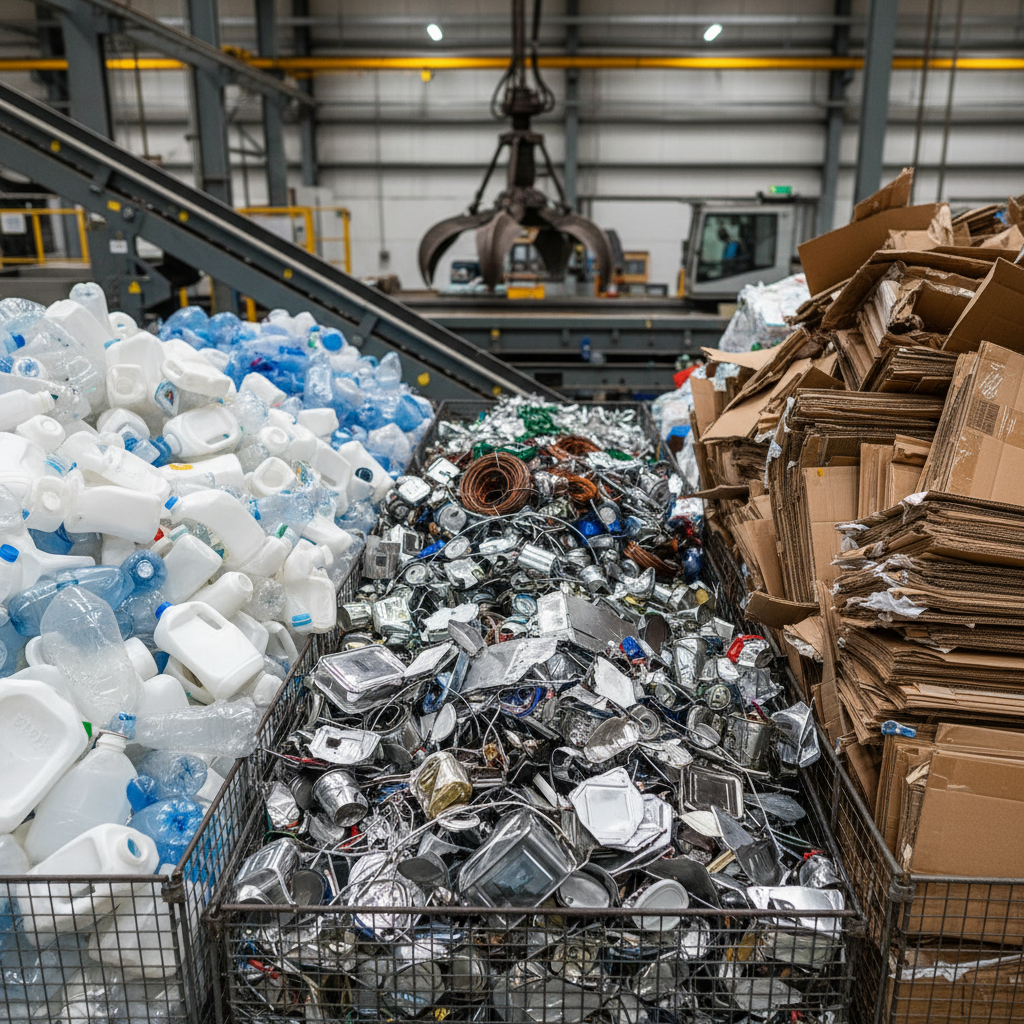
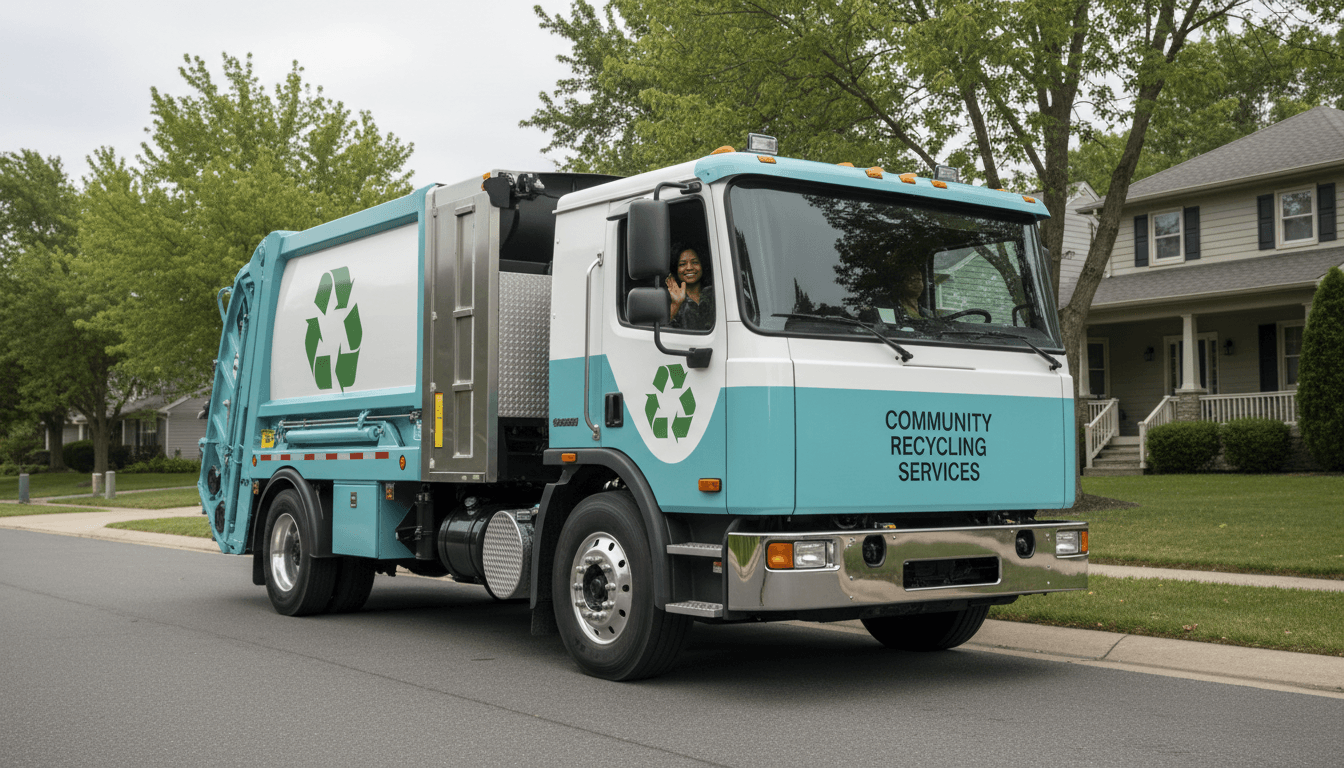
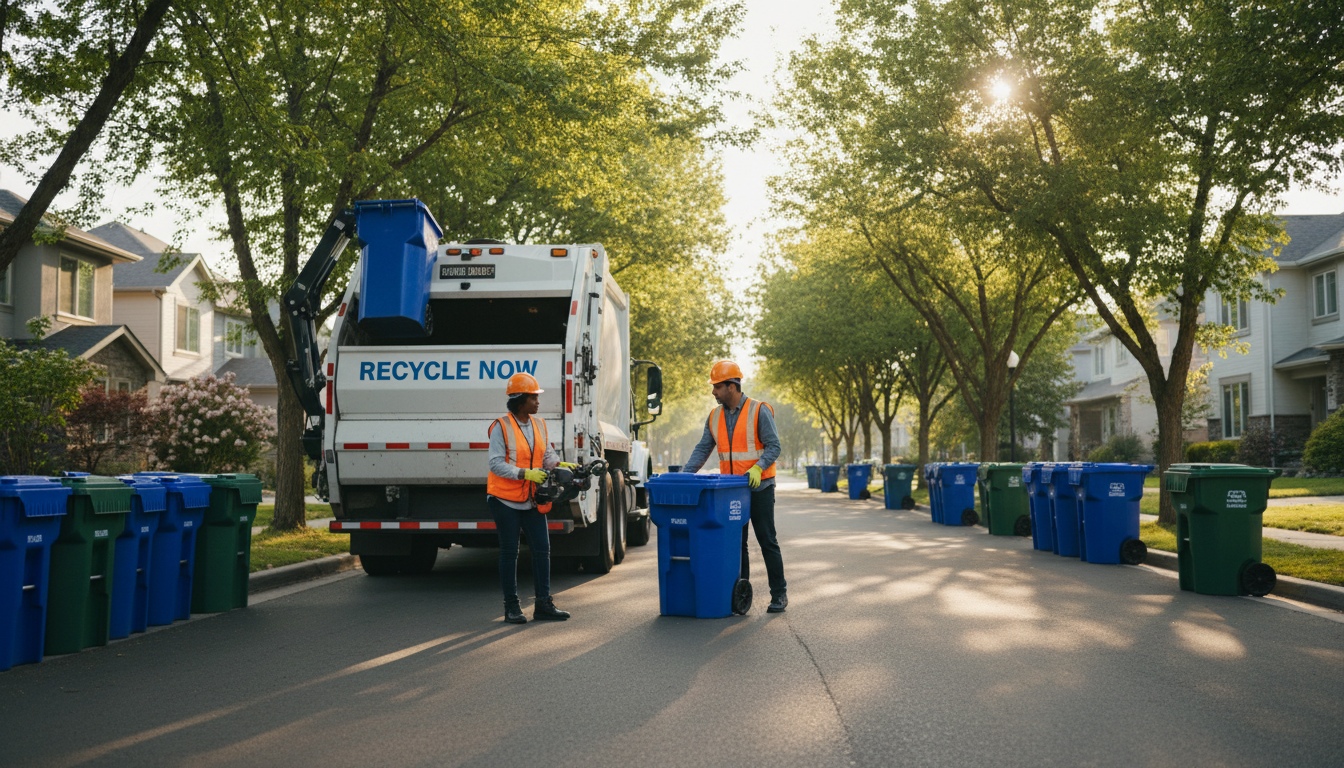
When you place a bottle in your bin, you are not just disposing of waste; you are initiating a complex industrial supply chain. The question of when you throw out recycling, what actually happens to it, is best answered by following the material through four critical stages. The process begins with collection in Fillmore, where our team utilizes organized routing to consolidate residential and commercial materials. Unlike general waste, these items are handled as commodities that require proper recycling handling to maintain their market value.
Once the truck leaves your curb, the materials are transported to a facility for secondary sorting. Here, the items are separated into distinct material streams. For recycling to remain economically viable in Utah, the output must meet strict industry standards for purity. Regional manufacturers and mills will only purchase recycled feedstock if it is free of contaminants like food waste or non-recyclable plastics. This is why we focus on the Big 5 materials that currently have the most robust and consistent markets in our state:
Plastics #1 (PET) and #2 (HDPE), such as water bottles and milk jugs
Corrugated cardboard
Mixed paper and newsprint
Aluminum cans
Steel and tin cans
After sorting, these materials are compressed into high density bales. These bales act as the final product of the collection process and the raw material for the next. They are sold to manufacturers who break them down to create new goods. For instance, aluminum has a nearly infinite lifecycle; a can collected in Millard County can be processed, melted, and returned to a store shelf as a new container in as little as 60 days. Cardboard is similarly efficient, often being pulped and pressed into new shipping materials.
The success of this journey depends on the quality of the material at the start. If a bale of cardboard contains unrinsed containers or greasy liners, a manufacturer may reject the entire load. By providing dependable recycling services that emphasize quality at the source, we ensure that the answer to does my recycling actually get recycled remains a definitive yes. The journey from your curb to a new product is a precise logistical loop that relies on clean materials to stay operational.
Common Recycling Myths vs Facts for Fillmore Residents
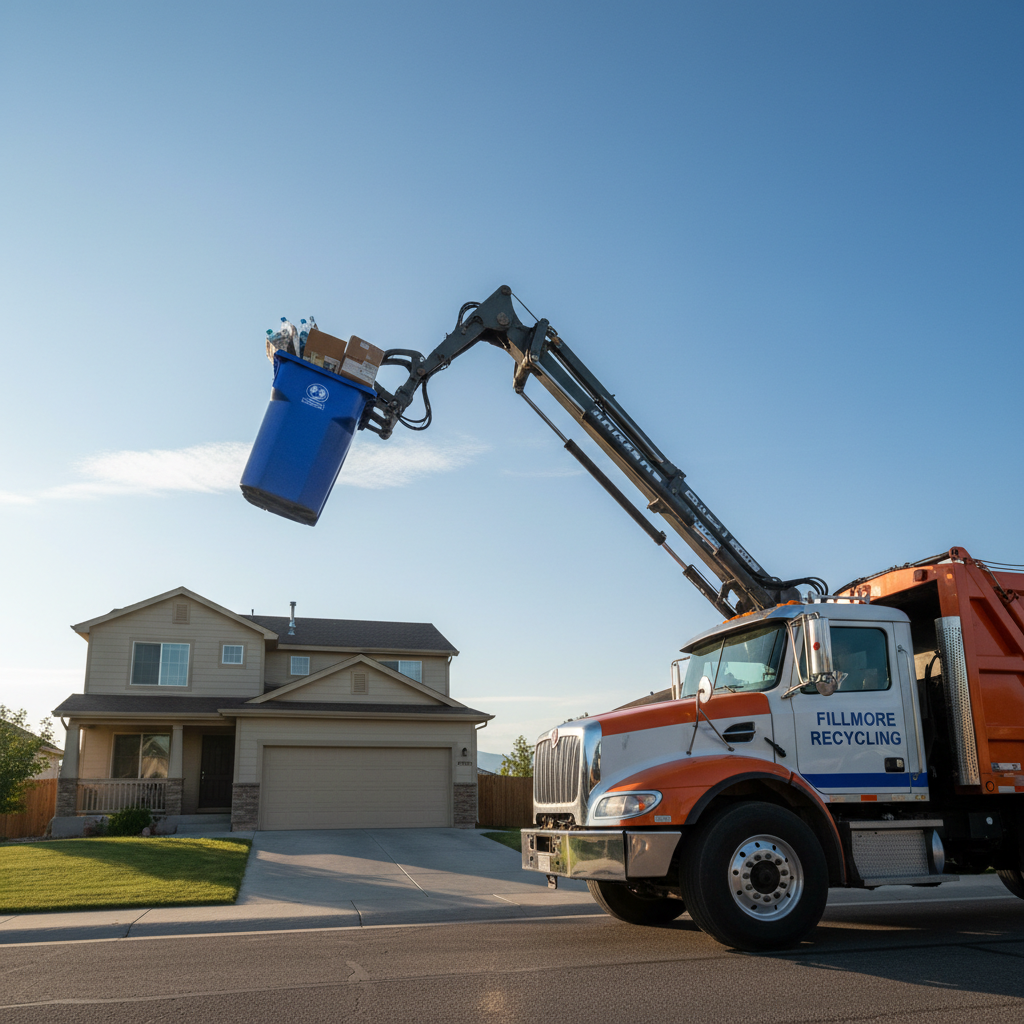
The concern regarding does my recycling actually get recycled often stems from persistent myths that confuse the process for Fillmore residents. When misinformation circulates, it can lead to discouraged habits or, conversely, accidental contamination of the waste stream. To maintain dependable recycling services in Millard County, it is important to separate common misconceptions from the operational realities of our local facility.
Myth | Fact |
|---|---|
Any item with a "chasing arrows" symbol is recyclable. | The symbol only identifies the plastic resin type; local programs only accept specific items like plastics #1 and #2. |
Recycling uses more energy than extracting raw materials. | Processing recycled materials is significantly more efficient; aluminum recycling saves 95 percent of the energy required for virgin production. |
All recycling eventually ends up in the landfill anyway. | Only heavily contaminated loads that cannot be sorted are landfilled; clean, properly sorted materials are sold as commodities. |
A common misunderstanding involves the numerical symbol on plastic containers. Many residents assume that any item marked with a triangle belongs in the bin. However, that symbol is a resin identification code for manufacturers, not a guarantee of local recyclability. In rural Utah, the market demand for certain specialty plastics is low, meaning that tossing non-accepted items into the bin actually hinders the efficiency of proper recycling handling for the materials that do have value.
Energy conservation is another area where facts often get lost. Critics sometimes point to the fuel used by collection trucks as a net negative. In reality, the energy saved by skipping the mining, refining, and smelting phases for metals and glass far outweighs the transport costs. This is why we focus on high-impact materials like aluminum and cardboard. If you have questions about specific items not listed in our standard guides, you can contact Millard Recycling to verify before you toss them. By debunking these myths, we ensure the local system remains a viable tool for community waste reduction.
The Contamination Crisis: Why Your Sorting Habits Determine the Outcome
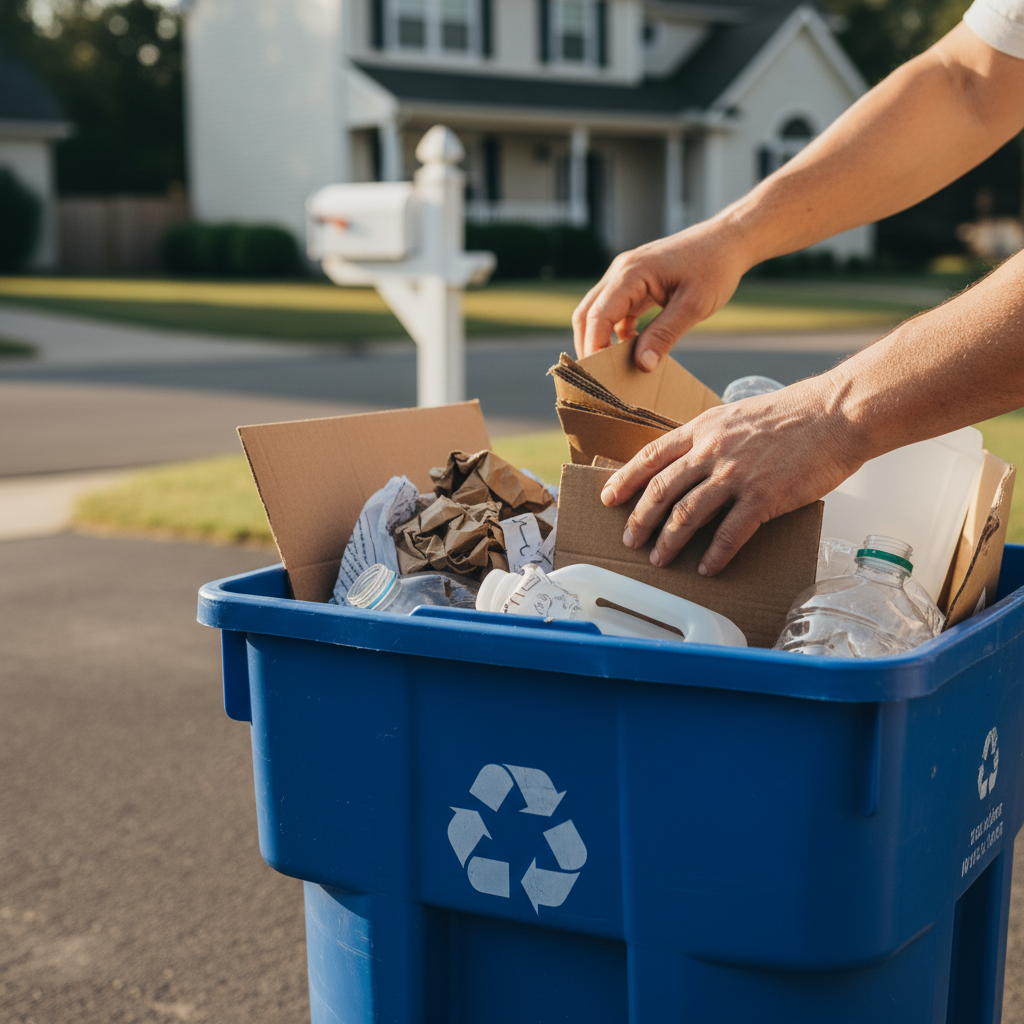
While debunking myths is essential, the most significant factor in ensuring your materials are processed is preventing contamination. Many residents engage in "wishcycling," which is the practice of placing non-recyclable items in the bin with the hope that they will be sorted out eventually. This well-intentioned habit often backfires by sabotaging the entire collection load. To maintain dependable recycling services in Fillmore, we rely on the industry standard of "Empty, Clean, and Dry."
Contamination occurs when food waste or liquids mix with high-value materials like cardboard and paper. A single unrinsed milk jug can leak during transit, soaking hundreds of pounds of newsprint and making the paper unmarketable. Similarly, greasy pizza boxes are a primary culprit; while clean cardboard is valuable, oils from cheese and sauce contaminate the pulp fibers during the repulping process. When the level of residue is too high, it leads to load rejection at the regional refining facility. In these cases, the answer to does my recycling actually get recycled becomes a negative, simply because the quality fell below manufacturing standards. Practicing proper recycling handling means verifying that every item is free of debris and moisture before it leaves your home. If you are ever unsure about a specific container, you can contact Millard Recycling to ensure your efforts result in successful resource recovery.
Is Recycling Worth It? The Local Impact in Millard County
Questioning if the effort is worth it often leads back to the core concern: does my recycling actually get recycled? In Millard County, the value is found in the direct impact on our local environment and economy. Every ton of cardboard or aluminum diverted through our dependable recycling services extends the operational life of our local landfill. This reduction in the landfill footprint saves the community from the massive infrastructure costs associated with expanding waste sites or hauling trash over even longer distances.
Maintaining the pristine beauty of the Utah landscape requires a systemic approach to proper recycling handling. By choosing to recycle, residents help conserve raw materials that would otherwise be extracted through mining or industrial harvesting. Millard Recycling supports these goals by providing accessible, community centered solutions that foster long term environmental responsibility. This local commitment ensures that our mountains and high deserts remain clean for future generations. If you want to learn more about how your household or business can contribute to these local benefits, contact Millard Recycling to discuss our current collection schedules and material requirements.
Understanding the reality of recycling in rural Utah ensures your efforts truly make a difference for our local environment. While individual sorting is a vital first step, navigating the complexities of infrastructure and commodity markets can be difficult on your own. If you want expert help streamlining your process, you can read more about our team and our dedication to local sustainability. Together, we can build a cleaner future for Fillmore by turning everyday waste into valuable, reusable resources.