Residents and businesses can access e-waste recycling Fillmore Utah by utilizing local collection points and certified recycling partners that employ advanced AI sorting technologies. To ensure a safe disposal process in 2026, users should delete all personal data from devices before dropping them off at designated retail locations or municipal centers. These programs help recover valuable materials while preventing hazardous substances from entering the environment.
Is your storage room or garage slowly becoming a graveyard for outdated laptops, tangled power cords, and obsolete monitors? For homeowners and business managers in Fillmore, the challenge of managing electronic waste often feels like a choice between permanent clutter and environmental negligence. Improper disposal does more than just occupy space; it risks leaching toxins into our local Utah soil and leaves sensitive digital information vulnerable to recovery. At Millard Recycling, we recognize that professional e-waste management is a critical responsibility in 2026. This guide offers a practical roadmap for navigating the disposal process within Millard County. You will discover which electronics are eligible for recycling, how to execute proper data destruction protocols, and the specific logistical solutions available for local organizations to maintain environmental compliance.
The Growing Need for Responsible Electronics Disposal in Fillmore
Electronic waste, or e-waste, is currently the fastest-growing waste stream in the global economy. In Millard County, the rapid turnover of smartphones, tablets, and office hardware has reached a critical point where traditional disposal methods are no longer sufficient. As the local authority on e-waste recycling Fillmore Utah, Millard Recycling provides the specialized handling necessary to manage these complex materials.
Most modern devices are composed of a dense mix of valuable resources, such as gold and copper, alongside hazardous toxins like lead and mercury. If these items are discarded in a standard landfill, they pose a significant risk to the surrounding environment. Specialized processing is required to safely dismantle components and recover raw materials. This ensures that the metals are returned to the manufacturing supply chain rather than left to leach into the ground.
Looking toward 2026, a proactive approach to electronics disposal is vital. Evolving state regulations and advancements in recovery technologies are changing how we view discarded tech. By utilizing dependable recycling services, Fillmore residents and businesses can navigate these changing industry standards. Preparing for the regulatory landscape of 2026 ensures that our community remains a leader in environmental responsibility while keeping hazardous materials out of the local water table and soil.
Recycling Industry Trends: What to Expect in 2026
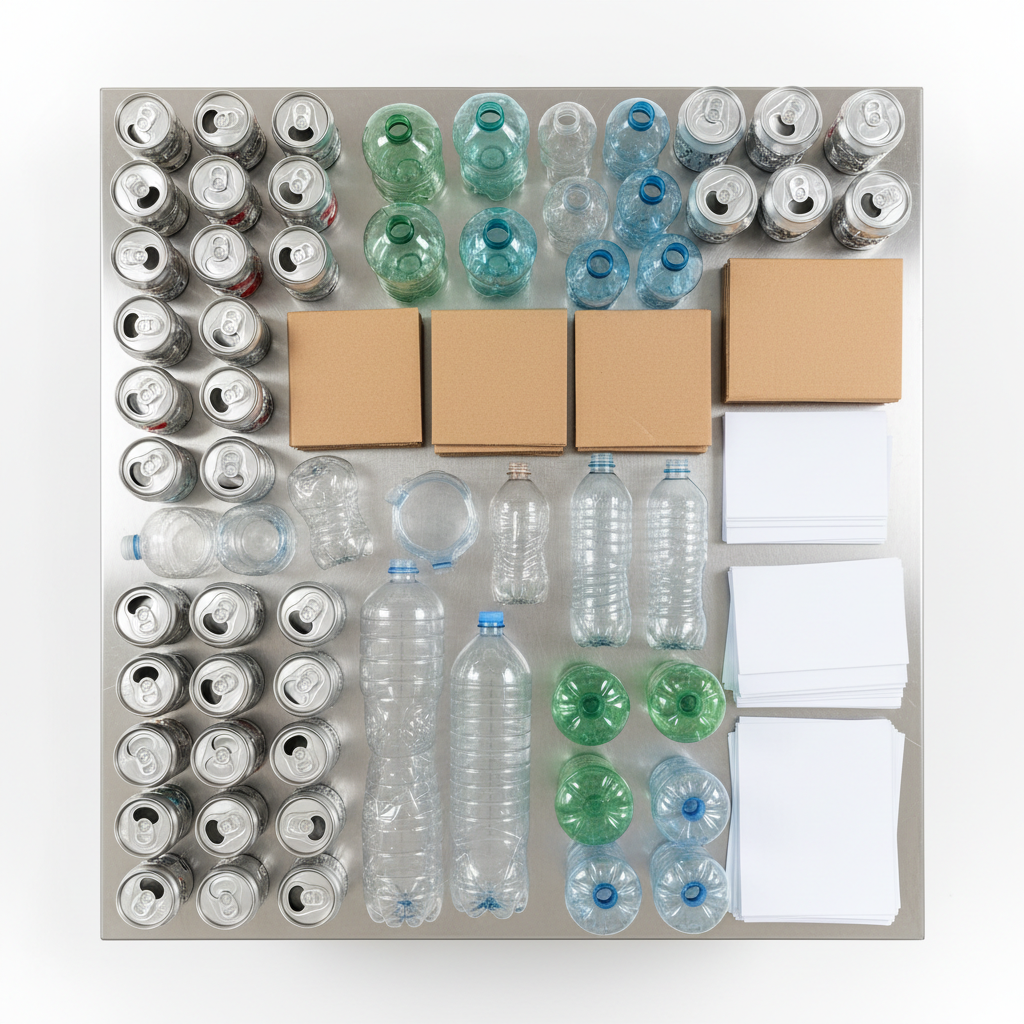
By 2026, the technology used to process e-waste is expected to shift toward high precision AI and robotic sorting. Traditional mechanical shredding often results in the loss of delicate rare earth metals, but modern facilities are increasingly integrating computer vision systems to identify specific components. These AI driven sensors can distinguish between different types of high grade plastics and specific metallic alloys in real time. This level of precision allows for the recovery of critical materials like neodymium and dysprosium with far greater purity than previous standards allowed.
Global policy is also moving toward a circular economy model. This framework shifts the burden of waste management toward extended producer responsibility, where manufacturers are held accountable for the entire lifecycle of their products. As these regulations tighten, devices arriving at e-waste recycling Fillmore Utah facilities will likely be designed for easier disassembly. This shift helps reduce the volume of unusable residue and ensures that a higher percentage of every smartphone or laptop is successfully repurposed into new manufacturing streams.
These global innovations have a direct, practical impact on Millard County. Enhanced recovery rates for precious metals, particularly gold and copper found in circuit boards, mean that fewer raw materials need to be extracted through destructive mining processes. By leveraging modern equipment and efficient collection methods, Millard Recycling can ensure these valuable resources are returned to the supply chain. Residents and businesses benefit from this increased efficiency, as it supports more sustainable and dependable recycling services for the community. If you have questions about how these technological shifts affect your specific hardware, you can review our frequently asked questions for detailed guidance.
Accepted vs. Prohibited: What Can Be Recycled in Millard County
Sorting your unwanted technology is the first practical step toward responsible disposal. Because most modern devices are composed largely of high grade metals, they are exceptionally well suited for recovery through the modern equipment we utilize. In Millard County, our systems are designed to process a wide range of hardware used by both residents and professional offices.
Accepted items for e-waste recycling Fillmore Utah include: - Computing Hardware: Desktop towers, laptops, and tablets. - Mobile Devices: Smartphones and older cellular phones. - Office Equipment: Printers, copiers, fax machines, and scanners. - Peripheral Gear: Keyboards, mice, external hard drives, and docking stations.
A frequent point of confusion involves display screens. We distinguish between older Cathode Ray Tube (CRT) units and modern Flat Panel Displays, such as LED or LCD screens. CRT monitors contain significant amounts of leaded glass, requiring specialized environmental handling compared to the more common plastic and circuit board components found in modern LED screens. Both are generally accepted, but they undergo different processing paths to ensure compliance with safety standards.
Category | Accepted Items | Processing Focus |
|---|---|---|
Standard E-Waste | Computers, Tablets, Phones | High metal recovery potential |
Visual Displays | LED & LCD Monitors, CRT TVs | Leaded glass management for CRTs |
Office Tech | Printers, Scanners, Servers | Complex component separation |
Certain items remain strictly prohibited due to safety risks for our staff and equipment. We cannot accept devices that contain biohazards, medical waste, or smoke detectors containing radioactive materials. Furthermore, leaking or severely damaged batteries must be handled through specialized hazardous waste channels, as they pose a fire risk during transport and processing. If you are unsure about a specific item, you can consult our frequently asked questions for further clarification on material restrictions. By adhering to these guidelines, you help us maintain dependable recycling services that protect both the community and the environment.
Data Security Protocol: How to Wipe Your Devices Before Disposal

Before you deliver accepted devices for e-waste recycling Fillmore Utah, you must address the sensitive information stored on their internal drives. Many users assume that dragging files to the trash or hitting delete is sufficient storage management. However, these actions only remove the file path, leaving the actual data retrievable by basic recovery software.
For traditional hard drives, we recommend using data wiping software that meets NIST 800-88 standards. This specialized process overwrites every sector of the drive with random patterns, ensuring that previous information is unrecoverable. For solid state drives (SSDs) and modern smartphones, a full factory reset is usually required. This process often triggers a cryptographic erase, which destroys the encryption key used to protect your stored data, rendering the files useless.
A common concern among residents is whether it is truly necessary to wipe a cell phone before disposal. The answer is a firm yes. Modern smartphones serve as repositories for banking credentials, private photos, and saved passwords. Identity theft frequently occurs through hardware discarded in standard waste streams or left in unsecured collection points. Local residents can maintain their privacy by following this pre-disposal checklist:
Backup: Sync your photos and documents to a secure cloud service or an external drive.
Sign Out: Manually log out of Apple IDs, Google Accounts, and specialized apps to de-register the hardware from your profile.
Unpair: Disconnect Bluetooth devices like smartwatches or earbuds.
Secure Wipe: Execute a Factory Data Reset or use a reputable wiping utility for a secure format.
By taking these practical steps, you ensure that your participation in our dependable recycling services remains focused on environmental recovery without compromising your personal security. If you have questions about specific software for older operating systems, you can review our frequently asked questions for further guidance.
E-Waste Management for Fillmore Businesses and Organizations

For local enterprises, managing outdated technology requires a more structured approach than residential disposal. Effective asset management begins with a comprehensive electronics inventory. Businesses should document the type, quantity, and serial numbers of all decommissioned hardware. This practice not only aids in financial depreciation tracking but also ensures that every piece of equipment is accounted for throughout the disposal chain. Once inventoried, establishing a formal collection point within your facility, such as a secure, climate controlled storage area, prevents hazardous materials from accumulating in high traffic workspaces where they might be damaged or improperly handled.
Compliance with state recycling legislation is a growing priority as we approach 2026. Utah’s regulatory framework is increasingly focused on commercial waste streams, requiring businesses to demonstrate that electronics are diverted from landfills. Engaging in professional e-waste recycling Fillmore Utah allows organizations to meet these environmental mandates with documented proof of responsible handling. This level of oversight is essential for businesses looking to maintain a clean workspace while upholding their corporate environmental responsibility goals.
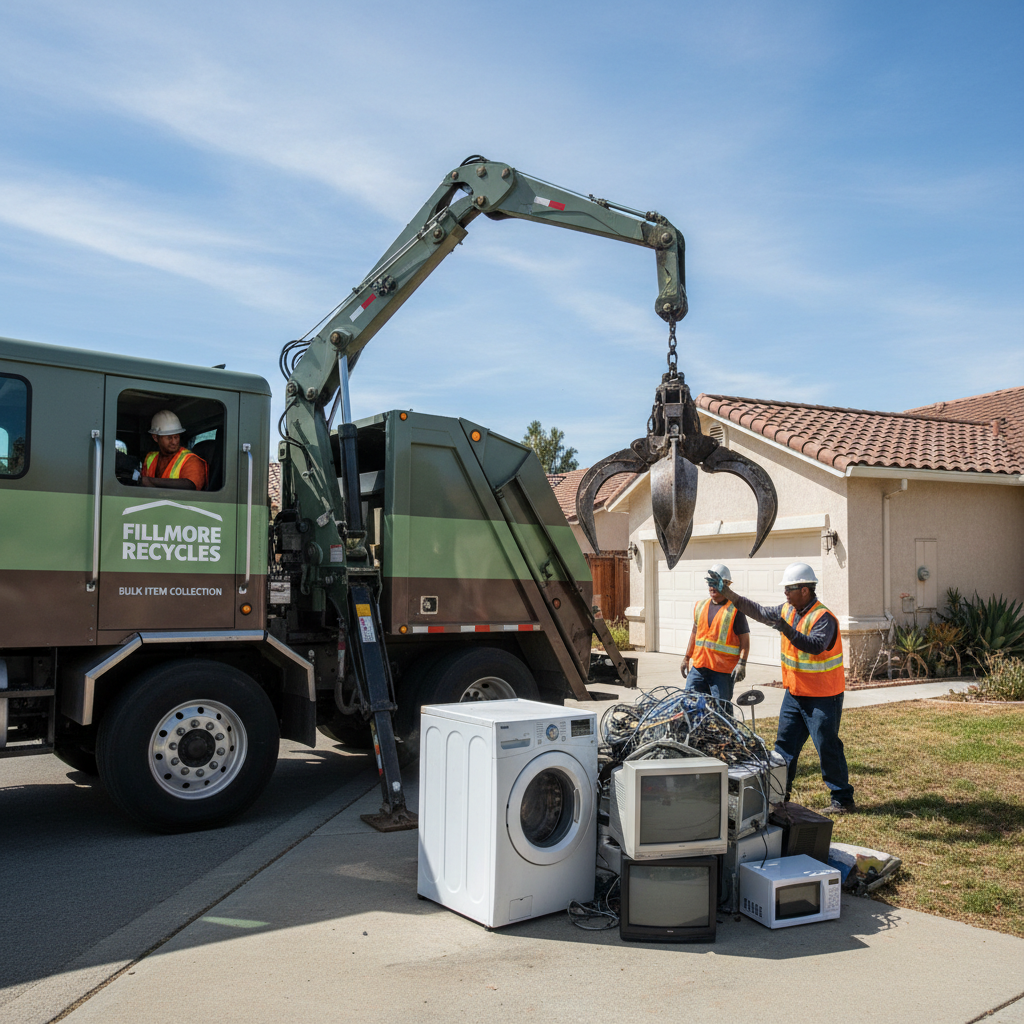
Millard Recycling supports these efforts through organized routing and scheduled pickups designed specifically for commercial volumes. By integrating our dependable recycling services into your operational workflow, you can eliminate the logistical burden of transporting heavy office equipment. This systematic approach ensures that valuable resources like copper and high grade plastics are recovered efficiently using modern equipment. To coordinate a pickup or discuss specific inventory needs for your organization, you can contact Millard Recycling directly. If you have concerns regarding bulk hardware handling or specific device categories, our frequently asked questions provide additional technical guidance for business managers.
Environmental Impact: Protecting the Utah Landscape

The motivation for implementing structured disposal protocols extends beyond simple compliance; it is rooted in the preservation of the unique Utah landscape. Every device diverted from a landfill significantly offsets the massive energy requirements associated with new manufacturing. For instance, recycling one million laptops saves an amount of energy equivalent to the electricity used by 3,500 U.S. homes in a single year. By prioritizing professional e-waste recycling Fillmore Utah, you contribute to a closed loop system that reduces the need for invasive mining operations.
Beyond energy conservation, the physical protection of our local soil and water tables is a primary concern. Electronics contain concentrated heavy metals like lead and mercury that remain stable within a device but become volatile when exposed to the elements in a standard landfill. Over time, these toxins can leach into the ground, posing a long term threat to the delicate mountain ecosystems and groundwater that define the Fillmore area.
Millard Recycling utilizes environmentally conscious practices to isolate these hazardous materials, ensuring that toxic runoff never enters the local environment. Maintaining these dependable recycling services helps preserve the natural beauty and mountain views that characterize our community. If you have specific concerns about how different materials are processed to protect the landscape, you can consult our frequently asked questions for technical details on our material containment methods.
How to Schedule an E-Waste Pickup or Drop-Off with Millard Recycling
Coordinating your e-waste recycling Fillmore Utah starts with choosing between our central drop-off location or a scheduled collection. For residential customers, our modern equipment and organized routing allow for efficient pickups that fit into your local schedule without disrupting your daily routine. This logistical efficiency ensures that electronic components are moved quickly from your home to a secure processing environment.
Local businesses can contact Millard Recycling to establish a recurring pickup frequency, ensuring that outdated hardware never accumulates to the point of becoming a safety hazard or a storage burden. Many residents inquire about free electronic recycling options. While some retailers offer limited drop-off bins, professional dependable recycling services provide a higher standard of security and environmental compliance than generic alternatives.
Illegal dumping or using unverified collectors risks exposing your private data to theft and allows toxic components to enter the environment. Our process is built on transparency, offering clear documentation for organizations that must prove regulatory adherence. If you have specific questions about bulk logistics or large equipment removal, you can review our frequently asked questions for current service rates and scheduling windows.