Residents can master food waste composting Utah by recycling kitchen scraps into nutrient rich soil that supports local gardens during extreme weather cycles. This sustainable practice reduces household waste and improves soil health through simple methods like using aerated bins or freezer storage for scraps. For optimal results, beginners should avoid oily foods and meat while ensuring the pile is turned regularly.
Many residents in Fillmore find their trash bins overflowing with heavy, organic materials that often create unpleasant odors in the summer heat. This waste represents a significant missed opportunity for our local environment. When food scraps end up in a landfill, they take up valuable space and contribute to greenhouse gas emissions, yet these same materials could be enriching our own gardens. At Millard Recycling, we believe that resource management starts at home. In this guide, we will explore the practical benefits of composting within the unique constraints of Utah's high desert climate. You will learn how to reduce waste at the source, balance your compost piles for maximum efficiency, and master simple techniques like trenching to integrate composting seamlessly into your existing home recycling routine.
The Food Waste Challenge in Millard County
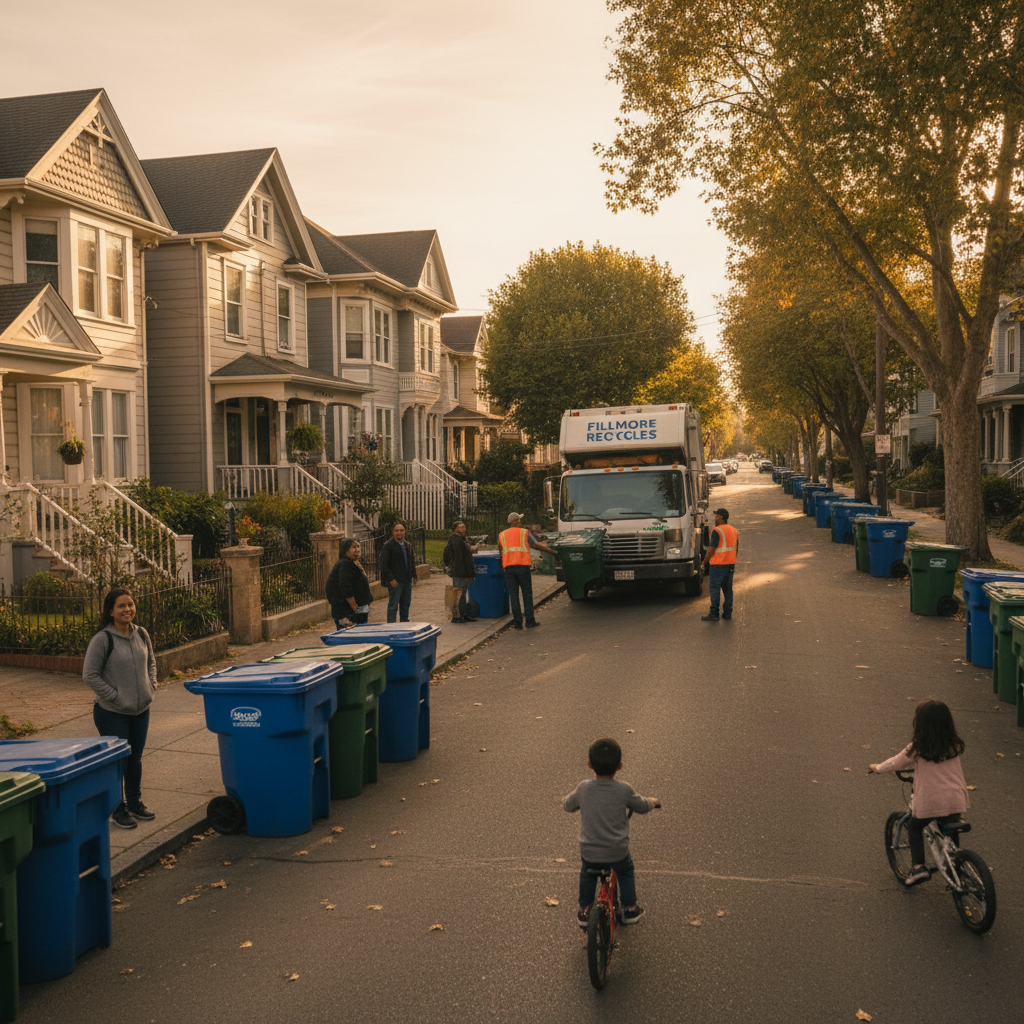
Every time a Fillmore resident tosses produce scraps or leftovers into the trash, those materials head to our local landfill. While it might seem like just a small bag of waste, organic matter accounts for a significant portion of municipal refuse. When food sits in a landfill, it is compressed under layers of trash; this prevents oxygen from reaching the material and slows decomposition. This process takes up valuable space and increases the environmental burden on our county infrastructure.
Approaching food waste composting Utah presents unique challenges compared to more humid regions. Our high desert climate in Fillmore features low humidity and intense sun, which can quickly dry out organic matter before it has a chance to break down. Understanding these local variables is essential for a successful system. Millard Recycling remains dedicated to helping our neighbors reduce their environmental footprint through effective Millard Recycling services and clear waste management strategies.
By diverting food scraps from the bin, we not only extend the life of our local disposal sites but also create a nutrient-dense resource for local gardening. Converting waste into a soil amendment is a practical way to support a cleaner, more sustainable community while improving our local soil quality.
Why Compost? Benefits for the Fillmore Environment
Fillmore soil presents specific challenges for gardeners and landscapers. Much of the land in our part of Millard County consists of heavy clay or highly alkaline soil. These conditions make it difficult for roots to penetrate and for plants to absorb essential nutrients. When you integrate finished material from food waste composting Utah programs into your yard, you are adding vital organic matter that physically breaks up clay structures. This creates a crumbly soil texture that allows roots to breathe and thrive.
In our high desert climate, water conservation is a top priority for every household. Compost acts as a natural sponge, significantly increasing the water retention capabilities of the earth. By incorporating composted material, you reduce the frequency of irrigation needed to keep your garden healthy. A soil rich in organic matter can hold several times its weight in water, which prevents the rapid evaporation common during hot Fillmore summers.
Beyond the physical benefits to your property, composting addresses a critical atmospheric issue. When food waste is buried in a landfill, it decomposes anaerobically, meaning without oxygen, which generates methane gas. Methane is a potent greenhouse gas that traps heat in the atmosphere far more effectively than carbon dioxide. By diverting these scraps through your own home system or through Millard Recycling services, you facilitate aerobic decomposition. This process yields a stable, nutrient rich fertilizer rather than harmful gases, directly contributing to a cleaner, more stable local environment.
5 Steps to Reduce Food Waste Before You Even Start Composting
Before shifting focus to disposal methods, it is more efficient to prevent excess material from entering the waste stream. In Fillmore, efficient waste management starts in the kitchen. By following these specific steps, you can minimize the volume of organic matter you need to handle through food waste composting Utah techniques later on.
Shop Your Pantry First: Before heading to the store, audit your current inventory. Look behind larger items for grains, canned goods, or spices that are already available. This prevents unnecessary purchases and ensures older stock is used before it spoils.
Create a Realistic Meal Plan: Coordinate your shopping list with a specific schedule for the week. Only buy ingredients for the meals you have committed to cooking. This reduces the likelihood of fresh vegetables wilting in the refrigerator because they lacked a designated purpose.
Decipher Expiration Dates: Many residents discard perfectly good food because of confusing labels. A "best if used by" date indicates peak quality, not safety. Conversely, a "use by" date is the last day the manufacturer vouches for product safety. Understanding this distinction prevents premature disposal of safe food items.
Optimize Storage for Utah Humidity: Because Fillmore has extremely low humidity, produce can dehydrate rapidly. Store leafy greens in airtight containers or use the high humidity setting on your refrigerator crisper drawers. Keeping berries dry and keeping ethylene producing fruits like apples away from greens will extend their shelf life significantly.
Freeze Excess Immediately: If you realize a batch of soup or a portion of meat will not be consumed within 48 hours, move it to the freezer. This pauses the clock on spoilage and provides a convenient meal for the future.
Integrating these habits into your Home Recycling System reduces the burden on local resources and makes your Millard Recycling services even more effective by streamlining your total waste output.
Composting for Beginners: The Greens and Browns Balance
Successful food waste composting Utah relies on a biological balance between nitrogen and carbon. Think of your compost pile as a living ecosystem where microorganisms break down organic matter into nutrient-dense soil. To keep these microbes healthy and active, you must provide a balanced diet of Greens and Browns.
Greens are nitrogen-rich materials that provide the protein necessary for microbial growth. These include common kitchen leftovers like vegetable peels, fruit cores, and coffee grounds. Browns, on the other hand, are carbon-rich materials that provide the energy for the decomposition process. In Millard County, residents have excellent access to browns. Because Fillmore has many agricultural properties, you can easily source local straw, dried corn stalks, or fallen leaves to serve as your carbon base. Shredded, non-glossy cardboard is another effective brown that fits perfectly into a comprehensive Home Recycling System.
The key to a trouble-free pile is the ratio. For beginners, a ratio of three parts browns to one part greens is ideal. Maintaining this 3:1 balance ensures the pile stays aerobic and odor-free. When you add a bucket of nitrogen-rich food scraps, cover them with three buckets of straw or dry yard waste. This high volume of carbon-rich material creates air pockets and absorbs excess moisture, preventing the anaerobic conditions that cause unpleasant smells. Properly managing this balance is a foundational step in utilizing Millard Recycling services and home-based methods to reduce your household's environmental impact.
Managing Your Compost in Utah's Dry High Desert Climate
In Fillmore, the primary obstacle for successful food waste composting Utah is our extremely low humidity. While traditional composting guides often assume a damp environment, Utah’s intense sun and dry winds can quickly turn a productive pile into a dormant heap of dry organic matter. Microbes require moisture to stay active; without it, the decomposition process simply stops.
To combat rapid evaporation, site your compost bin in a permanent shaded area. Placing your system on the north side of a shed or under a dense tree canopy prevents the afternoon sun from baking the moisture out of the materials. You should treat water as a required ingredient rather than an occasional additive. When adding dry browns or turning the pile, sprinkle it with water until the material reaches the consistency of a wrung-out sponge. If the scraps feel crunchy or look dusty, the biological process has stalled.
Method | Benefit in High Desert | Practical Tip |
|---|---|---|
Shaded Surface Bin | Reduces direct sun exposure | Use a bin with a solid lid to trap humidity. |
Trench Composting | Uses soil as natural insulation | Dig 12 inches deep to keep scraps cool and moist. |
Insulated Bins | Retains internal heat and moisture | Thick walls protect microbes from temperature swings. |
Even in a dry climate, you must turn the pile regularly. Aeration is essential to prevent the center from becoming compacted, which can happen if you are adding water frequently to compensate for the heat. Turning the pile every two weeks ensures oxygen reaches the microbes, keeping the process efficient and odor-free. By adjusting these Millard Recycling services principles for our local climate, you ensure your household waste turns into garden-ready soil rather than just dried debris.
The Laziest Way to Compost: The Freezer and Trench Methods
While maintaining a traditional bin in the high desert requires consistent attention to moisture levels, many residents prefer a more hands-off approach. If you are looking for the laziest way to compost, two specific methods stand out for their simplicity and effectiveness in our climate: the freezer method and trench composting.
The freezer method solves the most common complaints regarding food waste composting Utah households face, such as odors and pests. By keeping a dedicated bag or container in your freezer, you stop the decomposition process immediately. This eliminates the risk of fruit flies or unpleasant smells in your kitchen, which is especially helpful during hot Fillmore summers. Once the container is full, you simply empty the frozen contents into your outdoor system or burial site once a week.
Trench composting is the ultimate low-maintenance strategy for those who want to improve their soil without managing a bulky bin. This technique involves digging a hole approximately 12 inches deep in an unused garden spot, dropping in your scraps, and covering them back up with soil. The earth acts as a natural insulator and odor barrier, keeping the material moist and inaccessible to local scavengers. This method integrates seamlessly into a Home Recycling System by providing a simple alternative to labor-intensive piles.
What Food Scraps Should You Avoid Composting?
While methods like trenching simplify the process, success in food waste composting Utah also depends on what you leave out of the pile. In a rural environment like Fillmore, certain organic materials can cause significant problems if introduced to a home system. You must strictly avoid adding meat, dairy products, fats, oils, and pet waste to your bin or trench. These items do not break down efficiently in backyard piles and, more importantly, they create strong odors that act as beacons for local wildlife.
Raccoons and rodents are common in our area, and they will quickly tear apart a compost setup to reach grease or animal proteins. High-volume industrial facilities sometimes process these materials using specialized high-heat technology, but home systems in Millard County rarely reach the sustained temperatures necessary to kill pathogens or deter scavengers. Sticking to plant-based scraps ensures your Home Recycling System remains safe and odor-free. If you are unsure about a specific item, consult our guide on What Can be Recycled in Fillmore Utah to keep your waste stream clean and manageable.
Integrating Composting into Your Home Recycling System
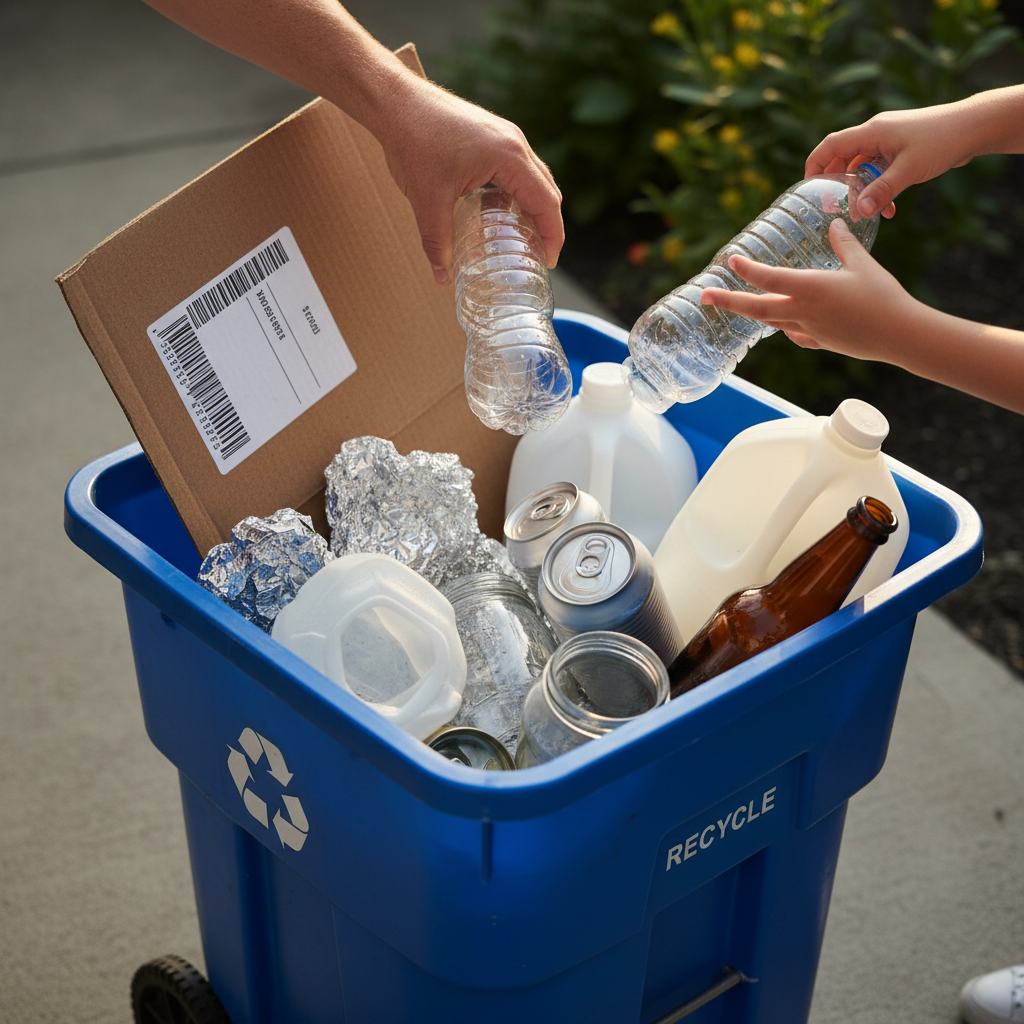
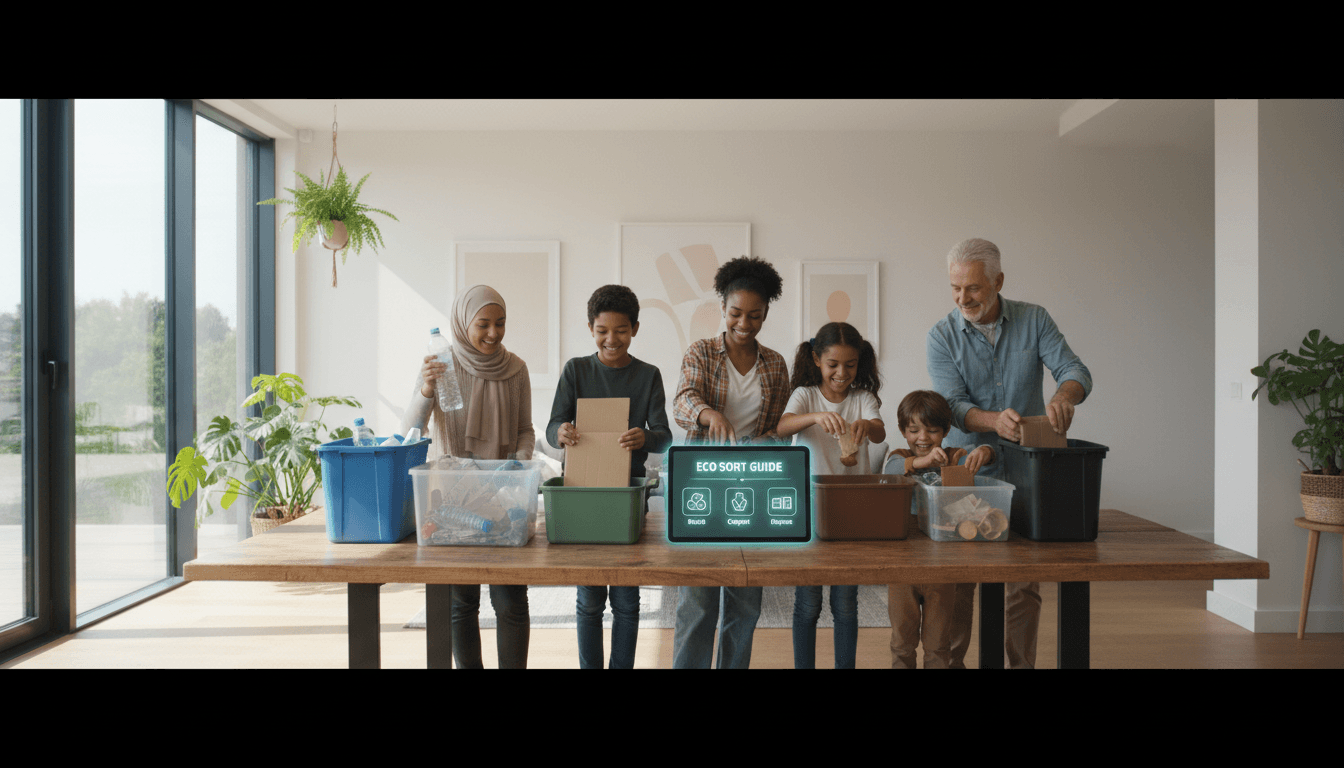
Establishing a functional Home Recycling System involves more than just sorting bins; it requires a strategy for handling different waste streams concurrently. By separating organics for food waste composting Utah residents significantly improve the quality of their dry recyclables. When food residue is kept out of the general waste stream, cardboard and paper remain clean and dry. This is critical for Millard Recycling services because moisture and grease from food can contaminate entire loads of fiber, rendering them unprocessable according to industry standards.
Think of composting as one essential pillar of a zero waste Fillmore household. While you rely on professional collection for items like plastics and aluminum, composting allows you to process a large portion of your waste on your own property. This dual approach reduces the weight of your weekly trash and minimizes the frequency of trips to disposal sites. For a deeper look at managing non-organic materials, see our detailed guide on What Can be Recycled in Fillmore Utah. Adopting this comprehensive view ensures that every resource, from a cereal box to a potato peel, is diverted toward its most productive secondary use.