Effective recycling for kids how to teach children to recycle at home involves using interactive sorting games, creative DIY crafts, and clearly labeled, colorful bins. Parents should model sustainable habits daily and use educational books or songs to make the learning process fun and memorable for the entire family.
Many parents in Fillmore find that despite their best efforts, household waste continues to pile up while their children remain disengaged from the recycling process. It is frustrating to watch potential recyclables end up in the trash simply because the system feels too complex for younger family members to follow. As experts in local waste management, Millard Recycling understands that environmental stewardship starts at the kitchen bin; it requires a practical framework that translates industrial standards into simple, daily actions. This article provides a clear roadmap for teaching your children the 5 R’s through age appropriate language and engaging activities. We will explore how to design a functional home sorting station, identify common items that should never enter the bin, and foster long term sustainability habits that respect the unique landscape of Millard County.
The Importance of Recycling for Kids in Millard County
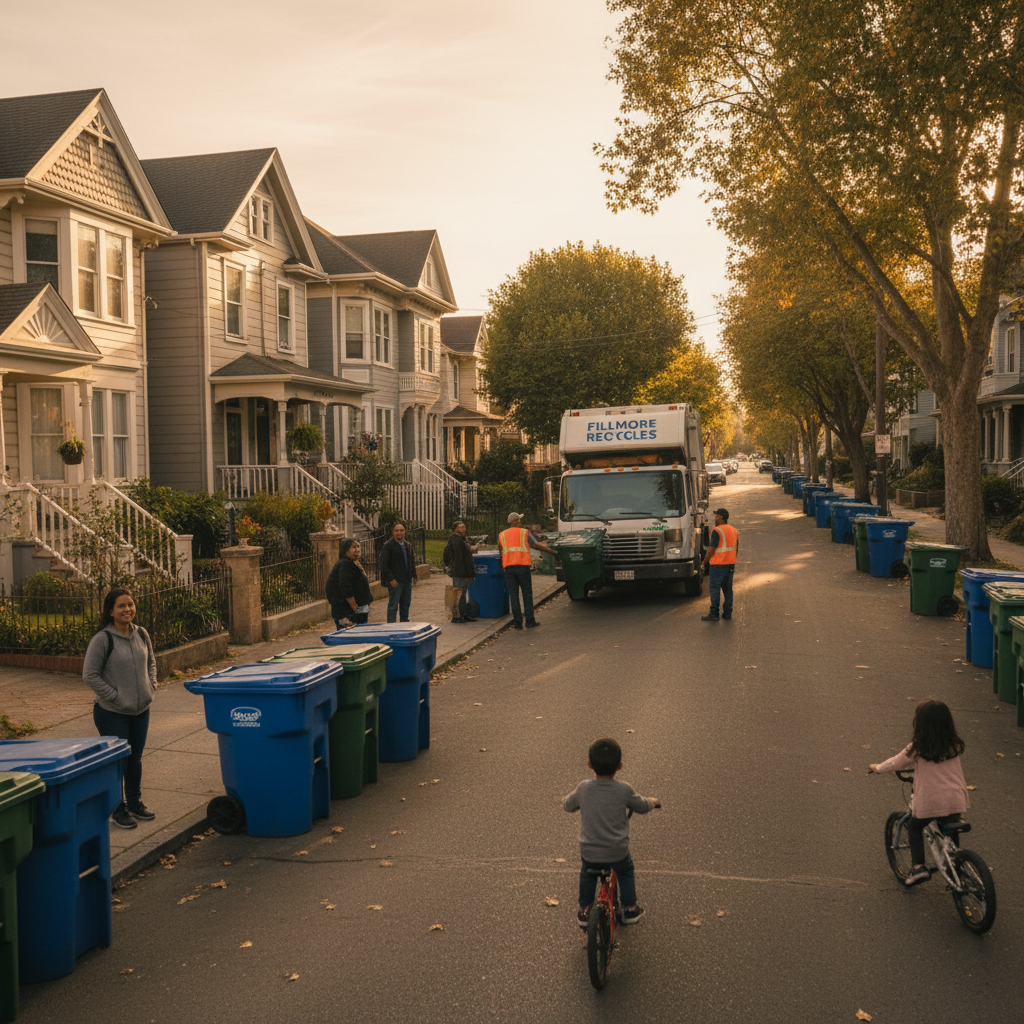
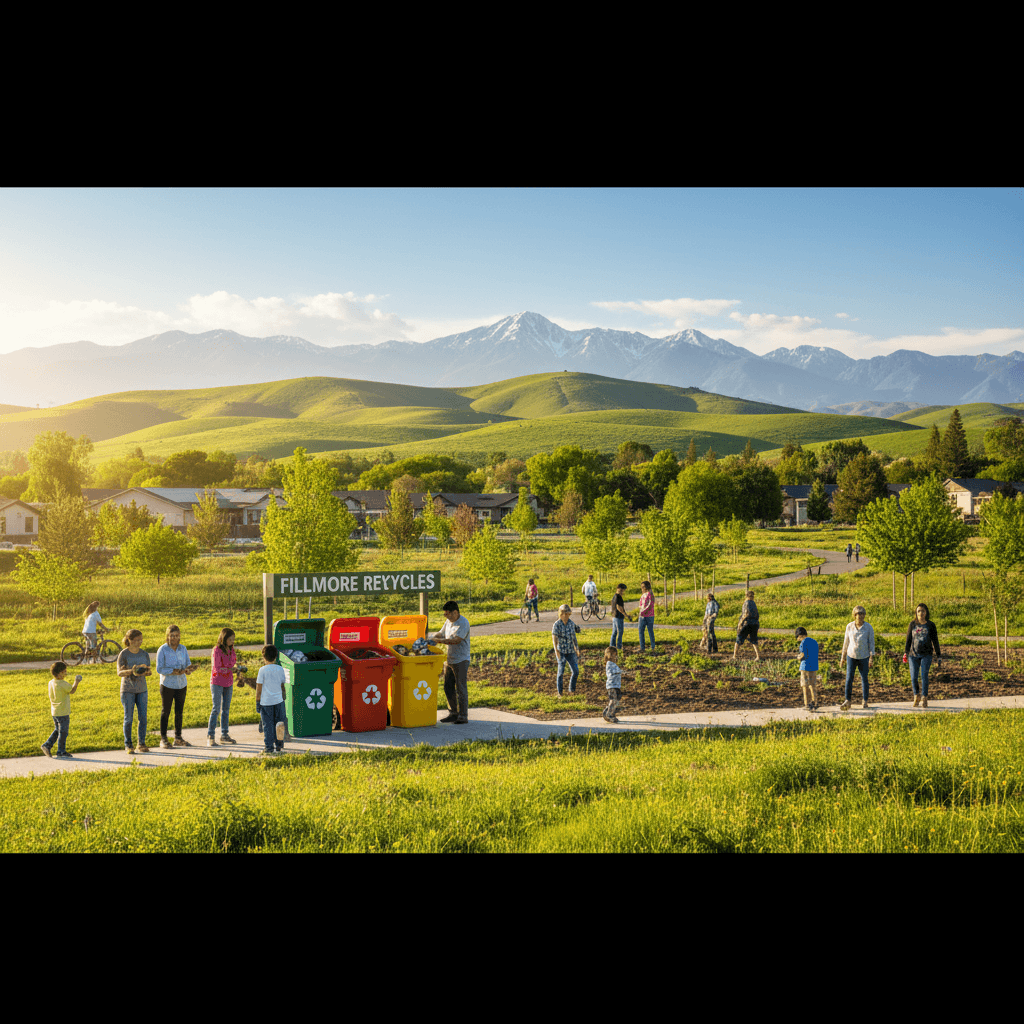
Living in Fillmore provides a unique perspective on the natural world, with the Pahvant Range and vast open spaces defining the local landscape. For families in rural Utah, environmental stewardship is not an abstract concept; it is a practical necessity for preserving the mountains and fields that children see every day. Teaching the next generation to value these resources starts with small, consistent actions within the household.
Why is it important for children to learn about recycling? Early education in waste management builds a foundation for long-term resource conservation and community health. When kids understand that materials can be processed and reused, they begin to see trash as a potential resource rather than just clutter. This mindset reduces the strain on local landfills and helps keep the air and soil of Millard County clean. Discussing recycling for kids how to teach children to recycle at home effectively begins by connecting the blue bin to the health of the local ecosystem.
Millard Recycling acts as a dedicated partner in this mission by providing dependable recycling services that simplify the process for residents. By utilizing organized routing and modern equipment, the company ensures that the efforts made by families at home translate into professional environmental impact. Setting these standards early prepares children to be responsible, informed members of the Fillmore community.
How to Teach Children to Recycle at Home: The 5 R's Simplified
The traditional three R’s (Reduce, Reuse, Recycle) have evolved into a more comprehensive framework known as the 5 R’s. This system provides a clear roadmap for recycling for kids how to teach children to recycle at home by addressing waste before it even enters the household. By using simple analogies, parents can explain that these steps are about giving trash a second life or stopping waste from ever starting.
Refuse: Teach children to say "no thank you" to items that quickly become trash. In Fillmore, this might mean skipping a single-use plastic straw when grabbing a drink for a picnic at the local park.
Reduce: Help kids understand that using less means wasting less. Choosing products with minimal packaging at the grocery store is a practical way to demonstrate this.
Reuse: Find a new job for an old object. An empty glass jar can become a pencil holder or a container for unique rocks found during a hike in the Pahvant Range.
Recycle: When an item can no longer be used at home, it goes to the bin to be processed. This is where dependable recycling services take over, turning old paper or metal into raw materials for new products.
Rot: This refers to composting. In a Utah lifestyle with ample backyard space, turning apple cores and vegetable peels into nutrient-rich soil for a garden is a perfect way to see nature’s own recycling process.
For families who want to dive deeper, the 7 R’s add Rethink and Repair. Rethink involves questioning if a new purchase is truly necessary, while Repair focuses on fixing a broken toy or tool instead of discarding it. These habits ensure that every item is used to its full potential before it ever reaches a Millard Recycling collection route.
Fun Recycling Games and Activities for Fillmore Families
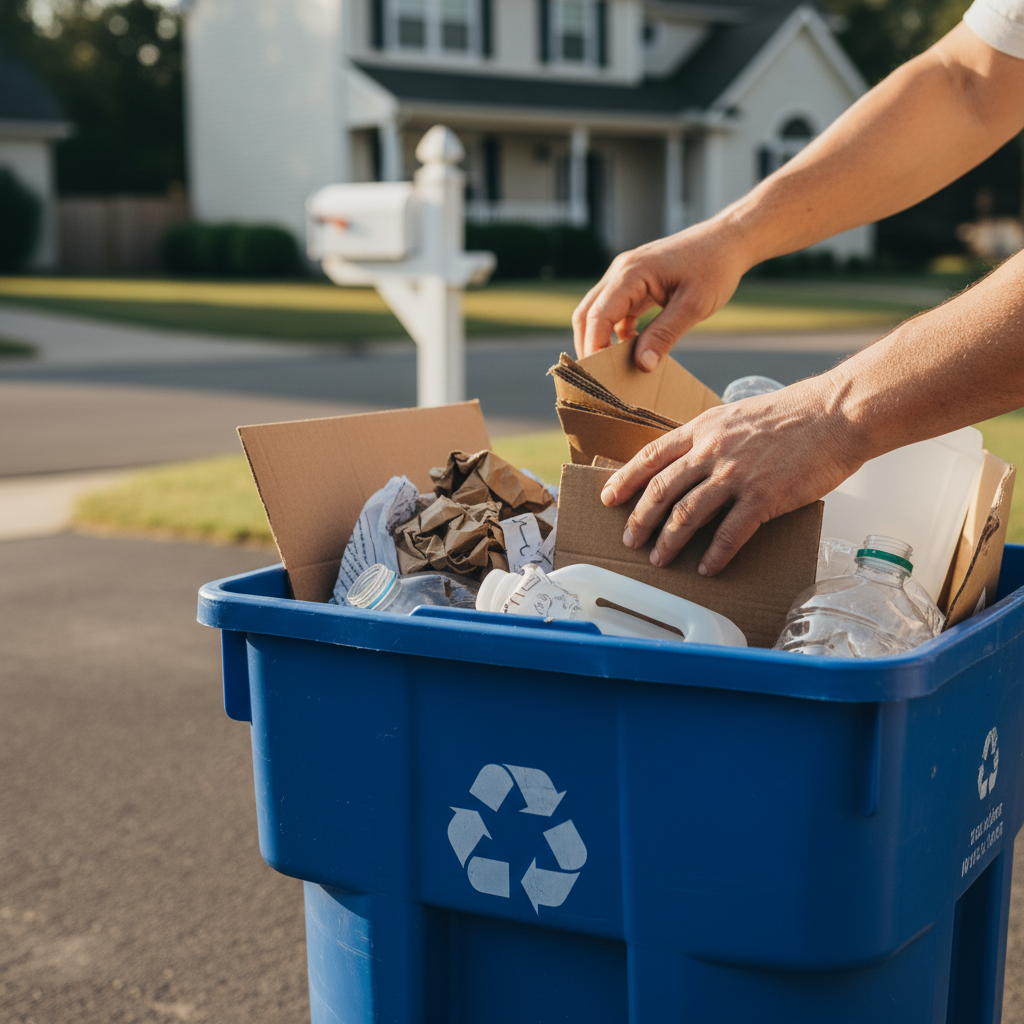
Moving from understanding the 5 R’s to active participation requires hands on engagement. In Fillmore, parents can transform household chores into interactive learning through specific recycling activities for students that make environmental stewardship feel like a reward rather than a task.
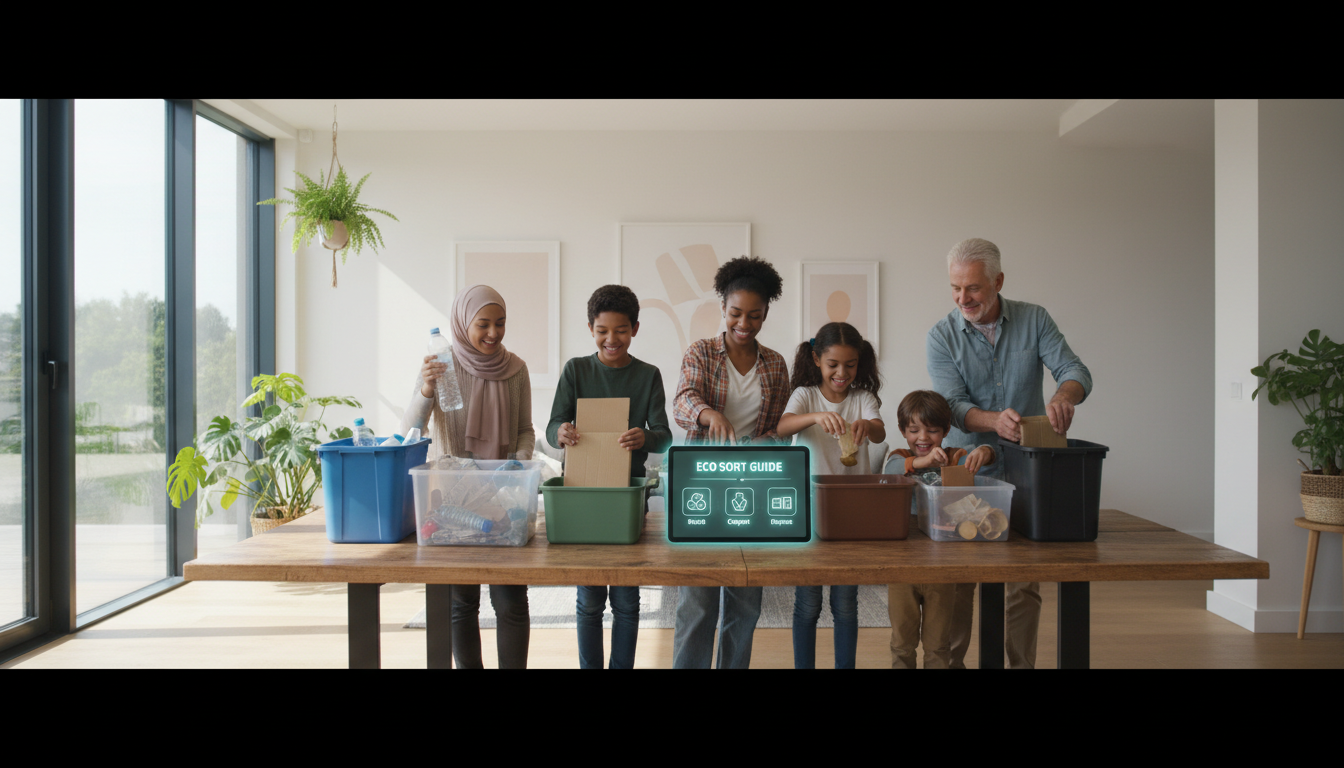
The Fillmore Sort-a-Thon Set a kitchen timer for two minutes and challenge children to sort a pile of cleaned household items. Provide three distinct bins for paper, plastic, and metal. To increase the difficulty, include a "trick" item that cannot be processed, such as a greasy pizza box or a plastic grocery bag. This game teaches kids to identify material types quickly, a skill that ensures the waste they produce is compatible with dependable recycling services. If children are unsure about a specific item, they can consult a printed list of recycling frequently asked questions to find the answer, turning a moment of confusion into a research win.
The Nature Scavenger Hunt During a family walk near Fillmore City Park, organize a scavenger hunt focused on material identification. Ask children to spot different types of waste or discarded items and categorize them by their potential for a second life. Discussing how an aluminum can differs from a fallen branch helps children distinguish between natural decomposition and the need for industrial processing. This activity reinforces the connection between personal habits and the preservation of Millard County’s public spaces.
DIY Bin Decorating Creating a personalized recycling station at home encourages ownership of the process. Use non toxic paint, stickers, or stencils to decorate the collection containers. When kids help design the labels, they are more likely to remember which bin is for mail and which is for milk jugs. These fun recycling games provide the practical foundation for recycling for kids how to teach children to recycle at home, transforming a basic utility into a central part of the family’s daily routine.
Creating an Accessible Family Recycling Station
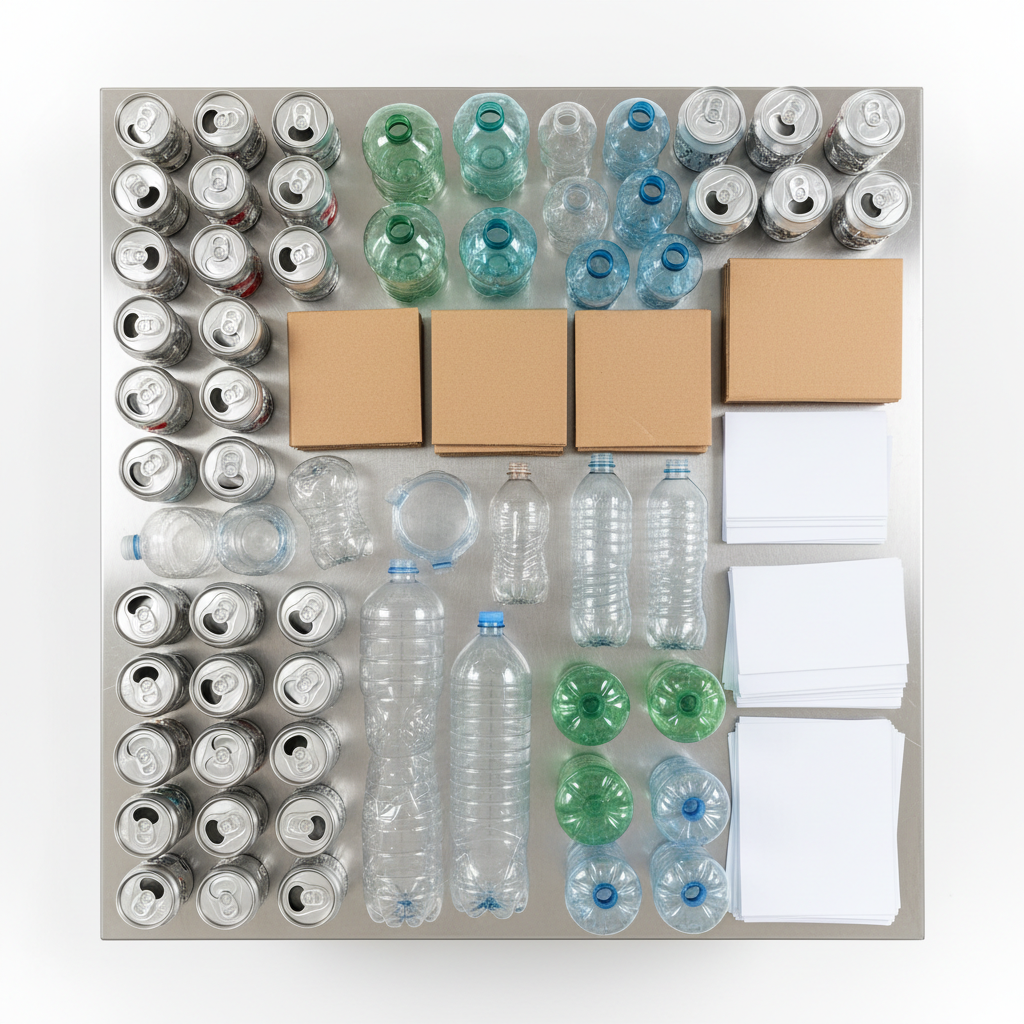
A successful home system relies on reducing the friction between a child and the bin. To make recycling for kids how to teach children to recycle at home a permanent habit, the physical setup must be accessible to everyone, including preschoolers. Start by choosing bins with low edges that a small child can reach into without assistance. Use a color coded system to simplify decision making, such as a blue bin for paper and a yellow bin for plastic.
Since younger children may not be fluent readers yet, attach visual labels to each container. Use clear photos or drawings of specific items, like a milk jug for plastic or a cereal box for paper. This removes the guesswork and builds confidence. Place the recycling station directly next to the main kitchen trash can. By positioning the bins side by side, you ensure that choosing the environmentally responsible option is just as easy as throwing something away.
These organized home habits directly support the dependable recycling services provided by Millard Recycling. Our professional collection process relies on organized routing and modern equipment to move materials efficiently through the local waste stream. When children learn to sort by color and category at home, they are participating in a simplified version of the industrial standards we use to keep Millard County clean and compliant. If your family is unsure which bin a specific item belongs in, reviewing our recycling frequently asked questions can help clarify your home sorting rules.
Common Household Items That Cannot Be Recycled
While the goal of any household system is to divert as much waste as possible, placing the wrong items in a bin can actually stall the entire process. This mistake is often called wishcycling, which happens when a person puts an item in the bin hoping it can be recycled, even if it does not meet local standards. For families in Fillmore, understanding that quality matters as much as quantity is a vital part of recycling for kids how to teach children to recycle at home.
Three common household things that cannot be recycled include:
Plastic Grocery Bags: These are known as tanglers because they wrap around the spinning gears of sorting machinery. This forces workers to shut down equipment to manually cut the plastic away, which is both dangerous and inefficient.
Greasy Pizza Boxes: While clean cardboard is valuable, food residue and oil soak deep into the fibers. This contamination ruins the pulping process, potentially wasting an entire batch of otherwise clean paper.
Styrofoam: This material is mostly air and breaks into thousands of tiny beads that scatter easily. Most standard programs cannot process it because it is difficult to transport, clean, and break down into new materials.
When these contaminants enter the stream, they threaten the efficiency of dependable recycling services in Millard County. By keeping these items out, families ensure that Millard Recycling can process materials safely and according to industry standards. If you are ever unsure about a specific item, you can always check our recycling frequently asked questions to verify if a material is accepted before placing it in your home station.
Building Long Term Sustainability Habits in Rural Utah
Teaching recycling for kids how to teach children to recycle at home is most effective when adults demonstrate these values through their own daily choices. In a rural setting like Fillmore, where shopping trips often involve planning ahead for the week, parents can model waste reduction by bringing reusable canvas bags to the store. Seeing a parent consistently refuse single-use plastic bags reinforces the "Refuse" and "Reduce" principles more effectively than a formal lesson alone.
When selecting products, prioritize items with minimal or recyclable packaging. Choosing loose produce instead of pre-packaged plastic containers, or opting for cardboard egg cartons over styrofoam, shows children that every purchase is an environmental decision. These small, intentional choices at the checkout counter directly impact the efficiency of the local waste stream. By focusing on quality over quantity, families ensure that the materials entering the bin are ready for processing rather than becoming contaminants that stall machinery.
By maintaining these habits, families provide cleaner materials for Millard Recycling to handle. Our dependable recycling services thrive when the community participates in high-quality sorting and volume reduction. This partnership between household habits and professional processing keeps Fillmore compliant with modern environmental standards and ensures our local mountains remain pristine.
If your family is ready to transition from basic sorting to a more comprehensive waste management plan, you can contact Millard Recycling to learn more about our current routes and modern equipment. Long-term sustainability in Millard County is built on these individual commitments to resource conservation; these efforts ensure the local landscape remains healthy for the next generation.
Teaching your children about the importance of recycling ensures that Fillmore remains a beautiful place for generations to come. By making sustainability a fun and interactive family activity, you instill values that last a lifetime. While home projects are a great start, you might eventually find yourself with larger items or specialized materials that require a more robust approach. If you want expert help managing your household waste or scrap metal, we invite you to explore our Services to see how we can support your family's green goals.