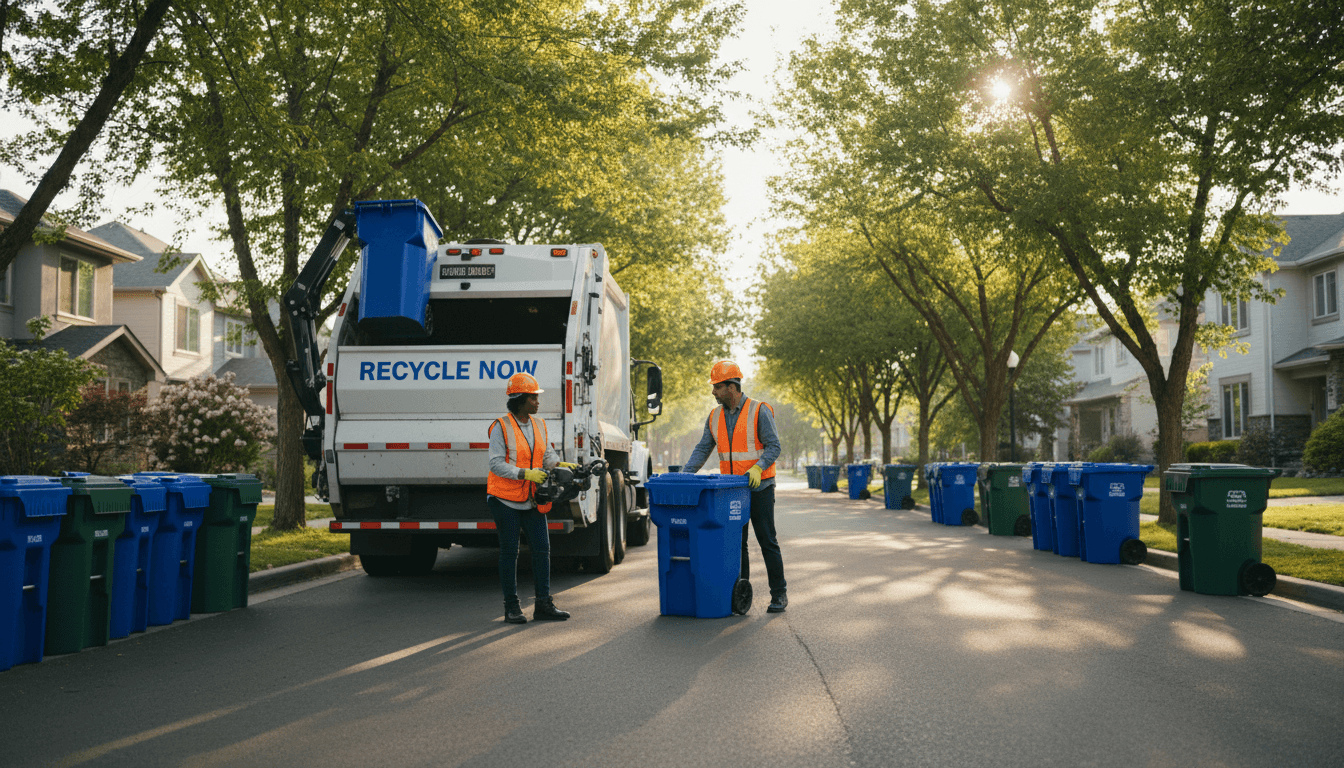
Manage your recycling when moving decluttering home by sorting items into categories such as paper, plastic, and metal for proper local disposal. Start by clearing out expired goods and old documents to streamline your belongings; then use a box-based system to separate recyclables from donations and trash.
Moving house in Fillmore, Utah, often reveals an overwhelming amount of clutter hidden in closets and garages. The sheer volume of cardboard, old electronics, and scrap metal can make even the most organized resident feel defeated. Managing this waste responsibly is crucial for maintaining the beauty of our local community and ensuring that valuable materials stay out of the landfill. At Millard Recycling, we understand that professional waste management is a vital part of a smooth transition. This guide will walk you through the three box method for sorting, how to handle bulky appliances, and the best ways to recycle packing materials. We will also cover specific protocols for kitchen items and how to coordinate your final pickup. By following these expert strategies, you can streamline your move while making a positive impact on our rural landscape.
The Challenge of Decluttering and Recycling When Moving in Rural Utah
Relocating in a rural community like Fillmore requires a different logistical strategy than moving in a major metropolitan area. In high density cities, people often leave unwanted furniture or piles of boxes on the curb for municipal collection, but our landscape requires a more deliberate approach. Responsible moving here depends on organized planning and a clear understanding of local disposal options. Millard Recycling provides dependable recycling services to help residents manage the surplus of materials that inevitably surfaces during a major transition.
Prioritizing recycling when moving and decluttering your home is the most practical way to lower total moving costs. Every pound of material you divert from your moving truck translates to lower fuel consumption and a more efficient packing process. By adhering to environmentally conscious practices, you help protect the local Fillmore environment from unnecessary waste accumulation. Reducing your moving load through early sorting ensures that valuable resources stay out of the landfill and that your move remains as streamlined as possible. Proper planning prevents the common rural pitfall of letting clutter accumulate in outbuildings or yards, keeping your property and the surrounding community pristine.
Start Early with the Three Box Method for Responsible Disposal
Applying a systematic plan for recycling when moving decluttering home ensures every item is diverted to its proper stream rather than ending up in a Millard County landfill. While minimalists often suggest a 3:3:3 rule involving three items or three months, a full house clear-out in Fillmore demands a more aggressive adaptation. Plan to spend three hours every Saturday for three weeks before your move, focusing on items you have not used in the last three months. This timeframe allows you to process high volumes of material without becoming overwhelmed by the logistical needs of a rural property.
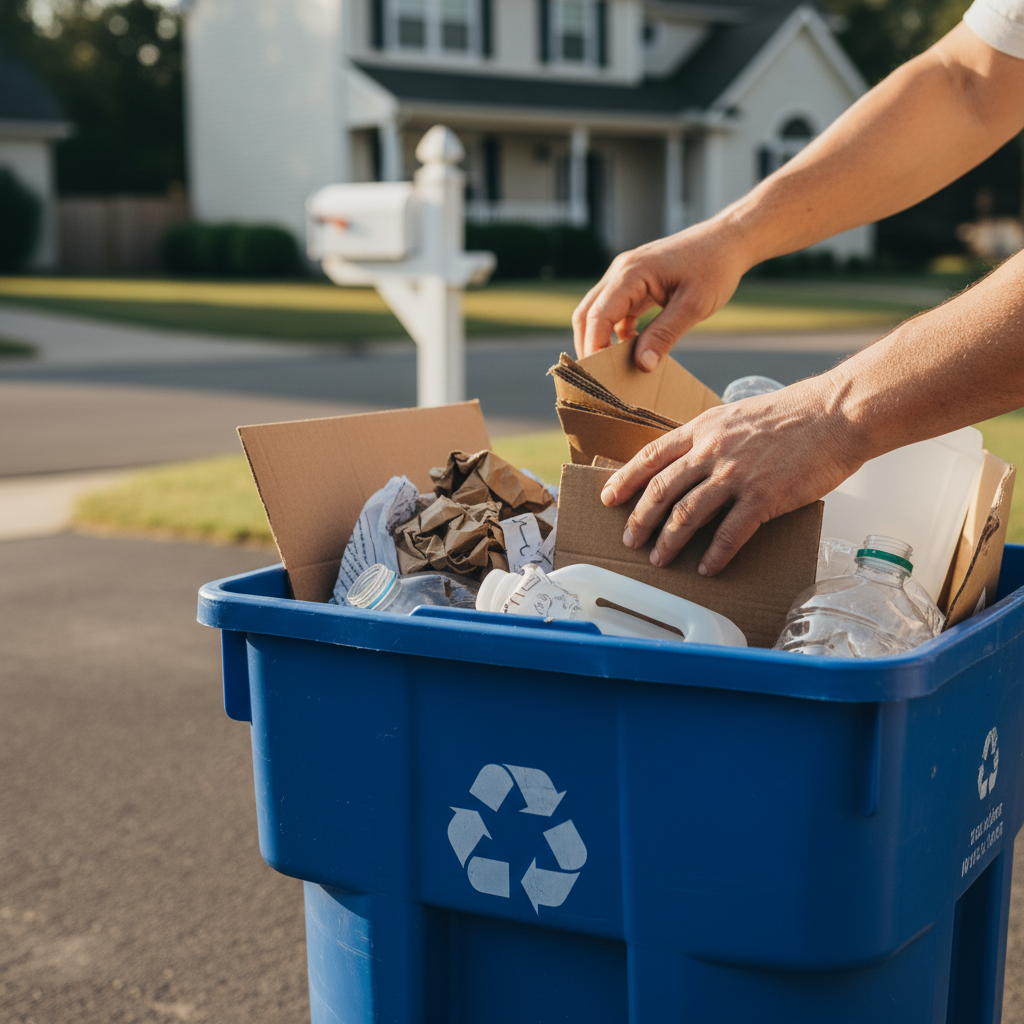
Establish three distinct zones in your staging area, such as a garage bay or a cleared section of the yard, labeled Keep, Donate, and Recycle. For the recycling zone, you must differentiate between standard residential materials and bulk items. Standard recycling includes aluminum cans, clean paper, and plastic containers marked with recycling symbols. In our rural setting, houses often have larger items like scrap metal, old irrigation components, or large plastic storage bins that have cracked over time. These bulky materials require different handling than your weekly bin service.
Utilizing these environmentally conscious practices from the beginning of your move prevents the common mistake of mixing materials, which can lead to contamination. If your sorting process reveals a volume of metal or specialized material that exceeds standard residential limits, you should contact Millard Recycling to arrange for appropriate handling. Proper sorting ensures that your efforts to declutter contribute to a cleaner Fillmore landscape and a more efficient moving day.
How to Recycle Cardboard Moving Boxes and Packing Materials
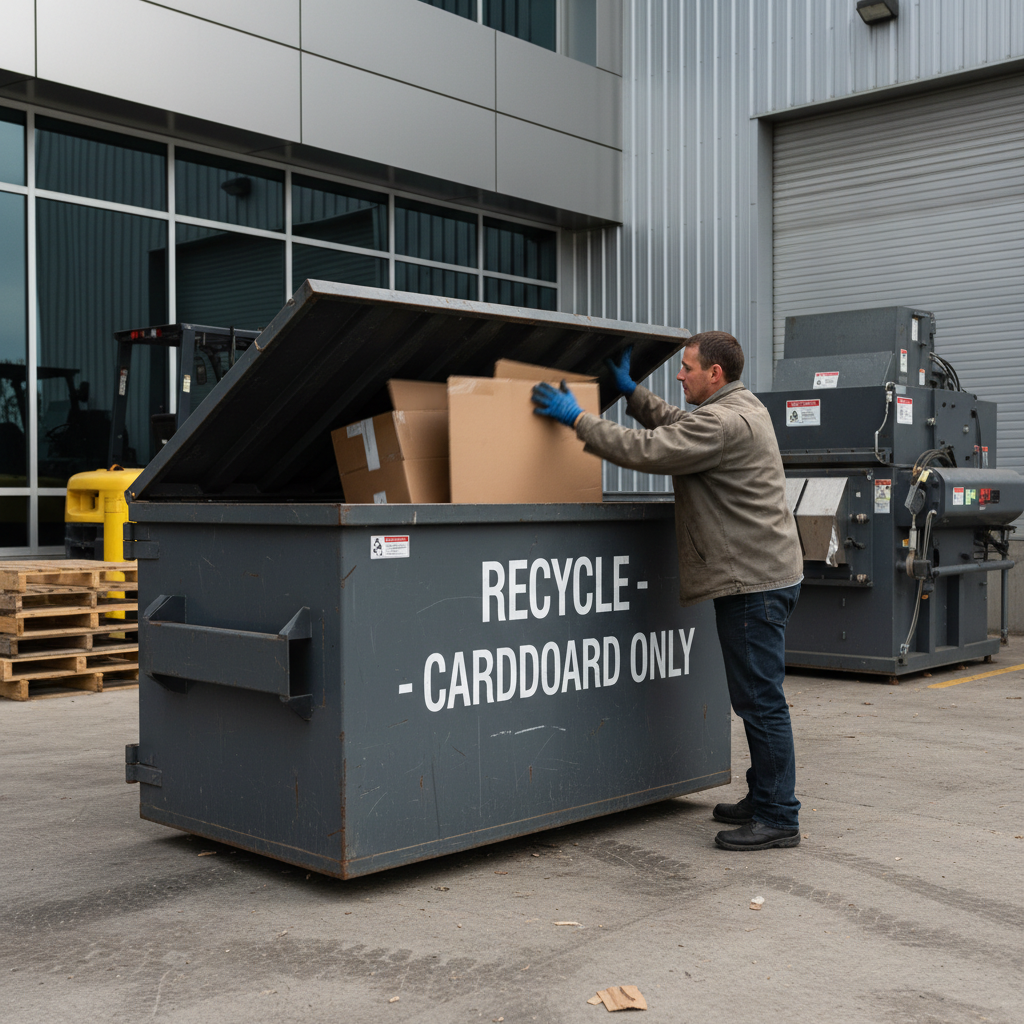
Once you have sorted your belongings, the most immediate byproduct of any move is a mountain of corrugated cardboard. In Fillmore, space in recycling containers is at a premium, making efficiency essential. To maximize the utility of your bins, every box must be broken down and flattened. Simply folding the flaps is insufficient; use a box cutter to slice through the tape at the bottom so the cardboard lies completely flat. Properly managing these materials is a final, vital step of recycling when moving decluttering home, ensuring that the high volume of paper products does not overwhelm local systems. This allows our dependable recycling services to transport the maximum amount of material in a single trip, reducing the number of truck rotations needed for our rural community.
A frequent question arises regarding packing tape and shipping labels. While modern industrial pulping processes can screen out small amounts of adhesives, you should remove large strips of heavy-duty packing tape or reinforced filament tape before disposal. Removing these contaminants at the source ensures a higher quality of processed fiber. Similarly, clean packing paper is a highly recyclable resource, provided it remains dry. Moisture causes paper fibers to break down prematurely, rendering them useless for high-grade paper production. In our local climate, sudden afternoon storms can quickly ruin a stack of paper left outdoors, so keep your paper bundles inside or in a covered bin until the scheduled pickup.
Distinguishing between recyclable materials and wishcycling is critical for maintaining environmentally conscious practices. Wishcycling occurs when residents place non-recyclable items, such as plastic bubble wrap, foam peanuts, or heavily soiled paper, into the recycling stream hoping they can be repurposed. These materials contaminate entire batches of clean cardboard and can damage sorting equipment. If you are uncertain about a specific material or have an overwhelming volume that exceeds your standard bin capacity, you can contact Millard Recycling to discuss the most efficient disposal route for your specific situation. This expert-led approach keeps the processing stream clean and ensures your moving waste is managed according to industry standards.
Managing Bulk Items: Appliances and Electronics During a Move
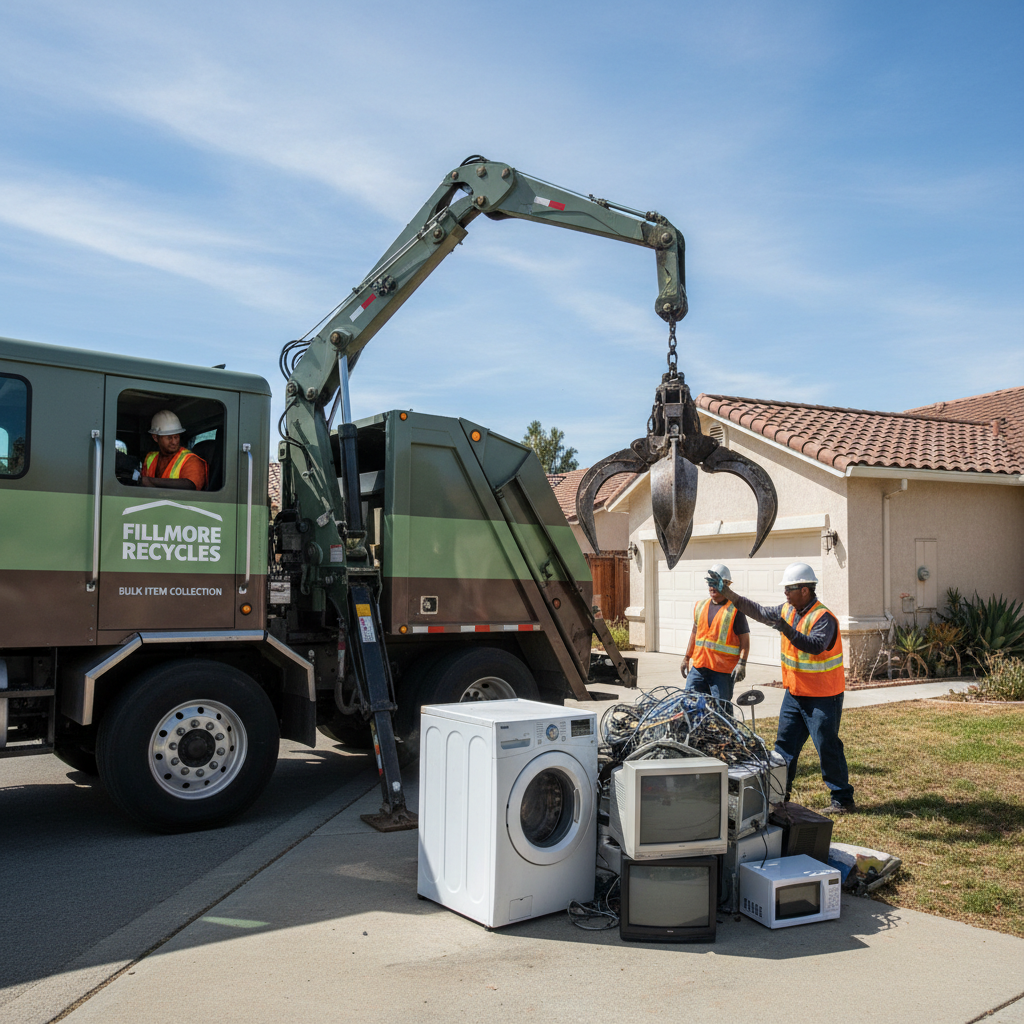
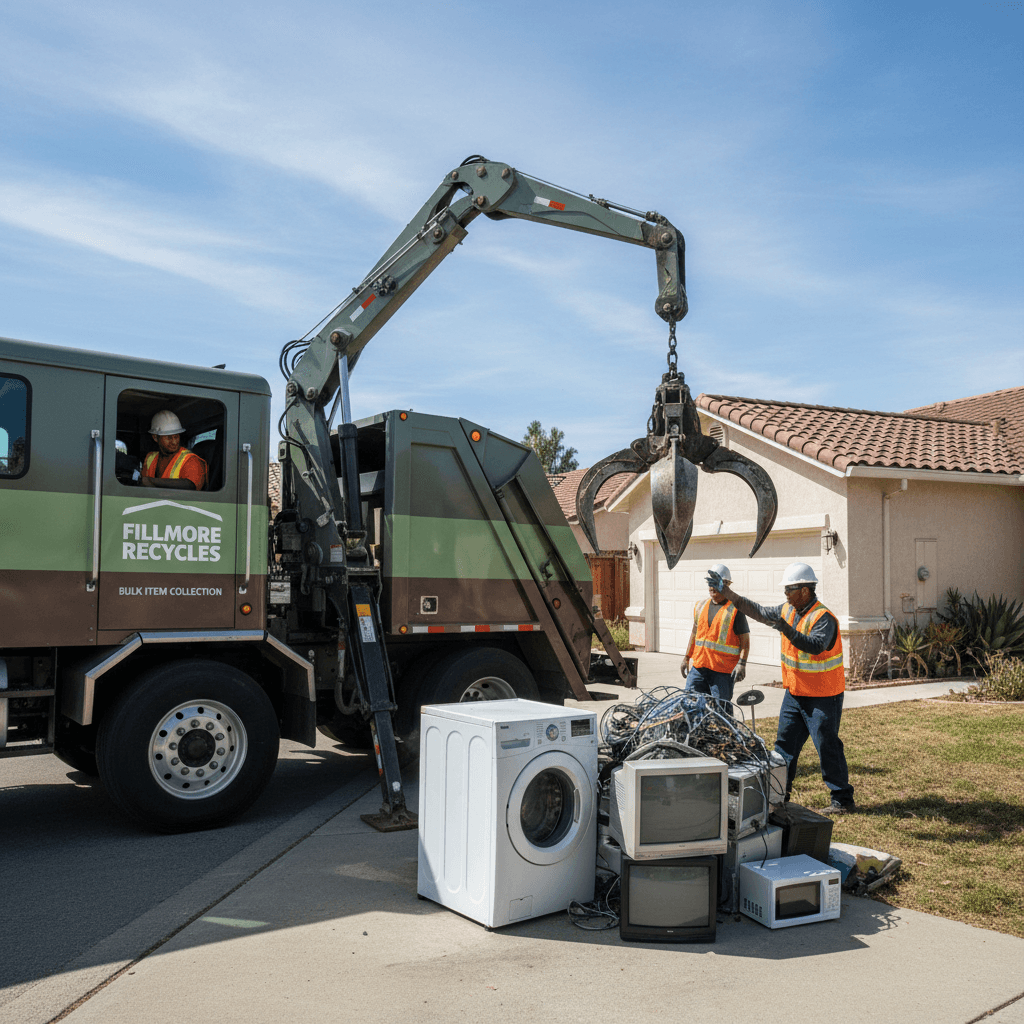
While cardboard is the most visible byproduct of a move, the heavy lifting involves items hidden in garages, basements, or back sheds. Moving frequently unearths defunct washing machines, old refrigerators, or boxes of outdated computer towers and cathode ray tube monitors. These items, collectively known as e-waste and scrap metal, require specialized handling because they contain heavy metals and hazardous chemicals that should never enter a standard landfill. In Fillmore, discarding these in your regular bin is not just inefficient; it can be dangerous for sanitation workers and damaging to the local soil.
Managing these complex materials is a critical part of recycling when moving decluttering home. Large appliances are primarily composed of valuable steel, aluminum, and copper that can be reclaimed and reused. However, they often contain refrigerants or capacitors that require professional removal. Millard Recycling utilizes modern equipment and organized routing to manage these heavy loads safely. By following environmentally conscious practices, we ensure that all bulk materials are processed in strict compliance with industry standards, preventing leaks and contamination.
For residents preparing for a move, the most efficient approach is to aggregate all metal and electronic items in an accessible location, such as a driveway or near a loading dock. This preparation allows for faster collection and helps maintain the efficiency of rural service routes. If you have gathered a significant volume of metal or electronics, you should contact Millard Recycling to discuss the specific requirements for your bulk items. Our dependable recycling services are designed to handle the logistical burden of heavy disposal, ensuring your property is cleared without the risk of improper dumping.
Recycling Guidelines for Kitchen and Bathroom Decluttering
Moving from heavy machinery to the intricate sorting of your interior spaces requires a shift in focus. The kitchen and bathroom often harbor the highest volume of small, varied materials that complicate recycling when moving decluttering home. Before you pack a single box, audit your pantry and medicine cabinet to identify items that should not take up space in a moving truck.
Use this checklist to process 12 common items found in these rooms:
Expired canned goods: Empty the contents and wash the metal cans thoroughly.
Warped plastic storage containers: Check the bottom for recycling symbols one through seven.
Glass jars: Clean out food residue; these are highly recyclable in rural streams.
Plastic shampoo and body wash bottles: Rinse to remove soapy films.
Metal jar lids: Separate these from glass jars as they are often a different grade of metal.
Cardboard food boxes: Remove any plastic liners and flatten the outer box.
Clean aluminum foil: Scrape off food waste; heavily soiled foil should be discarded.
Plastic condiment bottles: Ensure all oils or sugars are scrubbed out.
Empty vitamin and supplement bottles: Most are made of recyclable HDPE or PET plastic.
Empty aerosol cans: These must be completely depressurized and empty.
Cardboard toilet paper tubes: These belong with your clean paper products.
Paperboard packaging: Recycle the outer boxes from toothpaste and cosmetics.
While many of these items fit standard streams, exercise extreme caution with liquids. Never pour old cleaners, medications, or hazardous chemicals down the drain or into your trash bin. These substances can leach into the Fillmore groundwater, causing long term damage to the local ecosystem. By following environmentally conscious practices, you ensure that only clean, approved materials enter the system, protecting the soil and water our community depends on. If your pantry clean out results in a volume of glass or plastic that exceeds your bin capacity, you can contact Millard Recycling for guidance on the most efficient disposal methods.
Scheduling Your Final Pickup and Using Local Drop-off Stations
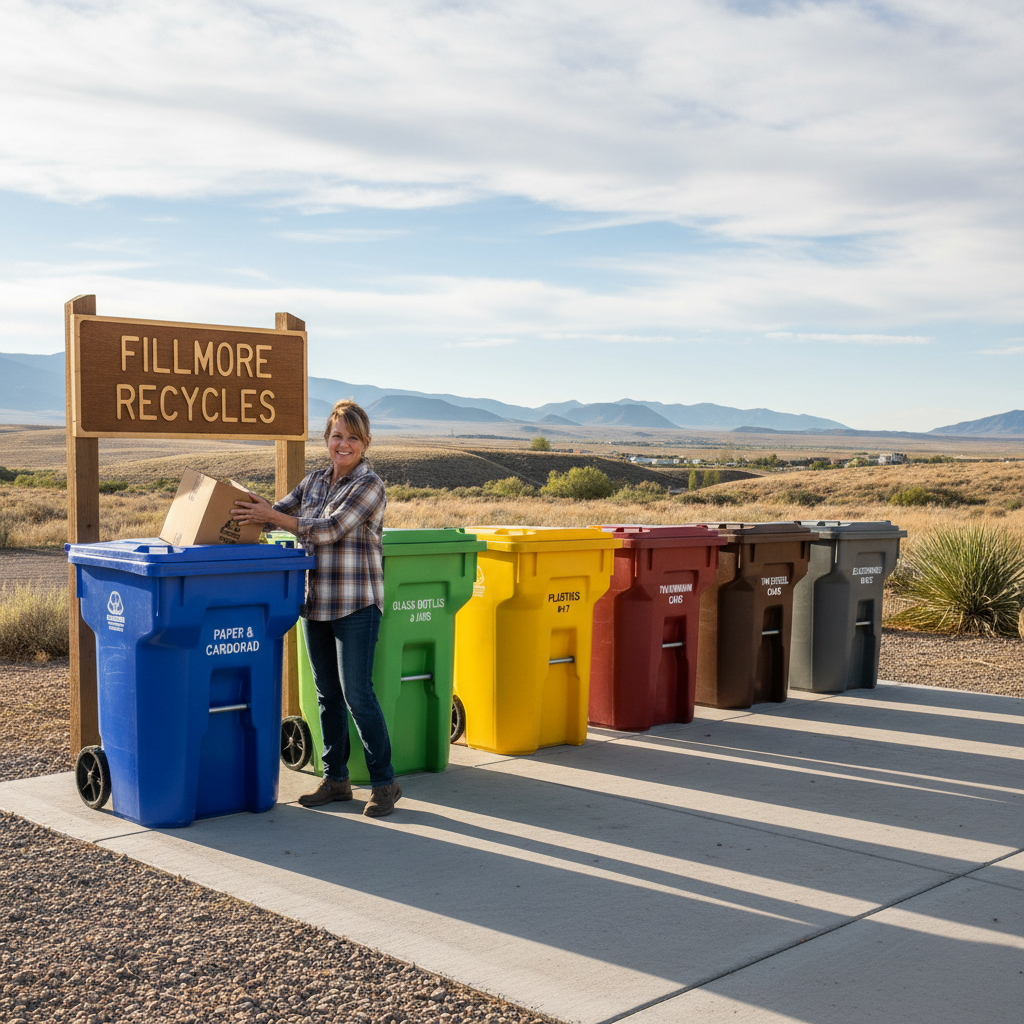
Timing is the most critical factor when coordinating your final collection. Because rural logistics rely on organized routing to maintain efficiency, you should schedule your service at least one week before your move-out date. This lead time allows providers to incorporate your stop into existing paths, which reduces fuel consumption and keeps operational costs manageable for the community. For residents handling a do it yourself move with a personal truck or trailer, utilizing a central drop-off station provides a flexible alternative. This is particularly useful for the "last load" of materials that often appears once the heavy furniture is removed and the house is truly empty.
Effective recycling when moving decluttering home concludes with thorough site preparation. Once your staging area is cleared, perform a final sweep-up of the garage, basement, and driveway. Gather any remaining scraps of plastic strapping, stray cardboard edges, or paper debris into a single, secured container. Ensuring the site is tidy prevents these materials from scattering across the Fillmore landscape or blowing into neighboring properties during transport. If you have managed a high volume of waste that exceeds your usual bin limits, you should contact Millard Recycling to confirm the best timing for a final sweep or to verify the current hours for the drop-off station.
By utilizing dependable recycling services and adhering to environmentally conscious practices, you ensure that your transition does not leave a negative footprint on the local environment. Clear communication regarding your load volume and material types helps maintain the high standards of our community recycling program, keeping the Fillmore area clean and resource-efficient for the next resident.
Relocating involves a lot of moving parts, but prioritizing a recycling plan ensures your decluttering efforts benefit the environment. By sorting your materials ahead of time, you can clear out unwanted items while keeping local landfills free of recyclable waste. If you want expert help managing your metal scrap or larger loads, we are here to support your goals. You can read more about our mission and facility to see how we simplify the process for residents throughout the Fillmore area.