Recycling contamination wishcycling mistakes Fillmore Utah commonly occur when residents place greasy food containers, plastic bags, or unwashed items into their bins. These errors compromise the sorting process and often lead to entire loads being rejected and sent to the landfill instead of being processed. To avoid these issues, individuals should only recycle clean, dry materials that are explicitly approved by local waste services.
Have you ever stood over your bin in Fillmore, wondering if a greasy pizza box or a plastic grocery bag is actually recyclable? You toss it in, hoping for the best; however, this practice, known as wishcycling, creates significant hurdles for our local processing facilities. While your intentions are good, placing non-recyclable items into the mix leads to contamination that can ruin entire batches of materials. In Millard County, our goal is to streamline operations and ensure our resources are handled effectively. This article explores the hidden problems of recycling contamination, identifies five common items that should stay out of your curbside bin, and explains the psychological reasons why we often make these errors. By understanding the real cost of these mistakes, you can help protect the future of sustainability in Utah and ensure your green efforts truly make a difference.
The Hidden Problem of Wishcycling in Our Community
Most residents in Fillmore want to do the right thing for the environment. This desire often leads to a practice known as wishcycling. Wishcycling is the act of placing non-recyclable items into a recycling bin with the hope or wish that the processor will somehow find a way to recycle them. While this behavior stems from a place of genuine environmental concern, it has become one of the most significant threats to the long term sustainability of our local programs.
For a local operator like Millard Recycling, the quality of the materials we collect is paramount. We provide dependable recycling services to the community, but the efficiency of these services relies on clean streams. This means batches of material must be free from non-recyclable debris. When items like plastic films, food-soiled containers, or scrap metal enter the mix, they create what we call recycling contamination.
As we move into 2026, recycling contamination wishcycling mistakes Fillmore Utah residents make have become the primary hurdle to maintaining affordable and effective waste diversion. High contamination rates force extra sorting, damage expensive equipment, and can even result in entire loads of otherwise good material being sent to the landfill. If you have common recycling questions about specific items, it is always better to verify before tossing. Understanding that a bin is not a catch-all for good intentions is the first step toward a cleaner, more efficient community.
What Counts as Recycling Contamination?
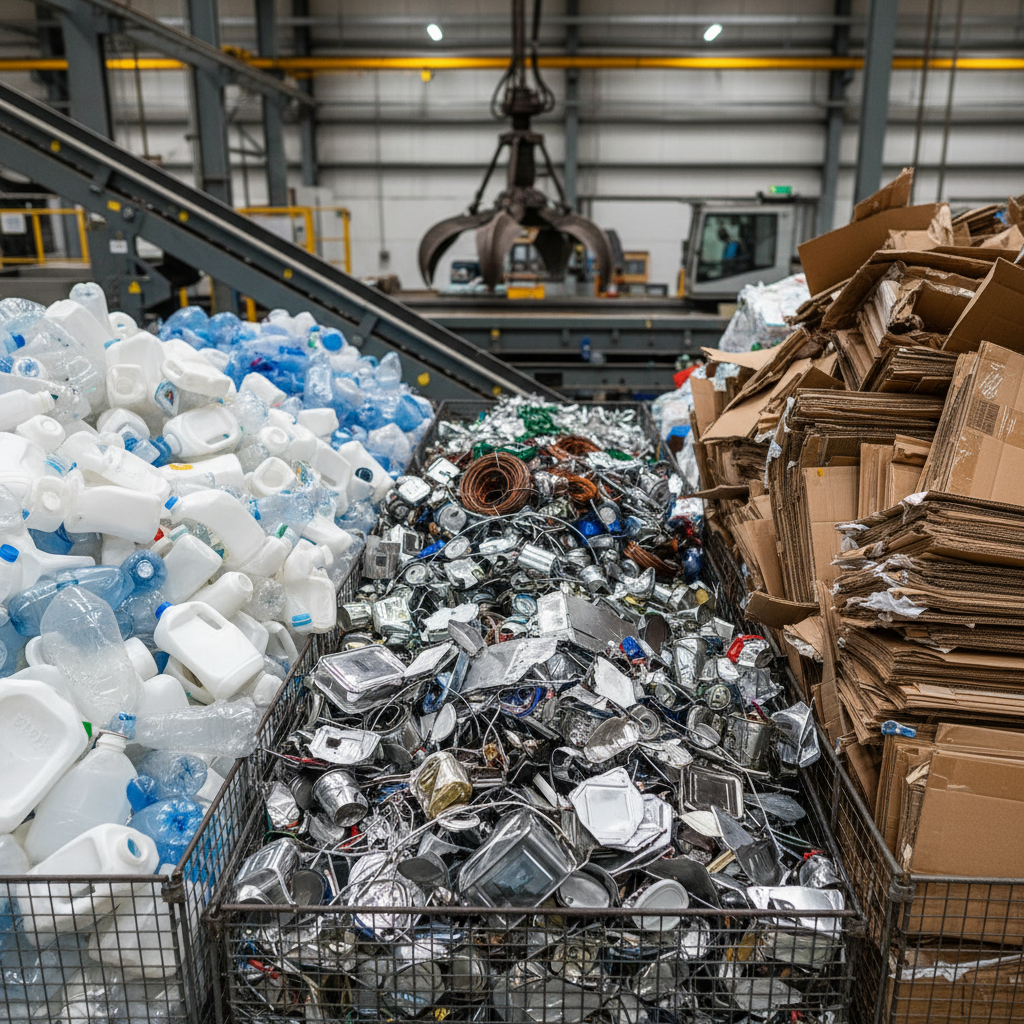
Recycling contamination occurs when non-recyclable materials enter the stream or when recyclable items are improperly prepared. To maintain efficient operations in Fillmore, we categorize these issues into three primary groups that directly impact the quality of our collected materials.
The first and most common category is residual food and liquids, often called the dirty jar problem. When a half-full soda can or an oily pizza box is tossed into a bin, the contents leak onto high-value materials like paper and cardboard. Even a small amount of moisture or grease can compromise the structural integrity of paper fibers, rendering an entire truckload of recyclables unmarketable. In the recycling industry, grease is a permanent contaminant; once it soaks into cardboard, that material can no longer be processed into new paper products. Essentially, a single unwashed container can turn a ton of potential resources into trash.
The second category involves non-recyclable materials that physically disrupt the process, known as tanglers. These include plastic shopping bags, garden hoses, or holiday lights. While a plastic bag is made of plastic, it cannot be processed in standard curbside sorting equipment. Instead, these items wrap around moving parts and gearboxes, causing dangerous and expensive system failures.
Finally, there are prohibited items that vary based on local regulations. These might include medical waste, electronics, or certain types of glass that require specialized handling. Residents often make recycling contamination wishcycling mistakes Fillmore Utah by assuming every item with a chasing-arrows symbol belongs in the bin. If you are unsure about a specific item, we encourage you to review our common recycling questions or contact us for more information to ensure your efforts support a clean stream.
The Real Cost of Recycling Mistakes in Fillmore

The economic consequences of these errors are substantial and measurable. Nationally, industry data suggests that contamination adds billions of dollars in extra processing costs annually. This burden is intensified by recent trends in waste management; landfill tipping fees have seen spikes as high as 50 percent in many regions over the past few years. When residents make recycling contamination wishcycling mistakes Fillmore Utah loads that arrive at our facility can become unprocessable. If a load is rejected because it contains too much trash or spoiled material, we are forced to transport it to a landfill and pay those rising tipping fees ourselves. These avoidable expenses directly affect the operational budget, which ultimately influences the long-term cost of dependable recycling services for all our local customers.
Beyond direct fees, the physical damage to sorting infrastructure is a major concern. Tanglers, such as garden hoses, wire hangers, and plastic bags, are notorious for seizing rotating machinery. When these items wrap around the starscreen or conveyor axles, the entire sorting line must be shut down. This leads to hours of expensive downtime while technicians manually cut the debris away from the gears. This process is not only costly but also poses significant safety risks to the maintenance crew. Even a single hose can stop an entire morning of production, wasting man-hours and fuel.
The environmental cost is equally troubling. When a load is contaminated, the resources used to collect and transport that material are wasted. Instead of returning aluminum or fiber to the supply chain, the energy spent ends up contributing to a larger carbon footprint with no offset from recovered materials. If you have common recycling questions regarding how to avoid these mechanical or financial setbacks, please contact us for more information. By ensuring only clean, acceptable items enter the stream, you help keep our local systems viable and efficient for the long term.
Five Surprising Items That Cannot Be Recycled Curbside
To improve the quality of our community's output, it is helpful to recognize the specific items that frequently disrupt our process. Even if an item features a recycling symbol, it may not be suitable for the specialized equipment used in our curbside programs. Identifying these materials is a practical way to ensure we can continue providing dependable recycling services to everyone in Fillmore.
Plastic Bags: While grocery bags are plastic, they are a primary enemy of sorting machinery. They are too thin and flexible for standard sorting lines and must be taken to specialized retail drop-off locations instead of being placed in curbside bins.
Greasy Cardboard: Oil is a permanent contaminant in the paper industry. Once grease from food soaks into a cardboard box, it ruins the organic fibers; these fibers cannot be separated from the oil during the pulping process, which compromises the quality of new paper products.
Multi-material Packaging: Items like juice boxes, granola bar wrappers, or padded mailers often bond plastic, foil, and paper together in thin layers. Because these materials cannot be separated efficiently by machines, the resulting mix has no market value.
Single-use Plastics: Plastic forks, spoons, and straws are typically too small for industrial sorting screens. They frequently fall through the gaps and contaminate other material streams like glass or paper.
Tanglers: This category includes garden hoses, holiday lights, and electrical wires. These items do not belong in a bin because they physically entangle rotating shafts, leading to expensive repairs and significant safety hazards for the crew.
Item Category | Why It Is Prohibited | Proper Disposal Action |
|---|---|---|
Plastic Film | Wraps around sorting gears | Return to retail drop-off |
Soiled Paper | Oil degrades fiber quality | Place in trash bin |
Multi-material | Components cannot be separated | Place in trash bin |
Small Plastics | Falls through sorting screens | Place in trash bin |
Tanglers | Damages rotating equipment | Scrap metal facility or trash |
Recognizing these categories helps residents avoid the recycling contamination wishcycling mistakes Fillmore Utah households often make. If you have common recycling questions about other specific household objects, please contact us for more information. Understanding the mechanical and economic reasons behind these rules helps keep our local recycling stream clean and productive for the entire community.
The Psychology of the Wishcycler: Why We Get It Wrong
Understanding why we make recycling contamination wishcycling mistakes Fillmore Utah residents encounter often comes down to a phenomenon known as green guilt. This psychological drive stems from a desire to be environmentally responsible, leading many to view the trash can as a sign of failure. By placing a questionable item in the recycling bin, individuals receive an immediate hit of psychological relief, feeling they have done their part for the planet regardless of the item's actual recyclability.
In reality, this emotional approach creates significant hurdles for our team. The most responsible choice for an ambiguous item is often the landfill bin, as a single non-recyclable object can spoil a whole batch of clean material. To avoid these errors, we advocate for the industry mantra: When in doubt, throw it out. While it may feel counterintuitive, this practice protects the integrity of the stream. For those with common recycling questions about specific packaging, sticking to known recyclables ensures we can continue providing dependable recycling services to the entire community.
How to Clean Up Your Recycling Habits
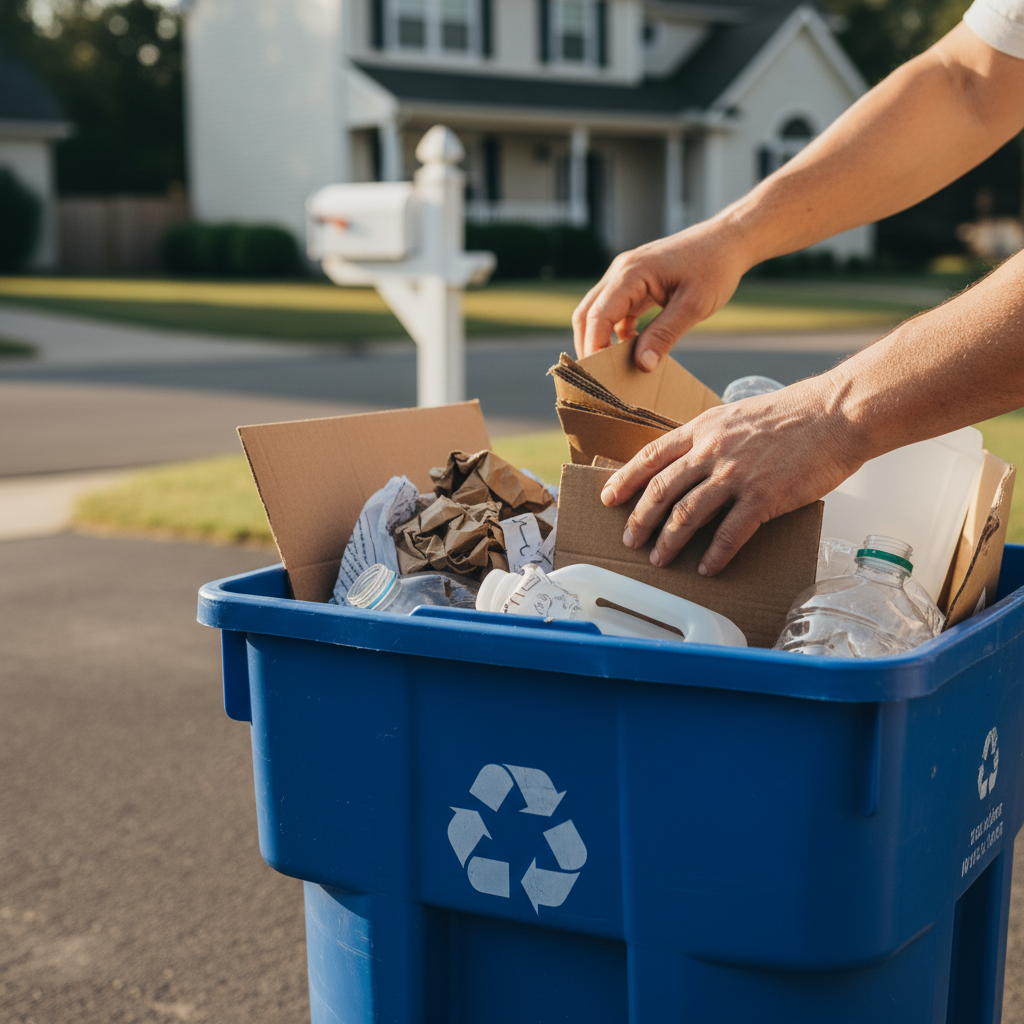
To move past the psychological urge to wishcycle, residents can adopt a simple, three step standard: Empty, Clean, and Dry. This protocol ensures that materials arriving at our facility are ready for processing without risking the integrity of the entire load.
Start by ensuring every container is completely empty. For a milk carton, this means pouring out every drop of liquid. For thicker substances like peanut butter or yogurt, use a spatula to scrape out as much residue as possible. A quick rinse with water is usually sufficient; you do not need to run these items through a dishwasher. The final, often overlooked step is drying. Moisture trapped in a closed container can lead to mold or saturate nearby cardboard during transport. Shake out your rinsed items and let them air dry before placing them in the bin.
Adopting these habits helps prevent the recycling contamination wishcycling mistakes Fillmore Utah households occasionally fall into. If you encounter an unusual item, such as a specialized plastic or a composite material, consult our common recycling questions or contact us for more information. Maintaining a high quality stream is a collaborative effort between your household and our team. By following these practical steps, you ensure that our dependable recycling services remain a powerful tool for community waste reduction.
Protecting the Future of Recycling in Utah

Consistent, clean recycling streams directly protect the longevity of Utah landfills and stabilize operational costs for our neighbors. Every time a household avoids the recycling contamination wishcycling mistakes Fillmore Utah residents often face, they contribute to a more resilient local economy. Reducing rejected loads lowers the collective burden of landfill tipping fees, which allows Millard Recycling to continue providing dependable recycling services at an accessible rate.
Our team remains dedicated to environmentally conscious practices, yet the true power of resource conservation lies with the residents of Fillmore. By staying informed and checking common recycling questions before binning an item, you ensure that our community remains a leader in sustainable waste management. Please contact us for more information on how your daily habits contribute to a cleaner, healthier future for all of Millard County.
Avoiding wishcycling ensures that our local efforts in Fillmore truly benefit the environment. By focusing on quality over quantity, we can significantly reduce contamination and keep the recycling process running smoothly. If you want expert help managing your waste more effectively or clarifying specific guidelines, reading about our mission can provide the clarity you need. We are committed to supporting our neighbors with sustainable solutions that make a real difference for our community.