Major recycling changes 2026 include the introduction of AI-powered smart bins and robotic sorting technologies that streamline how households separate materials. Residents will also see an increase in deposit return systems and soft plastic collection programs driven by new state legislation; these initiatives aim to boost diversion rates through high-tech apps and improved material substitution.
We have all felt that moment of hesitation at the curb, wondering if a specific type of plastic truly belongs in the bin. For Fillmore residents, the confusion is often compounded by evolving standards that seem to shift every few years. As we approach 2026, these local concerns are meeting a significant wave of national regulatory changes that will fundamentally redefine how our community manages its waste. Understanding these shifts is essential for maintaining an efficient local system; it ensures that our rural infrastructure can handle new materials while keeping processing costs low for every household. In this guide, we will examine the arrival of AI sorting technology in rural Utah, new legislative mandates regarding batteries, and the practical application of extended producer responsibility. You will discover exactly how Millard Recycling is modernizing to meet these challenges and what steps you can take to remain a leader in sustainable disposal.
The 2026 Recycling Landscape: A National Shift with a Local Impact
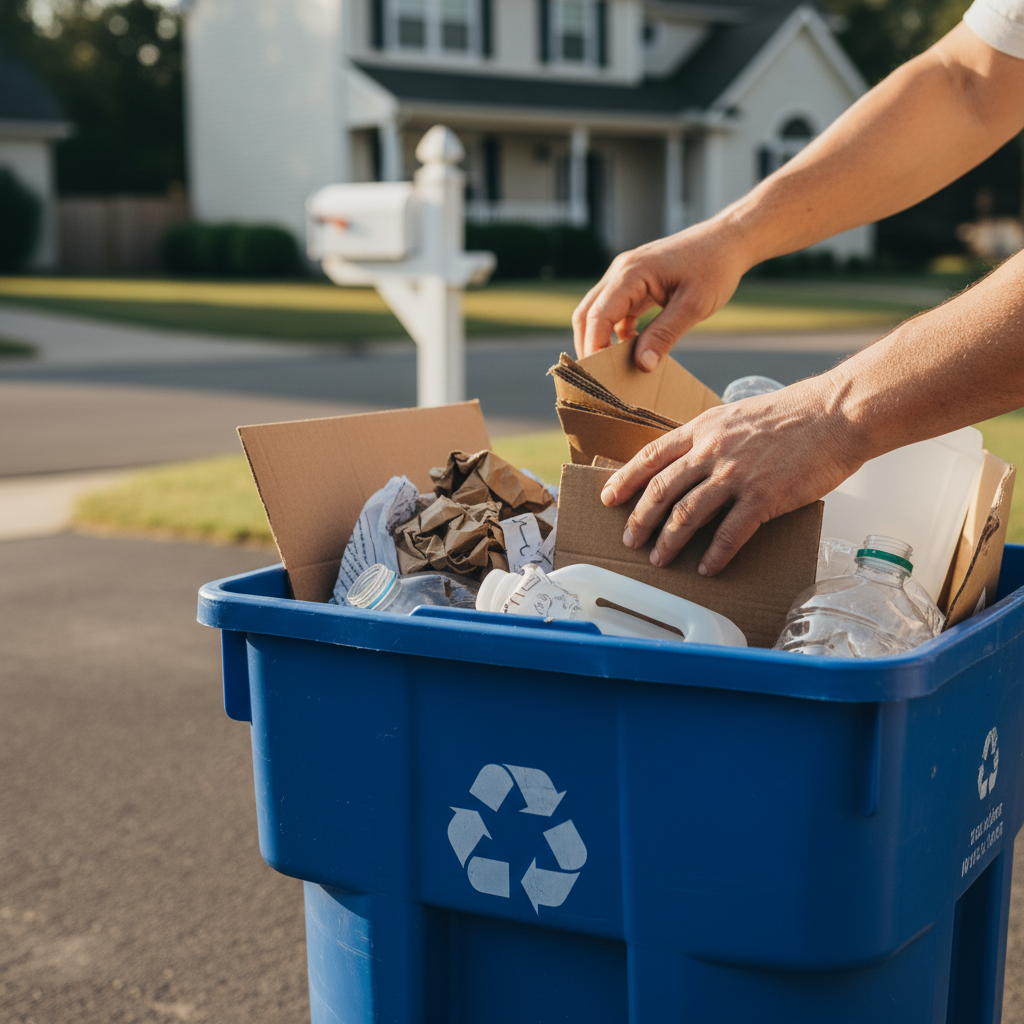
The global shift toward a circular economy is accelerating as we head into 2026. This period serves as a critical midpoint for the U.S. National Recycling Goal, which aims to increase the national recycling rate to 50 percent by 2030. To understand the magnitude of this shift, consider that the national recycling rate was just 7 percent in 1960. Today, it sits at nearly 35 percent. While this progress is significant, the next four years require a much sharper focus on efficiency and material purity to bridge the remaining gap.
In Utah, the recycling landscape is more varied and faces distinct geographical challenges. Current state records show recycling rates hovering between 19 percent and 37 percent. This gap between local performance and national targets underscores why proactive participation is necessary for Fillmore residents. As federal and state regulations tighten, the way we handle everyday waste must evolve to maintain compliance and protect local land. Millard Recycling is dedicated to helping the community navigate these recycling changes 2026 by offering dependable recycling services tailored to our rural setting.
Staying informed about our environmentally conscious practices helps residents understand how small changes at the curbside contribute to broader national objectives. If you have specific queries about what can be processed, we recommend reviewing our frequently asked recycling questions to stay ahead of these transitions. The move toward 2030 is not just about meeting a statistical target; it is about ensuring that the resources we use today do not become the financial and environmental burdens of tomorrow. Understanding this national shift is the first step in preparing for the technological and regulatory updates coming soon to Millard County.
Smart Bins and AI: How Technology Is Reaching Rural Utah
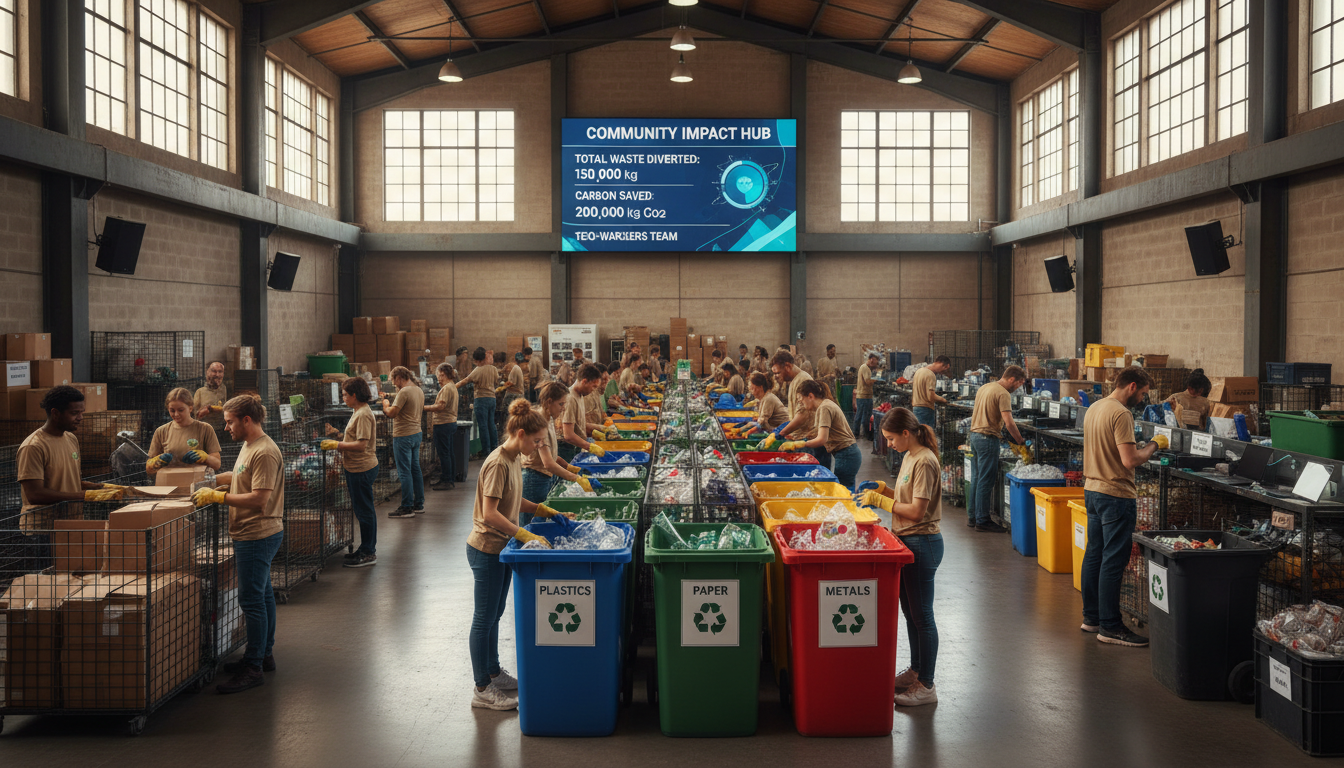
The technological shift in waste management is moving from the back end of the facility directly into the palm of your hand. AI powered recycling technology is no longer a concept limited to research labs; it is now entering the consumer market through smart bins equipped with computer vision. These systems use high speed cameras to identify material types instantly, helping to eliminate contamination at the source. While residents in dense urban centers might be investing in expensive AI powered countertop compactors to manage their waste, the impact for Fillmore households will be more practical and data driven.
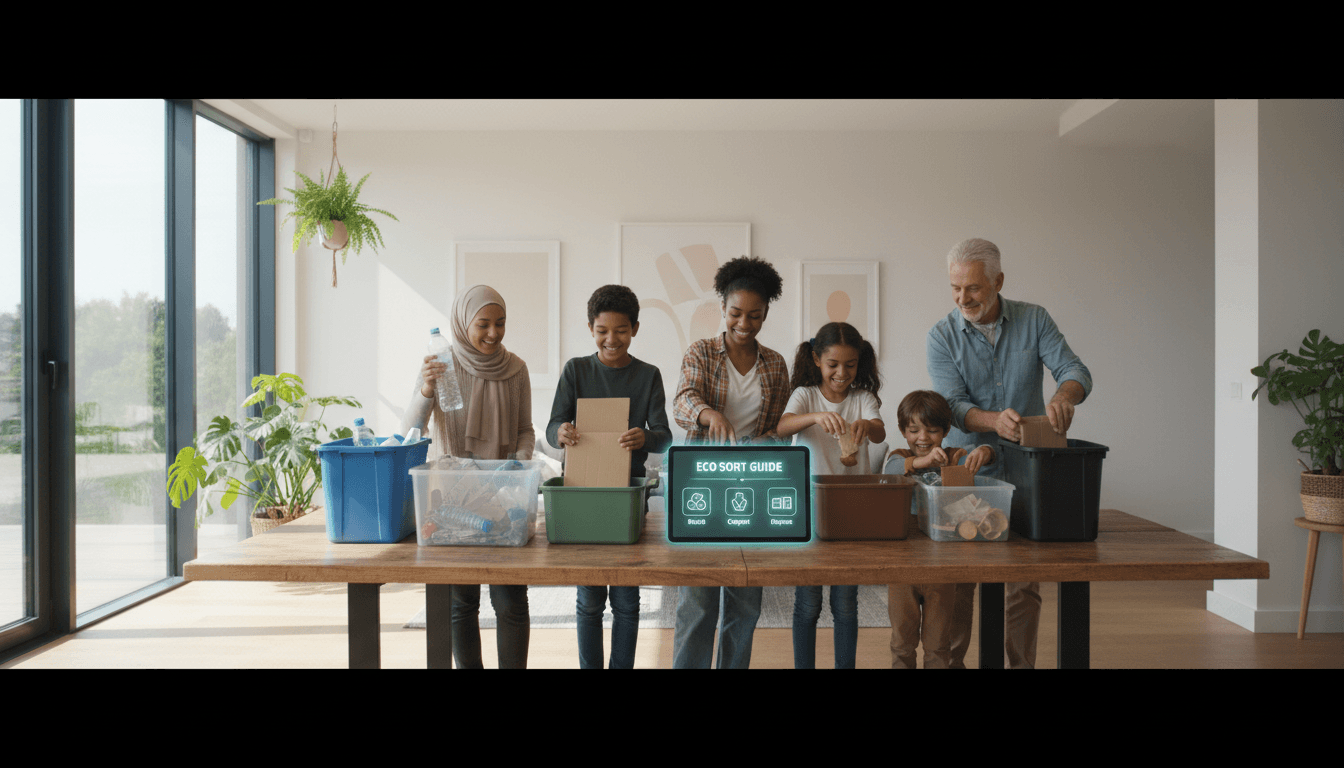
For rural communities, the most significant benefit of these advancements comes through mobile applications that decode specific local rules. Instead of guessing if a plastic container is accepted, residents can use digital tools to verify sorting requirements in real time. This level of precision is vital for navigating the recycling changes 2026 will bring, as material purity becomes a stricter requirement for processors. Furthermore, sensors in modern collection equipment now monitor the weight and volume of recyclables, allowing for more efficient scheduling and notification systems.
It is important to differentiate between high tech gadgets and the practical infrastructure necessary for a rural setting. Millard Recycling focuses on using modern equipment and organized routing to ensure that every load collected meets industrial quality standards. By utilizing real time data from local facilities, the company maintains a clear service process that keeps sorting efficient. These tools allow us to process materials quickly while remaining compliant with 2026 standards, ensuring that the resources collected in Millard County actually reach their next destination rather than a landfill. Staying updated on these systems through our frequently asked recycling questions ensures your household remains prepared for the next wave of sorting technology.
New Regulations for 2026: Extended Producer Responsibility and Battery Laws
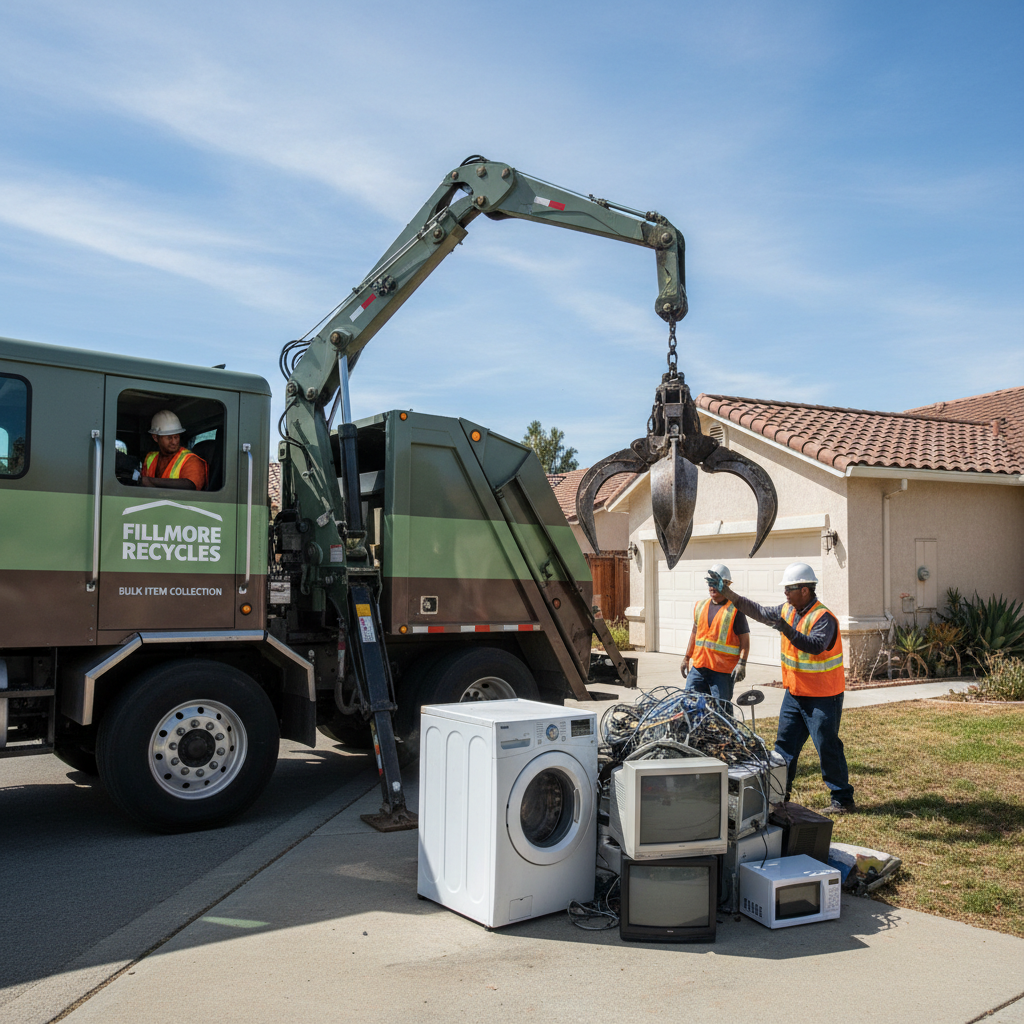
The transition toward a more efficient waste stream is being driven by a significant legislative shift known as Extended Producer Responsibility (EPR). By 2026, these regulations will require manufacturers to take greater responsibility for the entire lifecycle of their products, particularly regarding end of life recovery. This means that the companies producing electronics, batteries, and complex packaging will be tasked with funding or managing the collection and processing systems for those items. For Millard County residents, this shift is a cornerstone of the broader recycling changes 2026 will introduce, moving the logistical burden away from local taxpayers and back to the producers.
A critical part of these new regulations involves identifying what electronics should never be thrown away in a standard waste or recycling bin. The list primarily includes smart devices such as cell phones and tablets, as well as laptops and any equipment containing lithium ion batteries. These items are high risk because they can cause fires in collection trucks or sorting facilities when crushed. They also contain heavy metals and chemicals that require specialized handling to prevent soil and water contamination.
While these laws will result in stricter rules for curbside collection, they are also designed to increase the availability of manufacturer funded drop off points. Residents will likely see more opportunities to return old electronics to retailers or specialized hubs, ensuring these materials stay out of the local landfill. Millard Recycling continues to offer dependable recycling services that help households navigate these evolving requirements. By staying informed about our environmentally conscious practices, you can ensure your home remains compliant with state and federal laws. For specific instructions on handling hazardous electronic waste, we encourage you to review our frequently asked recycling questions to avoid contamination fees and safety hazards.
The 5 Rs of 2026: Beyond Just Recycling
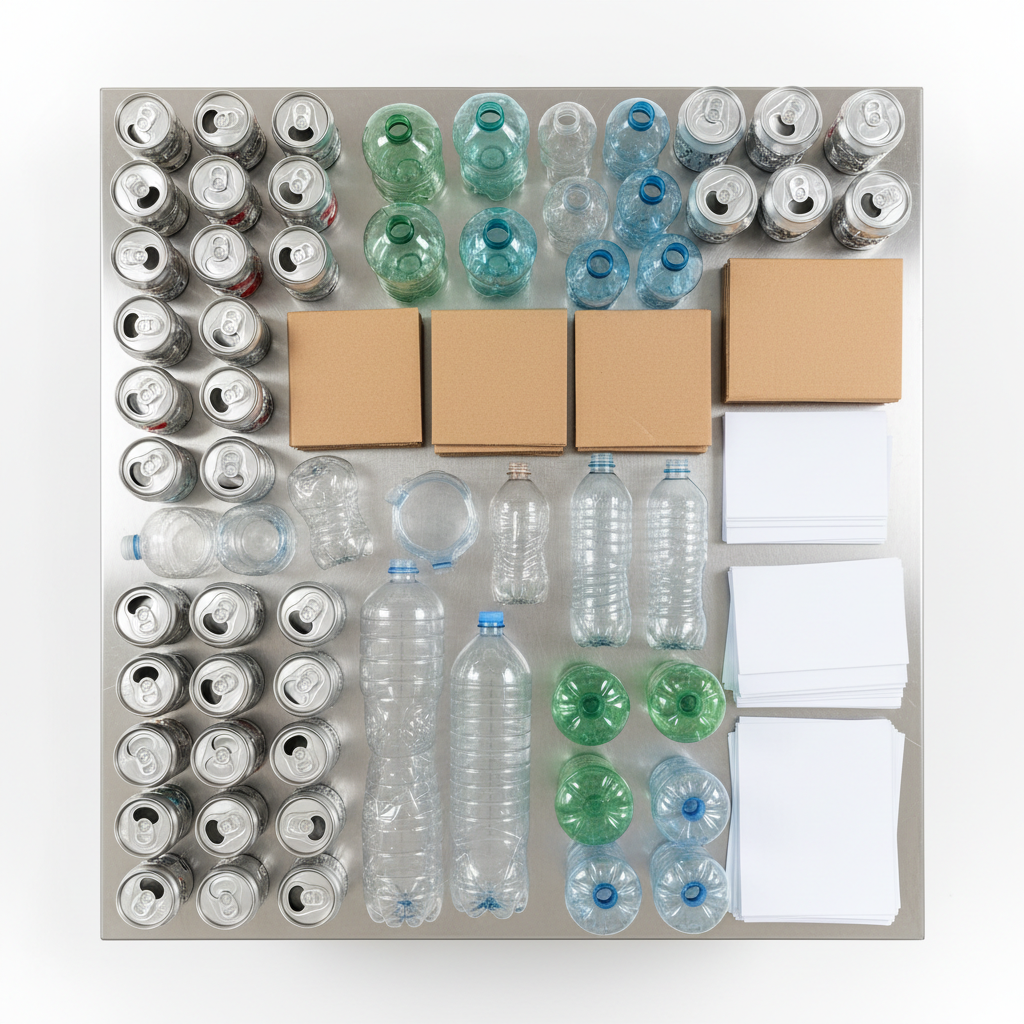
The legislative shifts in producer responsibility underscore a broader cultural change in how we view waste. As we look at the recycling changes 2026 will bring, the traditional framework has evolved to reflect a more circular economy. When residents ask, "What are the 5 R's of recycling?" the modern answer includes Refuse, Reduce, Reuse, Repurpose, and finally, Recycle. This hierarchy emphasizes preventing waste at the source rather than just managing it at the bin.
Material substitution is a primary driver of this transition. By 2026, manufacturers are increasingly moving away from hard-to-recycle plastics in favor of materials like aluminum, which currently sees high industrial demand due to its ability to be processed repeatedly without degradation. In Fillmore, practicing the first three Rs might mean Refusing single-use produce bags at the grocery store or choosing to Reuse glass jars for pantry storage. If an item cannot be repurposed for a new use, Recycling remains the final, essential step. Millard Recycling supports this by providing dependable recycling services that prioritize these high-value materials. By following these updated principles and checking our frequently asked recycling questions for material updates, you help ensure that local resources are used to their highest potential.
Sustainable Packaging and the War on Soft Plastics
Building on the shift toward material substitution, 2026 sustainable packaging trends are prioritizing mono-materials that are far easier to separate than the multi-layered plastics of the past. Soft plastics, including grocery bags, shrink wrap, and shipping pillows, remain the most significant hurdle for local processing facilities. These flexible materials frequently jam sorting equipment; this forces costly shutdowns and lowers the quality of other valuable streams like cardboard and paper.
As part of the broader recycling changes 2026 will bring, new legislation is putting pressure on retailers to phase out non-recyclable films or fund specialized recovery systems. For residents in Fillmore, the directive for soft plastics is clear: they must stay out of your standard recycling bins to prevent contamination. If these items are mixed with rigid plastics or paper, they can render an entire load unmarketable, undermining the community's environmental efforts.
Instead of curbside disposal, use retail drop-off points located at major grocery centers or consider specialized home compactors designed to prepare films for dedicated recovery streams. Millard Recycling maintains dependable recycling services by focusing on high-value, rigid materials that can be processed efficiently. Learning more about our environmentally conscious practices helps you distinguish between what belongs in the bin and what requires a specialized route. For a detailed list of flexible plastics that are currently excluded from curbside collection, please consult our frequently asked recycling questions.
What Stays the Same: The Golden Rules of Clean Recycling
While sophisticated technology and new packaging laws are foundational to the recycling changes 2026 brings, the underlying physics of material recovery remain constant. The success of Millard Recycling’s organized routing depends on three golden rules: items must be clean, dry, and loose. Moisture and residue from food containers can ruin an entire bale of cardboard, making it unmarketable and destined for a landfill.
Residents must avoid "wishcycling," which is the habit of placing non-recyclable items in the bin in hopes that they will somehow be processed. To keep the waste stream viable, certain items remain strictly prohibited: - Food waste (scraps, grease, or liquids) - Yard waste (grass clippings, branches, or dirt) - Contaminated materials (diapers, oily pizza boxes, or chemical containers)
These contaminants damage modern equipment and slow down the sorting process. By adhering to these standards, you support our dependable recycling services and ensure our facility remains efficient. For a complete list of what is currently accepted in Fillmore, please review our frequently asked recycling questions. Consistency in these fundamentals is what truly drives our about our environmentally conscious practices forward, protecting local resources for the long term.
How Millard Recycling Is Preparing Fillmore for the Future
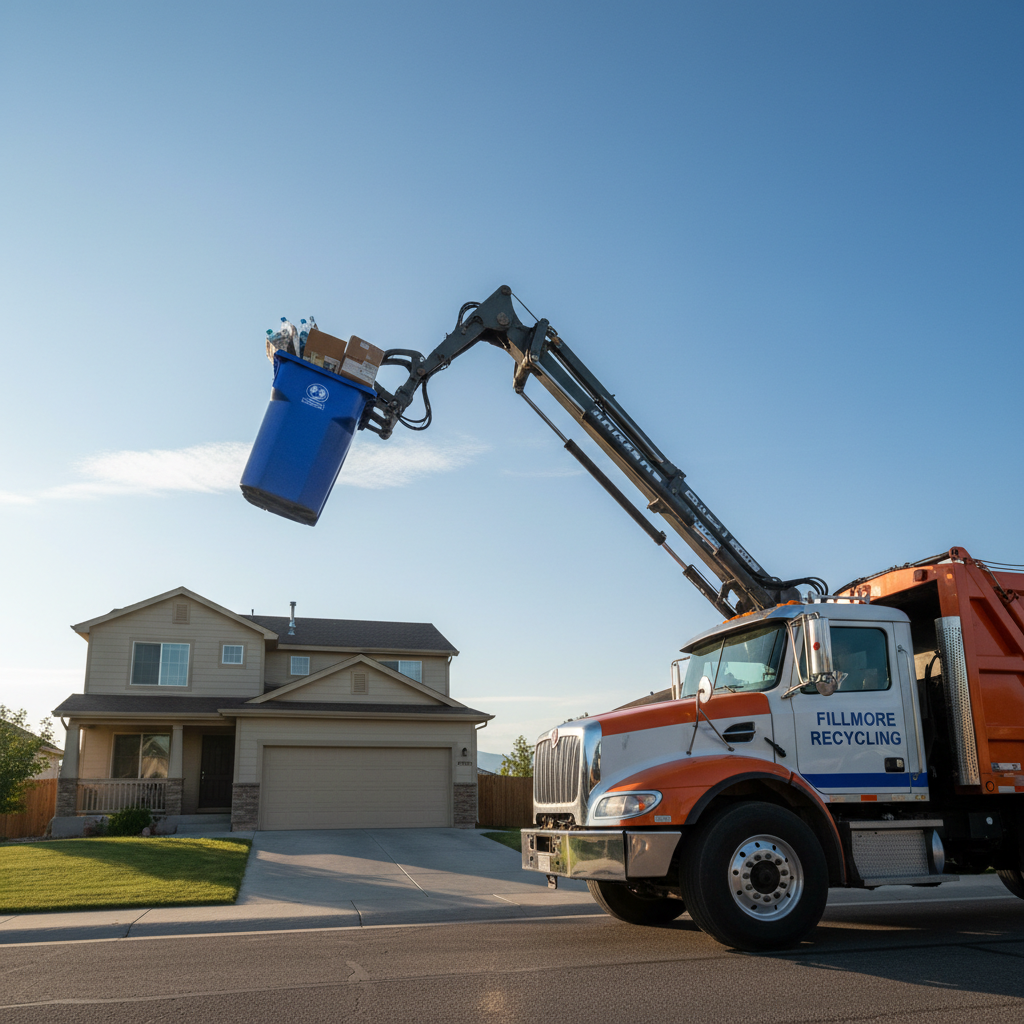
Maintaining consistency in sorting allows Millard Recycling to integrate broader technological updates into our local infrastructure. As we navigate the recycling changes 2026 introduces, our focus remains on providing accessible, reliable solutions that larger municipal programs often overlook in rural areas. We utilize modern collection equipment and organized routing to ensure Fillmore’s waste stream meets the high purity standards required by today’s secondary markets.
Our operations are built on clear service processes that simplify resource recovery for residents and businesses alike. By maintaining a localized facility in Fillmore, we reduce the carbon footprint associated with long-distance hauling while ensuring all materials are handled in compliance with evolving industry regulations. This commitment to about our environmentally conscious practices helps the community conserve local resources and promotes long-term environmental responsibility. Through dependable recycling services, we bridge the gap between national goals and local action. If you have questions about how our equipment handles specific materials, please consult our frequently asked recycling questions for the latest updates on our capabilities.
As we move toward 2026, staying informed about these shifting regulations is the best way to ensure your household remains sustainable. While adapting to new sorting protocols might feel like a challenge, these updates are vital for protecting the future of our Fillmore community. If you want expert help navigating these changes or simply wish to see how we support local families, you can learn more about our dedicated team and mission. We are always here to help you manage your recycling transition with ease and confidence.