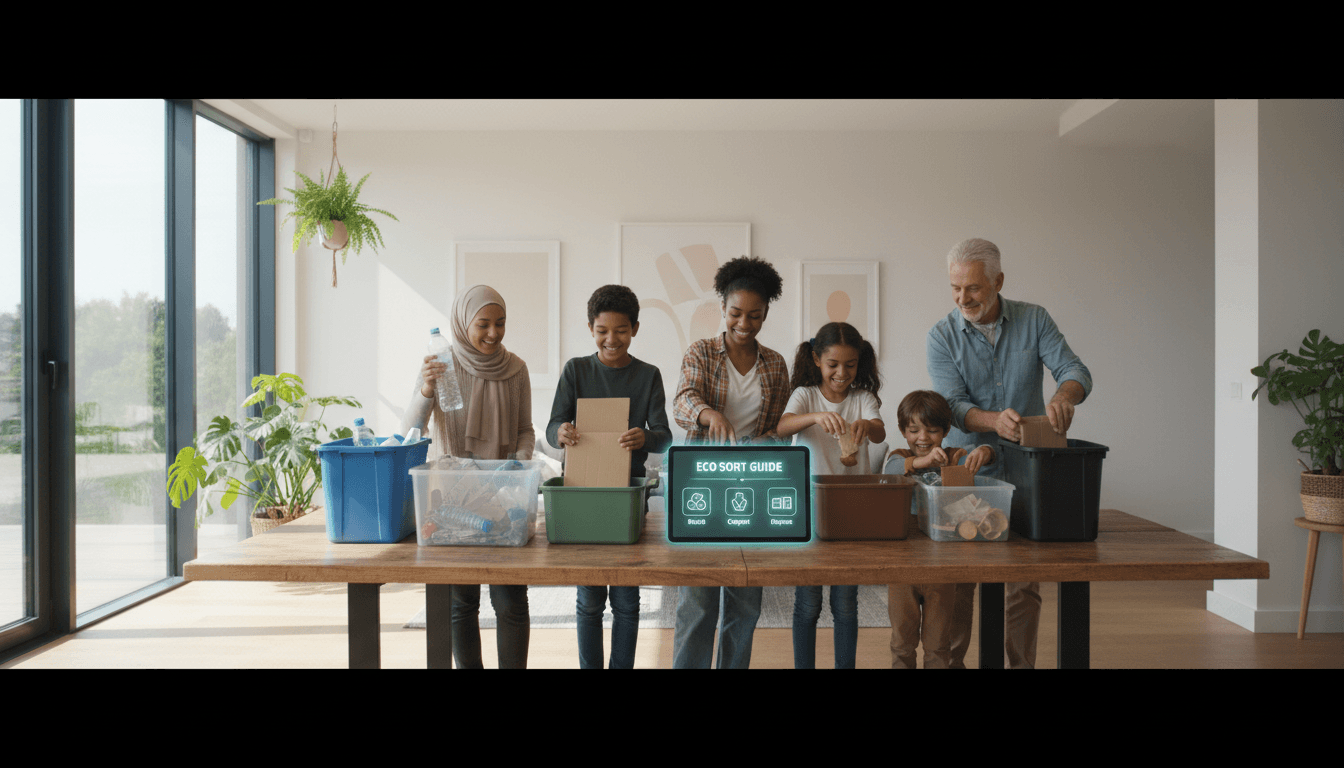
Learning how to set up a home recycling system starts with establishing designated sorting zones and using labeled bins to separate materials like paper, plastic, and glass. To ensure the habit sticks, place your recycling station next to your main trash bin to make disposal effortless; additionally, slim or stackable containers can optimize storage in smaller living areas.
Many homeowners in Fillmore start a recycling project with good intentions, only to find their kitchen counters buried under loose plastic and glass within a week. The frustration of an overflowing bin or the nagging uncertainty of what actually belongs in the stream often leads to a total system failure. At Millard Recycling, we understand that an effective program requires more than just a single blue bin; it demands a logical workflow tailored to our unique rural landscape. This guide provides a professional blueprint for a three zone sorting strategy that eliminates clutter and ensures your efforts contribute to a cleaner Utah. You will learn how to optimize your kitchen staging, navigate local sorting requirements to avoid common mistakes, and implement maintenance habits that make sustainability feel effortless. We are turning your household waste into a streamlined resource management operation.
Why Rural Recycling Requires a Different Strategy
Most advice on how to set up a home recycling system targets city dwellers in high-rise apartments. Those guides often suggest tiny bins that requires emptying every day because space is at a premium. In Fillmore and throughout Millard County, our challenges and opportunities are different. We typically have more square footage in our mudrooms, garages, or pantries, but we lack the high-frequency, daily collection found in major metropolitan areas.
A successful rural system must account for the physical distance and the specific logistics of our region. If you utilize dependable recycling services for curbside collection or manage your own trips to a drop-off center, your home setup needs to handle a larger volume of material without creating household clutter. The goal is to reduce friction so that the process becomes as automatic as tossing something in the trash.
Building a sustainable habit here requires a tiered workflow. This strategy bridges the gap between the point of generation, such as your kitchen, and the final collection point. By planning for larger storage capacities and organized transport, you ensure your recycling efforts remain efficient and compliant with local standards rather than becoming a chore that overwhelms your living space.
The Three Zone Strategy for Effective Home Sorting
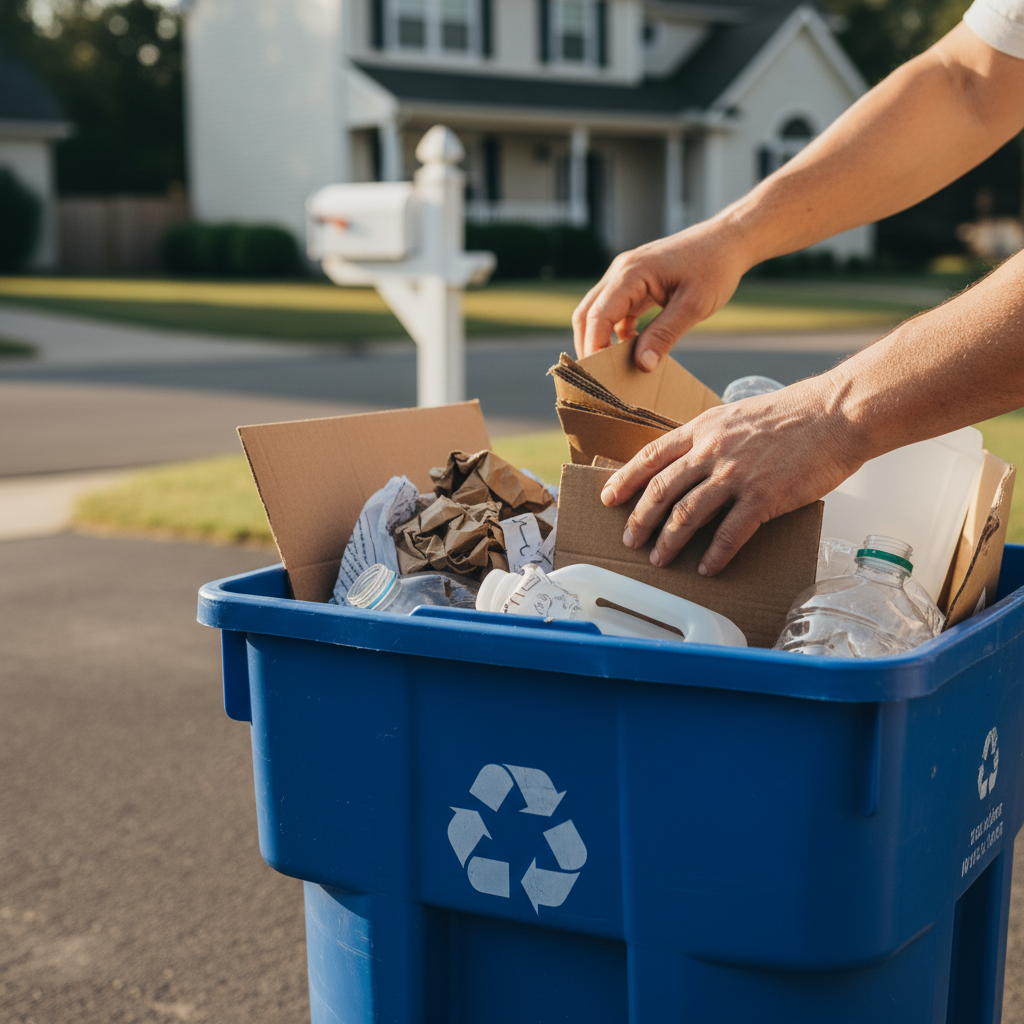
A successful recycling habit in Millard County relies on a tiered infrastructure that prevents clutter from overwhelming your living space. We recommend a Three Zone Strategy to organize the flow of materials from your hands to the processing facility. This structured approach helps residents manage larger volumes without the stress of constant maintenance.
Zone 1: The Point of Generation. Usually located in the kitchen or mudroom, this is where you perform the initial sort. It should be positioned within two steps of your main trash can to ensure immediate compliance.
Zone 2: The Staging Area. This is typically a garage, large pantry, or covered porch. It acts as a bulk storage buffer. Here, you transfer smaller loads from the kitchen into larger containers, allowing you to consolidate materials before they leave the property.
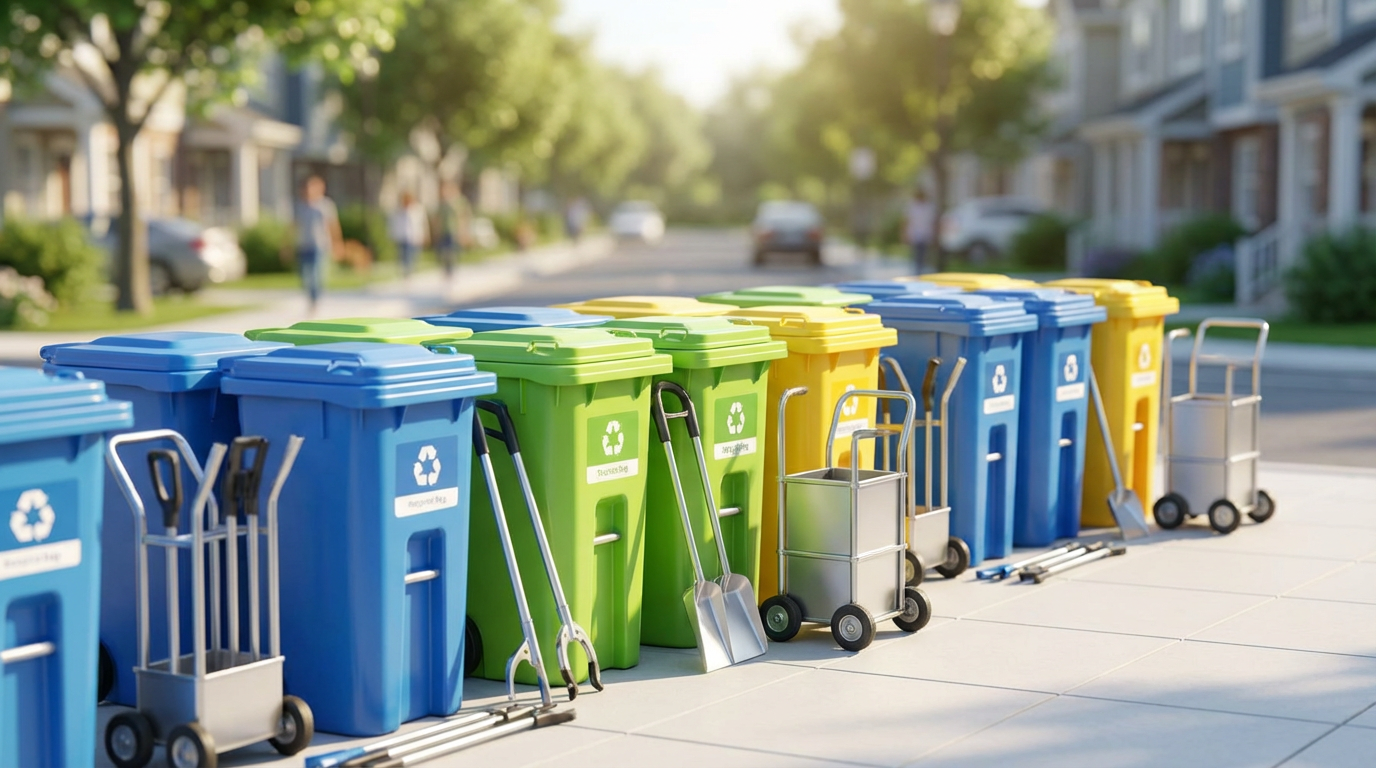
Zone 3: The Collection Point. This is the final stage, whether it is a bin designated for dependable recycling services at the curb or the back of a vehicle prepared for a trip to a local drop-off center.
Skipping Zone 2 is the most common reason home systems fail. Without a staging area, the small bins in the kitchen reach capacity almost daily. When the primary bin overflows and there is no intermediate place to store the excess, the system breaks down; most people simply start throwing recyclables in the trash out of frustration. Implementing a staging area allows you to learn how to set up a home recycling system that accommodates the physical space of a Utah home while maintaining a tidy interior.
Setting Up Zone 1: The Kitchen Command Center
Zone 1 is the foundation of your entire workflow. In a high-traffic area like the kitchen, efficiency depends on one simple rule: the recycling container must be within two steps of your primary trash can. If you have to walk across the room or open a separate door to dispose of a plastic bottle, the material will eventually end up in the landfill bin. This proximity is the secret to learning how to set up a home recycling system that remains consistent even during a busy dinner rush.
For those who prefer a streamlined look, dual-compartment trash cans are highly effective. These units feature side-by-side bins under one lid, making sorting a single-motion task. If you have cabinet space to spare, installing a pull-out wire rack with two 35-quart bins keeps recyclables out of sight while maintaining easy access.
Residents with limited floor space or smaller budgets can utilize stackable plastic bins, which maximize vertical area in a pantry or mudroom corner. A heavy-duty paper grocery bag tucked under the sink also serves as a simple, effective collector for clean paper and cardboard. Before you start tossing items in, review what can be recycled in Fillmore to ensure you are only collecting accepted materials. Once these indoor containers reach capacity, they are ready to be moved to your larger staging area for consolidated dependable recycling services.
Optimizing Zone 2: Garage and Mudroom Staging
The transition from the kitchen to the staging area is where many residents find their greatest efficiency. In Millard County, we have the distinct advantage of extra square footage in garages and mudrooms, allowing for a more robust setup than a cramped city apartment could ever support. A high-performing Zone 2 utilizes a simple utility shelving unit to hold clear, 18-gallon plastic totes. Using clear containers is a practical choice because it allows you to see at a glance when a bin is nearing capacity or if an incorrect item has been misplaced.
Label each tote clearly by material type, such as plastics #1 and #2 or aluminum, to match the requirements for dependable recycling services. To manage the inevitable influx of shipping boxes, develop a habit of flattening cardboard immediately. Rather than letting bulky boxes take up floor space, slide the flattened sheets behind your shelving unit or between the totes. This vertical storage keeps the area navigable and prevents cardboard from becoming a tripping hazard. By dedicating this specific space in your garage, you refine how to set up a home recycling system that handles larger volumes without encroaching on your daily living environment. This organized buffer ensures that when it is time to transport your materials, the process is as simple as grabbing the totes and loading them into your vehicle.
Utah Specific Sorting Rules to Avoid Wishcycling
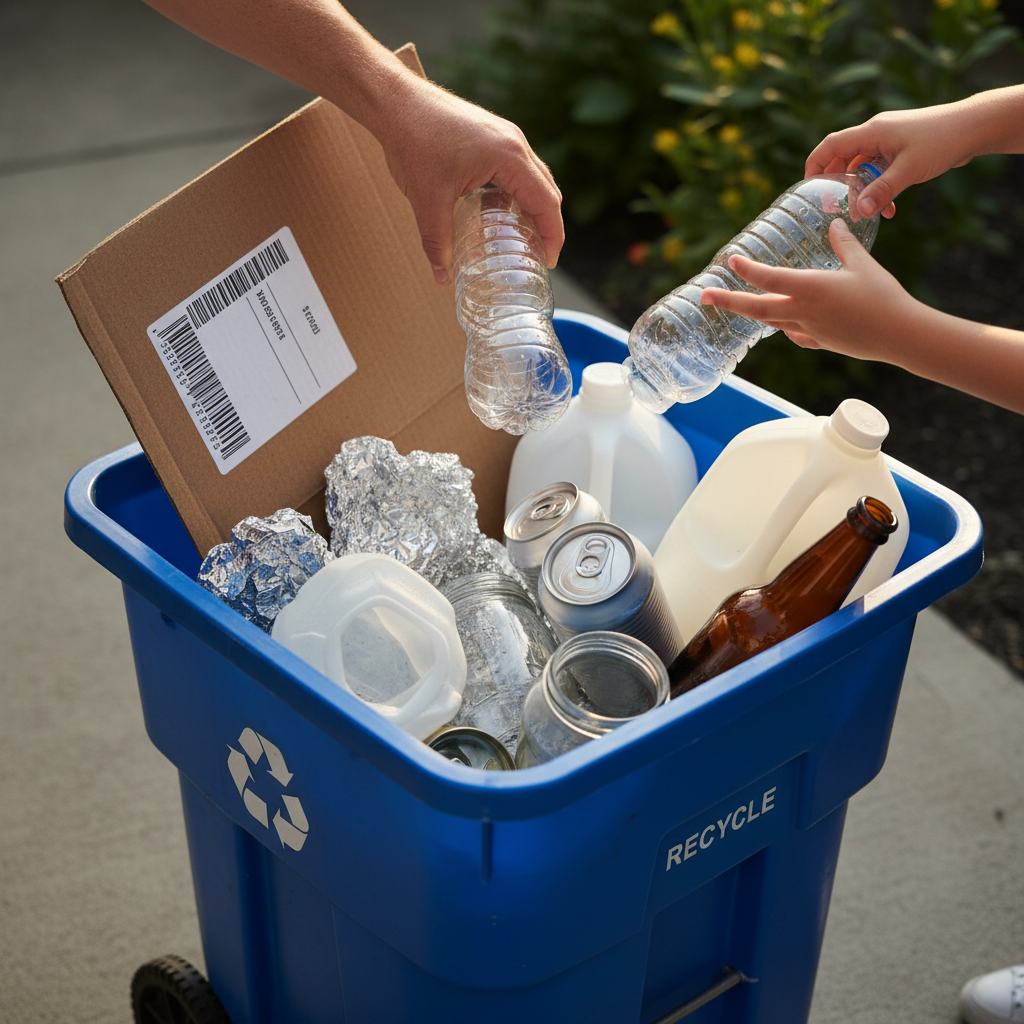
Sorting is where many households face their biggest hurdle. In Millard County, the most important rule is to avoid wishcycling, which is the practice of tossing questionable items into the bin in hopes that they will eventually be recycled. Wishcycling actually hinders the process; it contaminates high-quality materials and can cause an entire load to be sent to the landfill. A key step in mastering how to set up a home recycling system is adhering to the Clean, Dry, and Empty standard. A quick rinse to remove food residue ensures your materials stay marketable and do not attract pests in your Zone 2 staging area.
For residents utilizing dependable recycling services, focusing on high-value materials is the most effective strategy. Focus your efforts on these top ten items:
Corrugated cardboard (flattened)
Aluminum beverage cans
Steel or tin food cans
Plastic #1 (PET) bottles, such as water and soda containers
Plastic #2 (HDPE) jugs, including milk and detergent bottles
Newspaper
Junk mail and office paper
Magazines and catalogs
Cereal and cracker boxes, with the plastic liners removed
Phone books and softcover manuals
Equally important is knowing what to leave out. In Utah, plastic bags are a primary concern because they tangle in processing machinery and cause expensive downtime. Do not put grocery bags, plastic film, or bubble wrap in your bins. Similarly, greasy pizza boxes are not recyclable because the oil permeates the paper fibers. Only the clean top of the box should be saved; the oily bottom must go in the trash. Unless specifically collected in a separate stream, glass should also stay out of the standard bin to prevent breakage and contamination. For a full list of local requirements, consult the guide on what can be recycled in Fillmore or contact Millard Recycling if you are unsure about a specific material.
Maintenance Hacks to Keep Your System Clean
Controlling odors and preventing pests is the primary concern when managing indoor sorting. A simple three second rinse for food containers and soda cans eliminates the residue that attracts ants and creates unpleasant smells. Always remove caps from plastic bottles before adding them to your bin. This allows the containers to be crushed easily and ensures no leftover liquid remains trapped inside, which is a key part of maintaining dependable recycling services standards.
A clean system relies on a consistent schedule. We recommend a weekly sweep every Sunday night. Empty your Kitchen Command Center into the larger Garage Staging Area totes. This routine prevents Zone 1 from reaching capacity and keeps your primary living space fresh for the upcoming week. By establishing these small habits, you refine how to set up a home recycling system that remains sanitary rather than becoming a chore. If you notice persistent issues with specific materials, review the guide on what can be recycled in Fillmore to ensure you aren't storing items that belong in the trash. Consistent maintenance ensures that your staging area stays organized and ready for transport or pickup without any buildup of grime.
DIY Recycling Bin Ideas for a Custom Setup

Customizing your hardware ensures the workflow matches your daily habits without requiring a major financial investment. For a low-cost Zone 2 solution, consider repurposing old plastic milk crates. These are ideal for Millard County residents because they are durable enough for garage use and stackable to save vertical space. Their open grid design allows for airflow, which prevents moisture buildup, a common concern even after a quick rinse.
In smaller mudrooms where floor space is limited, hanging heavy-duty mesh laundry bags from sturdy wall hooks offers a vertical solution for lightweight items like aluminum cans. This keeps the floor clear and makes it easy to grab the bag and go when heading to dependable recycling services.
Aesthetics play a significant role in long-term success. If a system looks like a cluttered pile of waste, family members are more likely to treat it with less care. Building a simple wooden bin surround from scrap lumber or pallets can hide standard plastic totes, giving your staging area a finished, intentional look. When you are determining how to set up a home recycling system, remember that a professional-looking setup encourages everyone in the household to respect the process. If you need specific advice on bin sizes for certain materials, you can always contact Millard Recycling for guidance.
The Community Impact of Your Home Recycling System

Taking the time to understand how to set up a home recycling system contributes directly to the long term environmental health of Millard County. Every aluminum can and plastic jug sorted in your staging area helps Millard Recycling divert significant volume from regional landfills; this collective effort is a vital component of local resource management. When households provide clean, properly sorted materials, they ensure the economic and operational viability of our local programs.
Contaminated loads increase processing costs and can jeopardize the effectiveness of regional diversion goals. By adhering to the specific sorting standards required for dependable recycling services, you act as a frontline partner in maintaining a sustainable community. This level of individual discipline ensures that Fillmore remains clean and resource responsible for future generations. If you have questions about how your specific sorting habits impact the larger regional processing stream, you can always contact Millard Recycling to learn more. Your commitment to a functional home system scales up to a significant, positive impact on the entire community.