Residents can process aluminum cans, steel cans, metal bottle caps, and tin when looking at what can be recycled in Fillmore Utah. Local services managed by Republic Services also accept various plastics; however, specialized items like old appliances must be taken directly to the Millard County Landfill for proper disposal.
Tired of staring at your recycling bin and wondering if that specific plastic container or cardboard box actually belongs there? In Fillmore, Utah, local recycling guidelines can feel confusing; leading many residents to toss potentially reusable items in the trash out of caution. However, getting it right is essential for maintaining a sustainable Millard County. When we recycle correctly, we reduce landfill waste and support the local processing systems that keep our community clean. This guide provides a definitive look at exactly what Millard Recycling accepts. You will learn the three core rules of local recycling; get a clear list of accepted cardboard, cans, and plastics; and discover how to handle hard to recycle materials. Whether you are a homeowner or a local business owner, these practical tips will ensure your efforts make a real difference for our local environment.
Understanding the Three Core Rules for Recycling in Fillmore
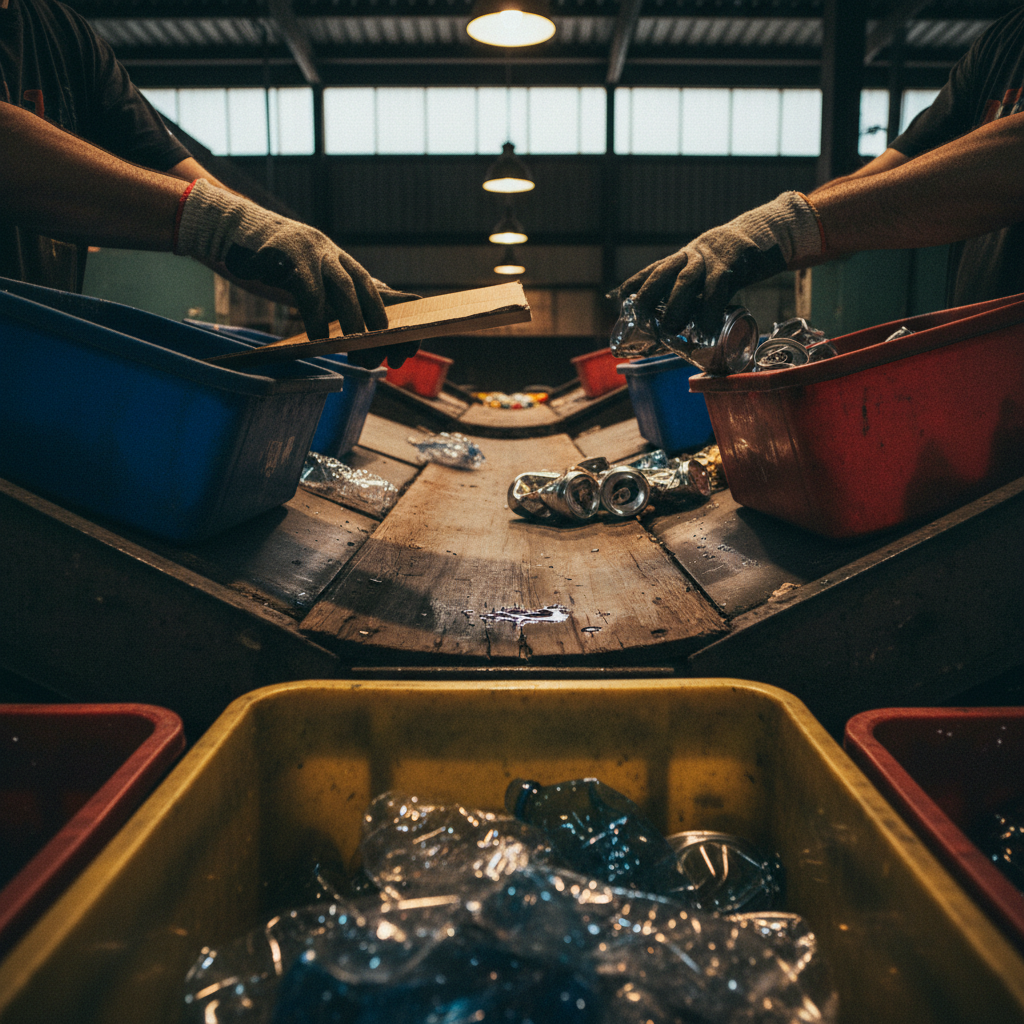
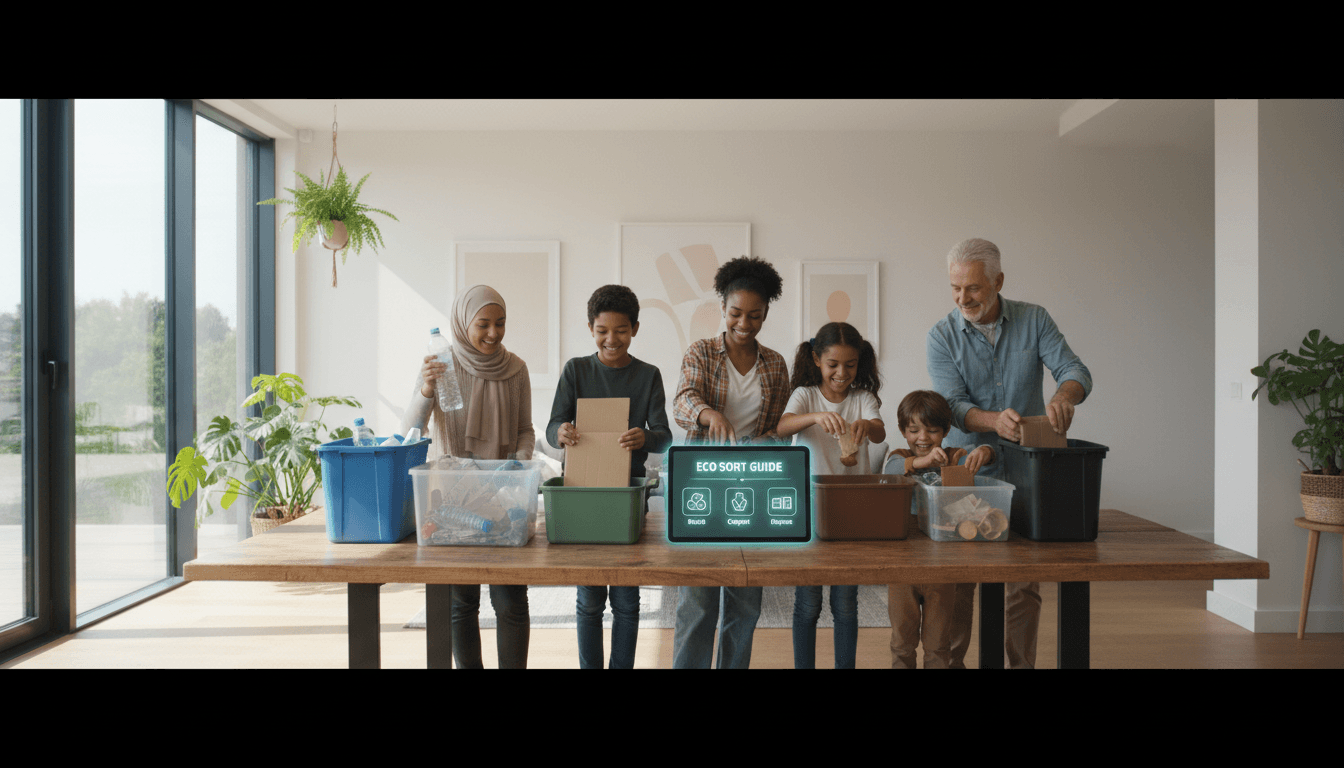
Understanding what can be recycled in Fillmore Utah starts with a commitment to quality over quantity. To ensure our local program remains effective, we follow three universal rules: keep it clean, keep it dry, and keep it loose. These fundamentals protect the integrity of the materials and ensure they can actually be repurposed.
When we talk about keeping it clean and dry, we mean that even a small amount of food residue or liquid can ruin an entire load of paper or cardboard. In rural Utah communities like ours, efficient sorting is vital. Because we operate away from large metropolitan processing hubs, maintaining a high standard of cleanliness helps keep local costs down and ensures our environmental impact remains high. This collective effort keeps the Pahvant Range and our surrounding valleys free from unnecessary waste.
We also encounter a common issue known as wish-cycling. This occurs when someone places an item in the bin hoping it is recyclable, even if it is not. Wish-cycling often leads to contamination, which can force an entire truckload of good material into the landfill. Furthermore, recyclables must always be left loose in the bin. Plastic bags are the primary enemy of sorting equipment and should never be used to bundle your items.
By offering dependable recycling services, we strive to make recycling simple and safe for every resident and business. If you ever have a question about a specific material, please contact our team to ensure it belongs in the bin. Proper sorting today protects our community's resources for tomorrow.
Cardboard, Cans, and Plastics: Your Fillmore Acceptance List
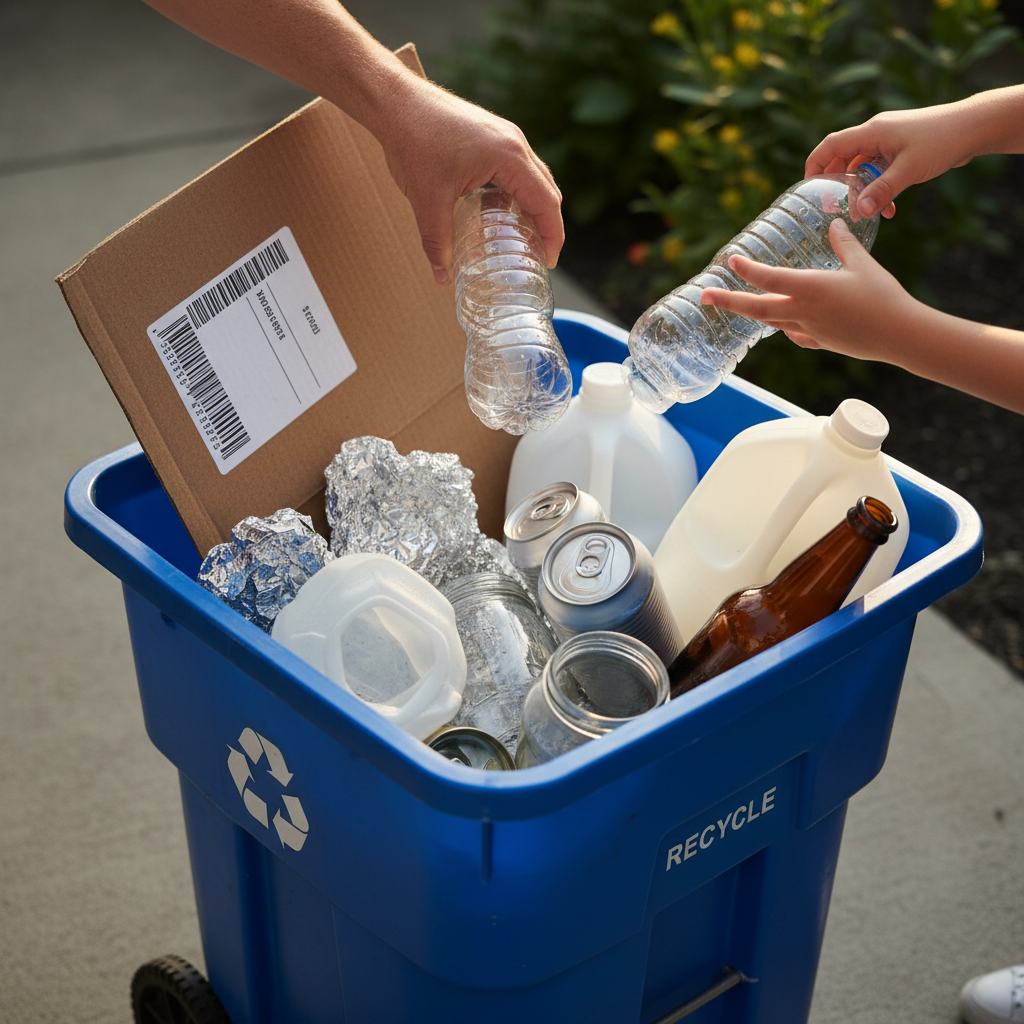
Identifying exactly what can be recycled in Fillmore Utah helps streamline our local sorting process and ensures that materials reach a secondary market. While large cities might have complex sorting plants for every type of plastic, our focus in Millard County remains on high quality, high demand materials that can be processed efficiently within our regional infrastructure.
Paper and cardboard make up the largest portion of our local recycling stream. This includes corrugated shipping boxes, cereal boxes, junk mail, and newspapers. To maximize space and ensure recycling simple and safe, always flatten your boxes before disposal. Large, unflattened boxes take up excessive room in collection bins and transport vehicles, which increases the frequency of necessary pickups and reduces overall efficiency. Regarding the common query, "Can books go in the recycle bin?", the answer depends on the binding. Softcover books are fully recyclable. However, the heavy glue and fabric used in hardcover bindings contaminate the paper pulping process. Please remove the covers and spines from hardback books before recycling the interior pages, or consider donating them if they are still in good condition.
Metals are among the most valuable materials we collect for reprocessing. We accept aluminum beverage cans as well as steel or tin food cans. These items must be rinsed to remove any organic residue. A quick rinse prevents odors and ensures the metal is clean enough for the smelting process. While you do not need to remove paper labels from soup or vegetable cans, ensuring they are completely empty is a requirement for our dependable recycling services.
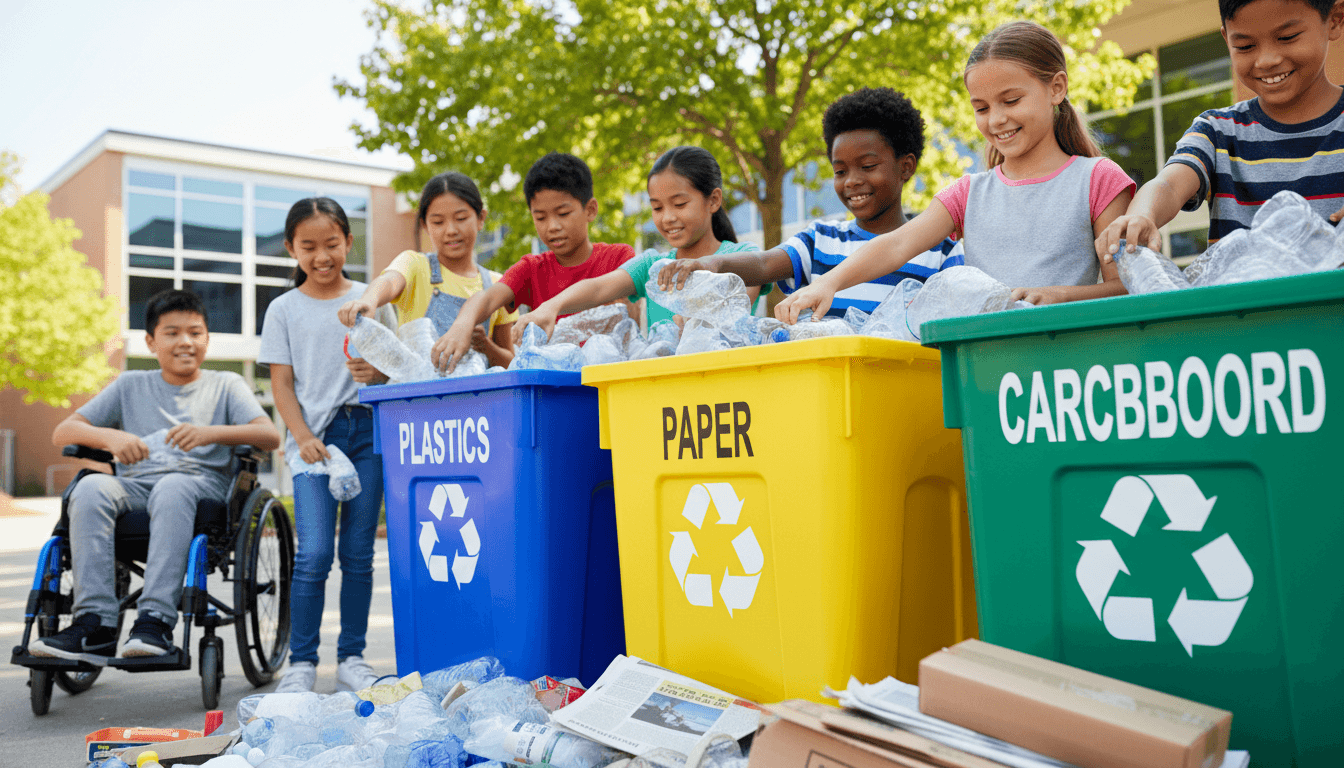
Plastics require the most attention because of the chasing arrows symbols found on the bottom of containers. In Fillmore, we prioritize #1 (PET) and #2 (HDPE) plastics. These typically include water and soda bottles, milk jugs, and laundry detergent containers. While national lists often suggest that #3 through #7 plastics are recyclable, these materials are significantly harder to process in rural areas due to the lack of specialized regional buyers. Focusing on #1 and #2 containers ensures that our program remains sustainable and effective for the long term. If you have questions about a specific container, please contact our team before placing it in the bin.
Common Contaminants: What to Keep Out of Your Recycling Bin
Maintaining the integrity of our local stream requires vigilance against common contaminants that often find their way into bins. The most frequent issue we encounter is plastic bags and film. While these often feature a recycling logo, they are the number one cause of machinery failure. They wrap around the rotating screens and gears of sorting equipment, forcing entire facilities to shut down for dangerous manual removal. If you have plastic grocery bags, return them to a local retail drop-off or place them in the trash.
Styrofoam, or expanded polystyrene, is another major contaminant. Even if a container displays the chasing arrows symbol, it cannot go in your bin. It is lightweight, breaks into microscopic pieces that pollute the sorting floor, and currently lacks a viable regional market for processing. There is also a persistent rumor that big-box retailers like Home Depot accept Styrofoam for recycling. In reality, while some locations offer specialty collection for items like CFL light bulbs or rechargeable batteries, they do not accept general Styrofoam drop-offs. For accurate guidance on what can be recycled in Fillmore Utah, it is best to rely on local standards rather than national myths.
Food waste and liquids are equally problematic. A half-full soda bottle or a jar with residual peanut butter can ruin hundreds of pounds of clean paper. This is specifically why greasy pizza boxes require careful handling. If the top lid of the box is clean and dry, it can be recycled. However, the bottom half of the box, which is usually saturated with grease and cheese, must be discarded. The oils in the grease prevent paper fibers from binding during the pulping process, rendering the material useless.
It is important to distinguish between what is recyclable in theory and what is recyclable in Fillmore's current infrastructure. While many complex materials are technically capable of being repurposed, the logistics of rural collection mean we must focus on materials with established, reliable processing paths. By following these guidelines, you help keep our dependable recycling services efficient. If you are ever unsure about a specific item, please contact our team to keep recycling simple and safe for everyone in Millard County.
Handling Hard to Recycle Items in Millard County
Understanding the limits of standard collection is just as important as knowing what can be recycled in Fillmore Utah. Some materials require specialized processing that residential and commercial sorting equipment cannot provide. Millard County government guidelines specify that bulky items, such as old appliances and electronics, must be managed through the Millard County Landfill or dedicated specialty collection events rather than curbside bins. Appliances containing refrigerants, such as refrigerators and air conditioners, require certified extraction to prevent chemical leaks before the metal components can be reclaimed.
Hazardous materials demand strict adherence to disposal protocols to protect our local groundwater and soil. For automotive fluids like used motor oil, many local auto parts stores provide collection tanks for public use. Compact fluorescent lamps (CFLs) contain trace amounts of mercury and should be taken to designated drop-off points, often found at regional home improvement stores, rather than being discarded with general waste.
Item Type | Recommended Disposal Method |
|---|---|
Electronics & E-Waste | Millard County Landfill / Specialty Collection |
Household Batteries | Specialized Battery Recycling Points |
Used Motor Oil | Local Auto Parts Stores |
Refrigerant Appliances | Landfill (Specific extraction required) |
Batteries represent a significant safety concern; lithium-ion and lead-acid batteries pose fire risks in collection trucks and should be delivered to specialized hazardous waste facilities. While Millard Recycling focuses on streamlining your daily waste stream, we are committed to making all forms of recycling simple and safe for our community. If you are handling an unusual item not found on our standard list, please contact our team. We can provide guidance or direct you to the appropriate county resource to ensure your disposal methods support our dependable recycling services and stay compliant with industry safety standards.
Commercial Recycling Solutions for Fillmore Businesses
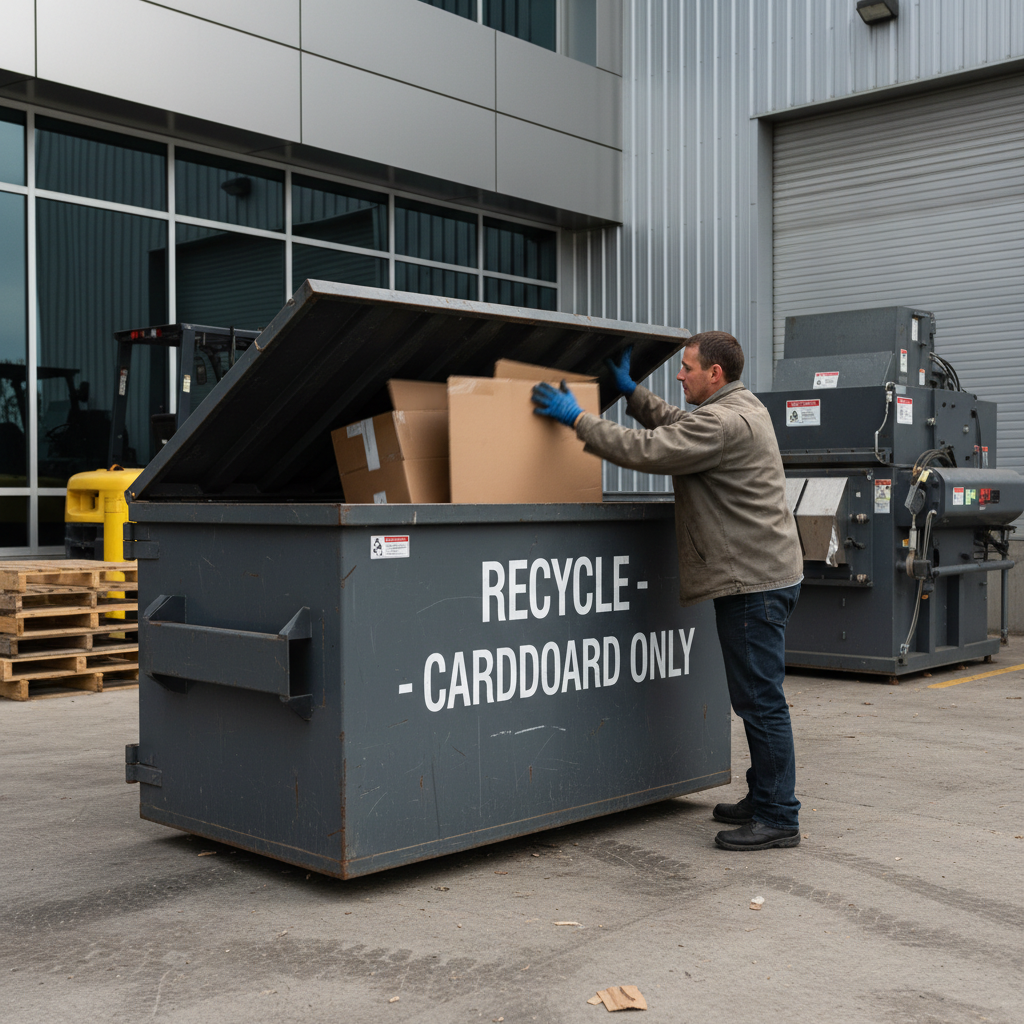
Commercial operations in Fillmore and Delta generate waste at a scale that requires more than just a standard bin. Businesses often ask what can be recycled in Fillmore Utah to streamline their back-of-house operations while maintaining local compliance. Unlike residential services, commercial recycling focuses heavily on high-volume materials, particularly corrugated cardboard from shipments and mixed office paper from administrative tasks.
We provide dependable recycling services designed to handle these larger loads through organized routing and modern equipment. This systematic approach ensures that loading docks stay clear and that materials are handled according to industry safety standards. For local retailers and organizations, the goal is to keep recycling simple and safe without disrupting daily workflows.
Implementing a commercial program helps businesses reduce their environmental footprint and manage disposal costs more effectively. Our processes prioritize clear communication and reliable pickup schedules, which are essential for maintaining a clean and professional workspace. By focusing on efficient collection and proper handling, we help local enterprises stay compliant with environmental standards. If your organization needs a tailored plan for cardboard or paper management, contact our team to discuss a schedule that fits your specific volume requirements.
How Millard Recycling Supports Our Local Environment
Beyond the operational benefits for businesses, these efforts contribute to the broader health of our region. Choosing a local partner ensures that the resources we recover stay within a system that directly benefits our immediate area. National conglomerates often lack the granular knowledge of our local geography and regional processing limitations. By prioritizing environmentally conscious practices, we reduce the volume of waste entering the Millard County Landfill and extend the life of our local infrastructure.
Maintaining a clean community requires more than just picking up bins; it involves a deep commitment to industry standards and local accountability. When residents and businesses understand what can be recycled in Fillmore Utah, they become active participants in protecting our shared water and soil. Our dependable recycling services focus on making recycling simple and safe for every household and storefront. This dedication to local oversight ensures that we remain compliant with environmental regulations while fostering long-term resource conservation. To discuss how we can support your specific environmental goals, contact our team for personalized assistance.
Understanding local recycling guidelines is the first step toward a cleaner Fillmore. By properly sorting your materials, you contribute to a more sustainable community and protect our unique environment. While these basics help every resident get started, managing larger volumes of scrap or specific materials can be a challenge. If you want expert help navigating the complexities of local waste management, we are here for you. You can learn more about our dedicated team and local services to see how we simplify the process for everyone.