Residents can manage yard waste recycling Fillmore Utah by utilizing designated city collection programs, drop-off facilities, or sustainable home practices like composting and mulching. Proper disposal during fall cleanup prevents environmental hazards and keeps organic materials out of landfills; additionally, residents should monitor local schedules for specific leaf and debris pickup dates.
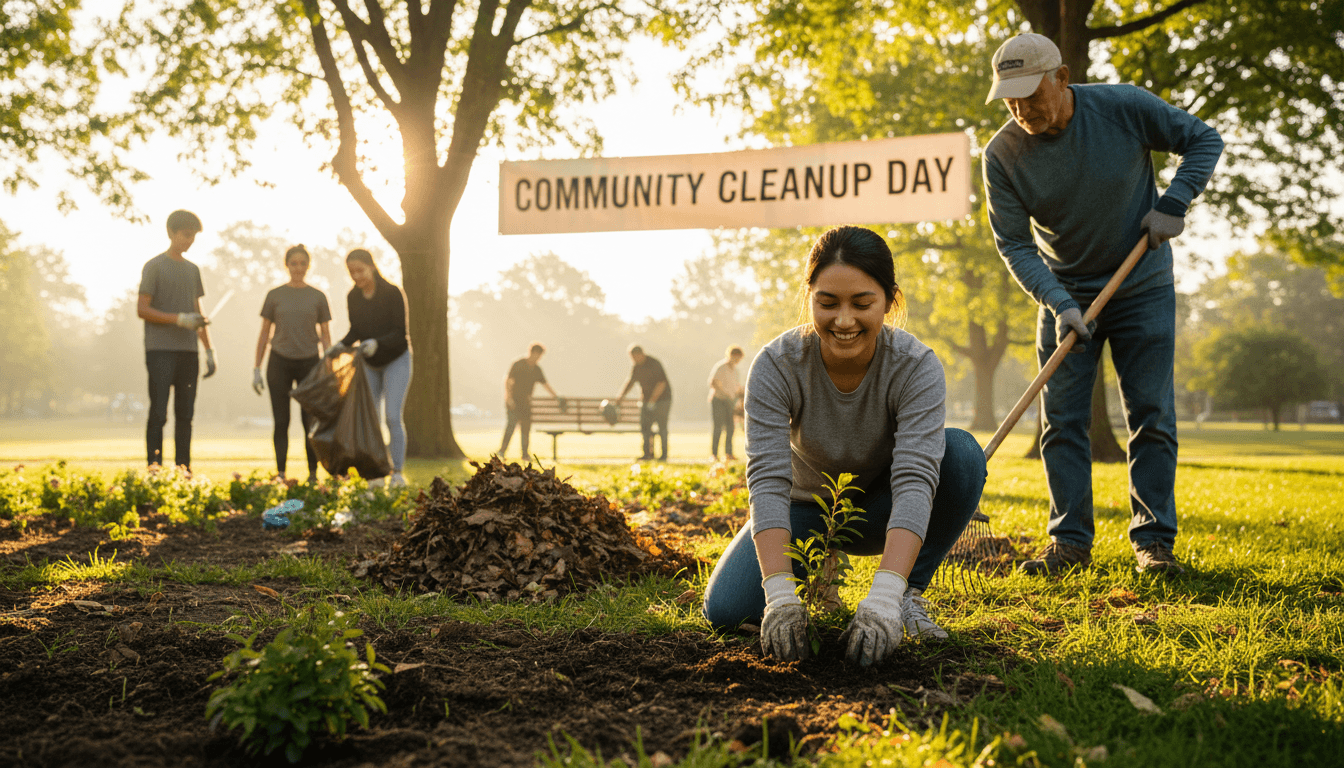
As autumn settles into Fillmore, Utah, the beautiful changing leaves quickly transform into a logistical headache for local homeowners. Managing massive piles of grass clippings, brittle branches, and seasonal cardboard can easily overwhelm a standard residential trash bin, leaving many residents wondering where the overflow should go. Proper yard waste recycling is essential for maintaining your property and staying compliant with Millard County regulations. In this guide, we will provide expert insights into the legalities of leaf disposal, the best practices for handling woody debris, and the most efficient ways to manage large volumes of organic waste. You will learn how to streamline your fall cleanup while identifying the most affordable options for professional removal, ensuring your yard remains clear without the stress of improper disposal.
The Seasonal Challenge of Yard Waste in Rural Utah
As the colors shift across the Pahvant Range, residents in Fillmore begin the heavy lift of preparing properties for winter. In our rural landscape, the transition from summer growth to the dormant season produces a significant volume of organic debris. Unlike the suburban blocks of Salt Lake City or Ogden, where standardized brown bins are a fixture of every driveway, yard waste recycling Fillmore Utah requires a more specialized approach. Large lots and a higher density of mature trees mean that the sheer scale of debris often exceeds what a standard residential bin can handle.
Properly managing this material is more than just an aesthetic choice. Accumulated piles of dry leaves and dead brush become significant fire hazards in our high-desert climate, especially during late autumn dry spells. Furthermore, uncollected organic matter frequently clogs local drainage systems, leading to localized flooding during the first heavy snowmelt or rainstorm. The volume of fallen leaves and dead brush can quickly become unmanageable without a clear strategy for removal.
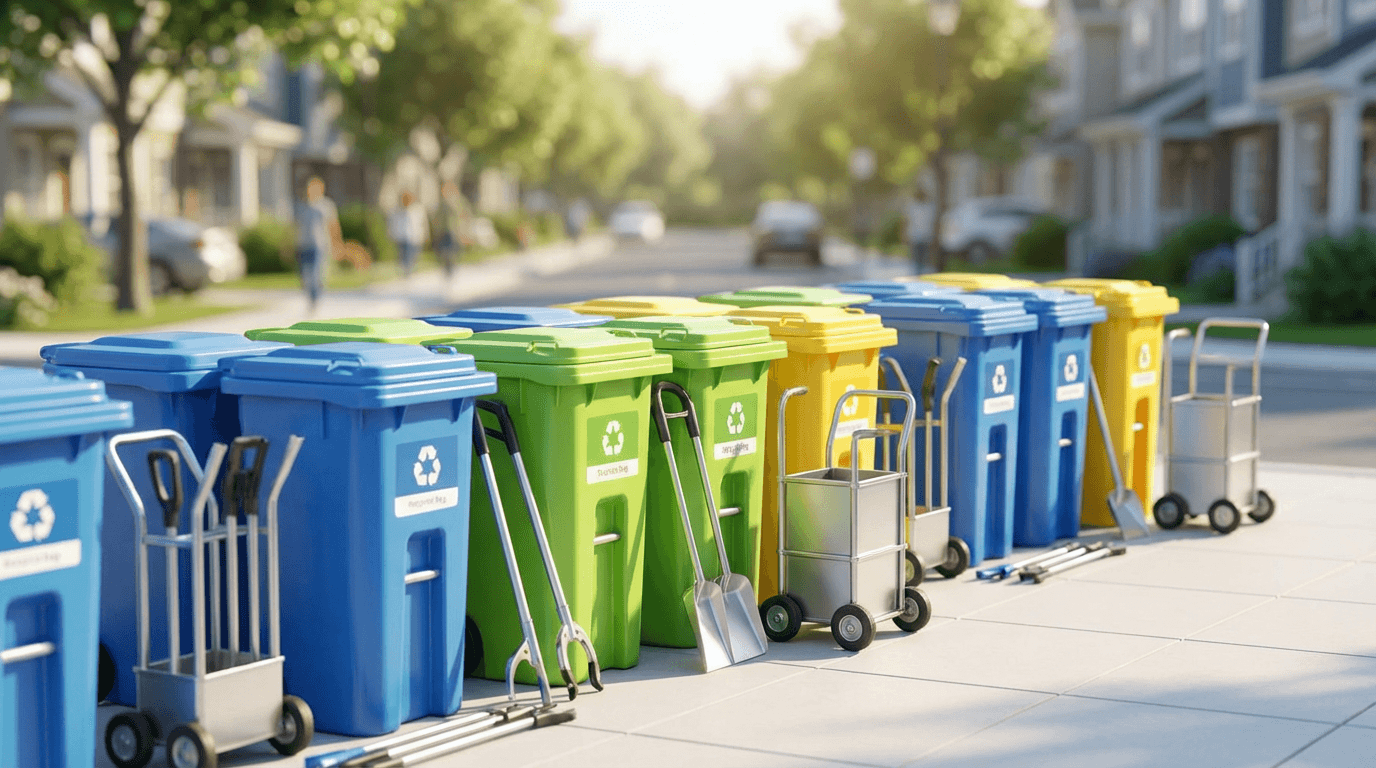
Managing these volumes effectively requires an understanding of Millard County logistics. The vast distances between properties and the lack of automated municipal green-waste programs make professional collection essential. Millard Recycling provides dependable recycling services tailored to the specific needs of our community. By utilizing organized routing and modern equipment, we bridge the gap between rural necessity and environmental responsibility. We ensure that your fall cleanup stays on schedule while complying with local recycling rules in Utah, helping you transition into the winter months safely and efficiently.
Is it Legal to Put Leaves in Your Garbage Can in Fillmore?
Technically, residents in Fillmore are permitted to place leaves in their standard garbage cans, but doing so is often the least efficient disposal method. Local waste management guidelines generally encourage the separation of organic debris from general household trash to preserve landfill capacity. When organic materials are buried in a landfill, they decompose without oxygen. This process produces methane gas, a potent byproduct that complicates landfill management and contributes to environmental strain that affects all of Millard County.
Logistical challenges specific to our local climate also make this practice problematic. Fillmore is prone to significant wind gusts that can easily catch loose debris during the collection process or blow it out of open bins. If you must use residential cans for very small amounts of debris, the material should be bagged or secured to prevent littering the community. However, for the large volumes typical of a Pahvant Range autumn, these bags quickly consume all available bin space, leaving no room for actual household trash.
Choosing dependable recycling services for your yard waste recycling Fillmore Utah is the more responsible community choice. It ensures that local recycling rules in Utah are followed while keeping organic matter out of the landfill. By diverting these materials, you support a system that processes waste safely and compliantly, preserving our local environment for the long term.
Effective Management of Leaves and Grass Clippings
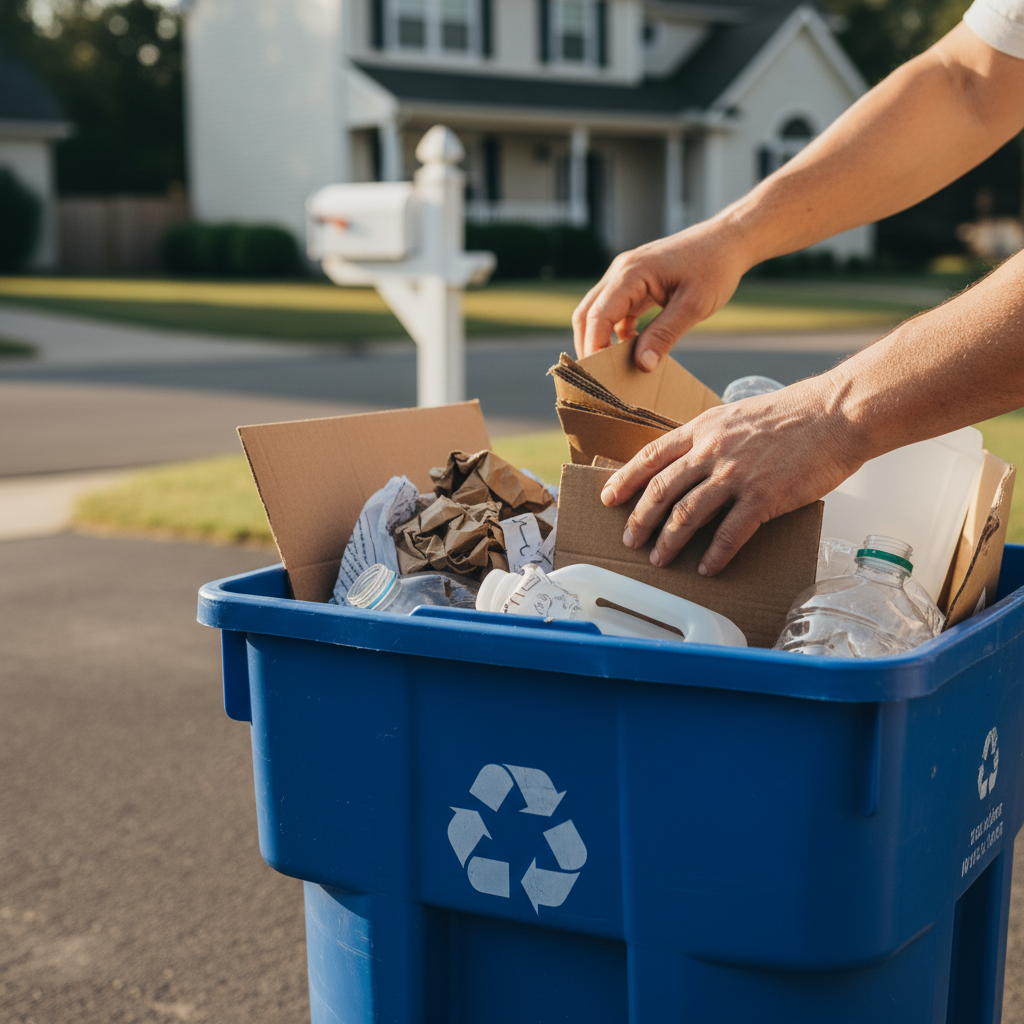
Managing the sheer volume of organic matter during a Fillmore autumn requires a tiered strategy based on volume. For light leaf cover, the most practical approach is mulching. By using a mulching mower to shred leaves into tiny pieces, you allow them to settle between grass blades, where they decompose and return essential nutrients like nitrogen and carbon to the soil. This eliminates the need for raking and provides a natural fertilizer for the spring.
For residents with active gardens, composting is an excellent secondary option. Mixing green grass clippings, which provide nitrogen, with dry leaves, which provide carbon, creates a balanced environment for decomposition. However, home composting has physical limits. A typical backyard bin cannot process the hundreds of pounds of debris generated by large rural properties without becoming a breeding ground for pests or producing unpleasant odors. When your yard waste exceeds the capacity of a standard home pile, it is time to transition to professional dependable recycling services.
When preparing large volumes for yard waste recycling Fillmore Utah, avoid using plastic bags. Plastic film is a major contaminant that ruins the quality of the organic stream and often results in entire loads being diverted to the landfill because the material cannot be efficiently separated. If you must bag material, use heavy duty paper lawn bags which are biodegradable, or keep the waste loose for mechanical collection. Following these recycling rules in Utah ensures that your organic waste is actually repurposed rather than sitting in a plastic shell at the bottom of a landfill for decades.
Handling Tree Branches and Woody Debris Safely
Managing heavier woody debris requires a different mechanical approach than raking leaves. Small brush, such as hedge trimmings and thin fruit tree suckers, can often be handled alongside lighter yard waste. However, large limbs from cottonwoods or elms require specific preparation to ensure they are safe for transport and processing. For efficient yard waste recycling Fillmore Utah, residents should cut all branches into manageable lengths, ideally no longer than four feet. Once cut, bundling these pieces with biodegradable twine prevents them from shifting during transit and protects workers during the collection process.
Relying on residential burn piles is increasingly problematic in Millard County. Local fire ordinances in Fillmore often restrict open burning based on seasonal dryness and atmospheric air quality. Beyond the legal risks, burning releases particulate matter into the local air shed and carries the danger of spot fires in our high-desert environment. Professional chipping serves as a safer alternative, converting bulky wood into stable organic matter. By utilizing dependable recycling services, you eliminate the fire risk associated with large debris piles while staying compliant with current recycling rules in Utah. If you have limbs exceeding a few inches in diameter, ensuring they are cut to the standard four-foot length is the most effective way to prepare for professional pickup and processing.
The Rise of Cardboard Waste During Fall Cleanups
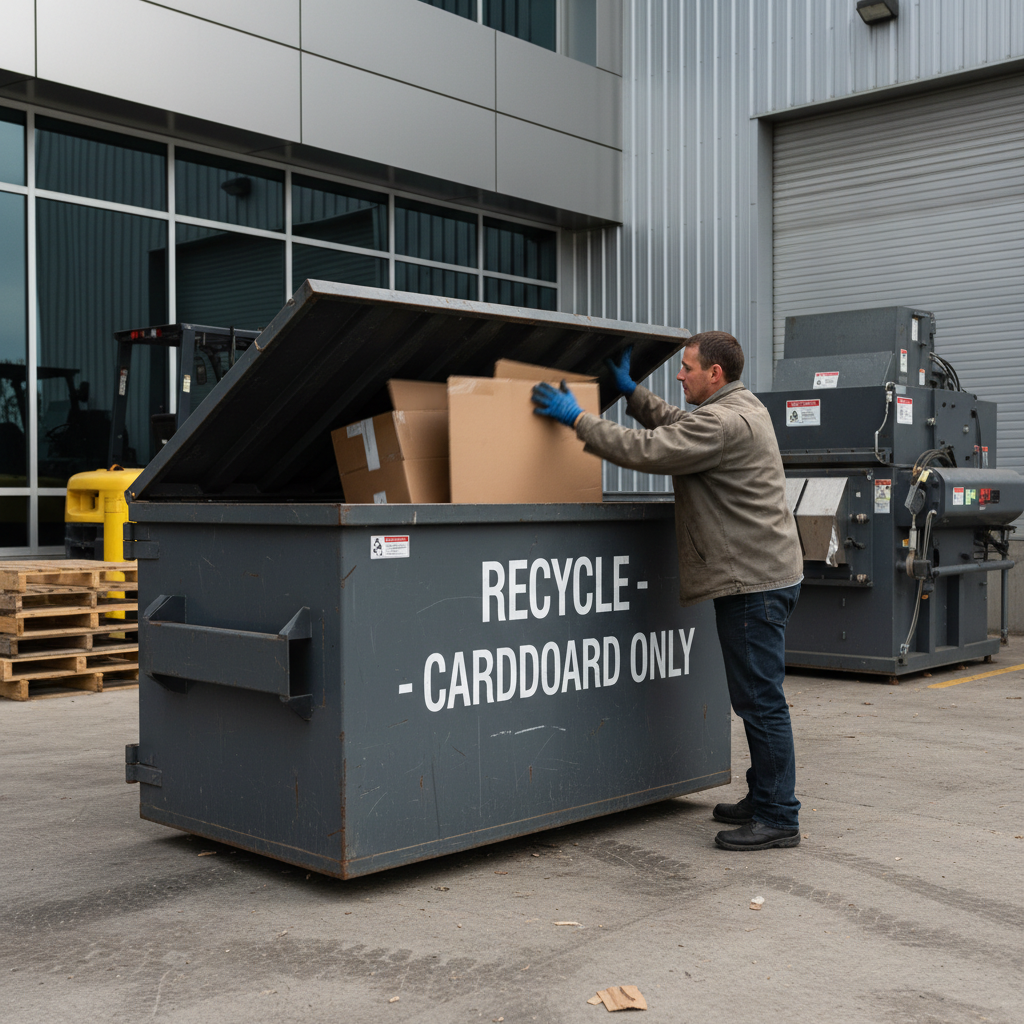
While clearing dead branches and brush, many Fillmore residents realize their garages are simultaneously filling with cardboard from back-to-school supplies and early holiday orders. This seasonal overlap makes cardboard management a vital component of any comprehensive fall cleanup. Cardboard is a highly valuable resource, but its utility depends entirely on proper preparation before it reaches our facility. Integrating paper products into your yard waste recycling Fillmore Utah routine helps maximize your cleanup efficiency and keeps your property organized before the first snow.
To ensure your cardboard is accepted and processed correctly, follow these specific preparation steps:
Remove all packing materials: Take out all plastic film, bubble wrap, and Styrofoam inserts, as these require separate handling.
Strip the tape: While small amounts of adhesive are manageable, removing long strips of plastic tape improves the final pulp quality.
Flatten every box: Break down the seams so boxes lie completely flat. This saves significant space in transport and prevents wind from catching boxes during handling.
Keep it dry: Wet cardboard loses its structural integrity and can become moldy, which often renders it unrecyclable.
Following these recycling rules in Utah ensures that these materials can be diverted from the landfill. By utilizing dependable recycling services, you help turn shipping waste into new products rather than household clutter. For larger volumes accumulated during a major property cleanup, contact Millard Recycling to coordinate the most efficient disposal method for your specific needs.
Common Fall Recycling Mistakes to Avoid in Millard County
As you clear out the last of the summer garden, it is easy to fall into the trap of "wishcycling." This occurs when residents place non-organic items into their debris piles, hoping they can be processed alongside natural materials. In Millard County, the most frequent offenders are old garden hoses, plastic nursery planters, and broken decorative rocks. While these items originate in the yard, they are not biodegradable. Hoses are particularly hazardous because they act as "tanglers," wrapping around moving parts in processing machinery. Rocks, even small decorative ones, can cause catastrophic mechanical damage to industrial grinders and chippers.
Contamination is a serious hurdle for yard waste recycling Fillmore Utah. When non-organic materials are mixed with leaves and branches, the entire load may be rejected at the processing site. This rejection forces the material into a landfill, which increases operational costs and wastes community resources. Adhering to recycling rules in Utah ensures that our dependable recycling services remain efficient and cost-effective for everyone. Before finalizing your cleanup, verify that only organic matter is included. If you are unsure about a specific item, contact Millard Recycling to prevent contamination before it starts.
Finding the Cheapest Way to Remove Large Yard Waste Piles
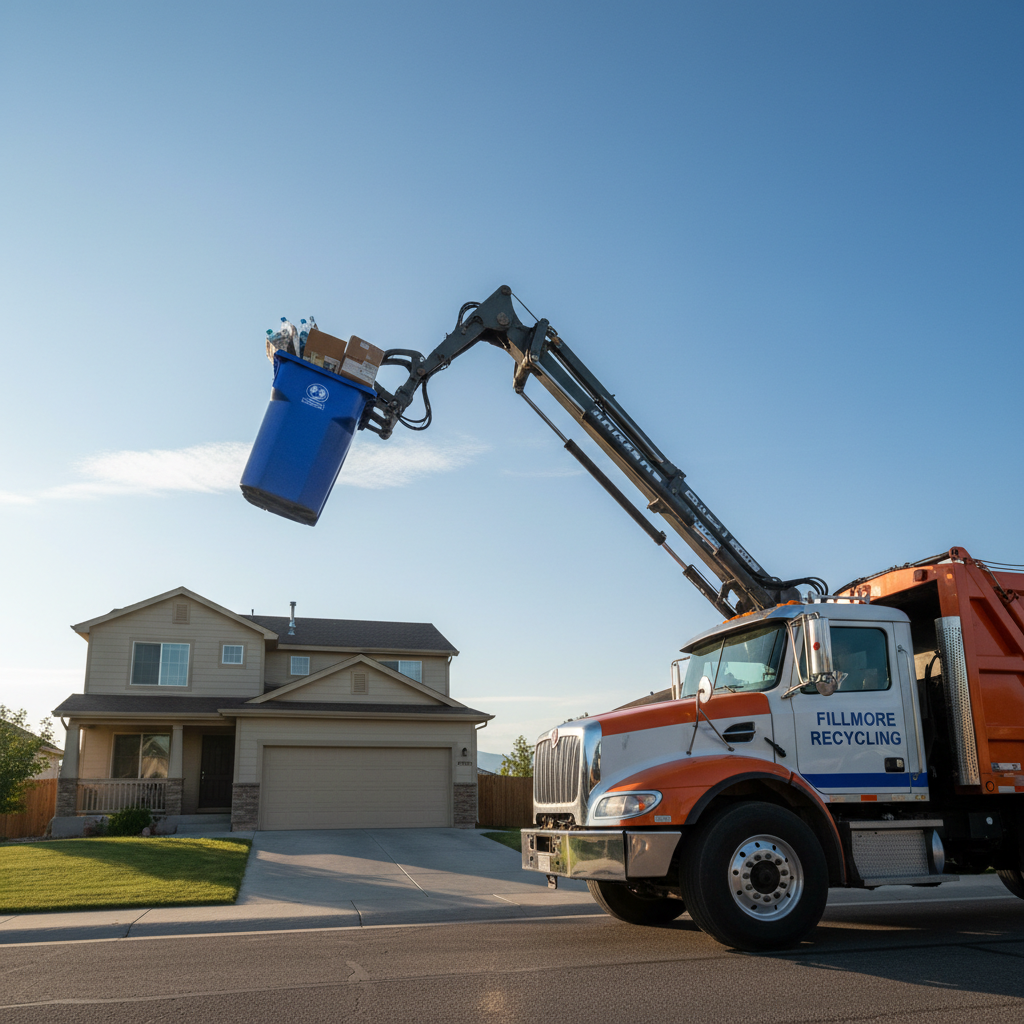
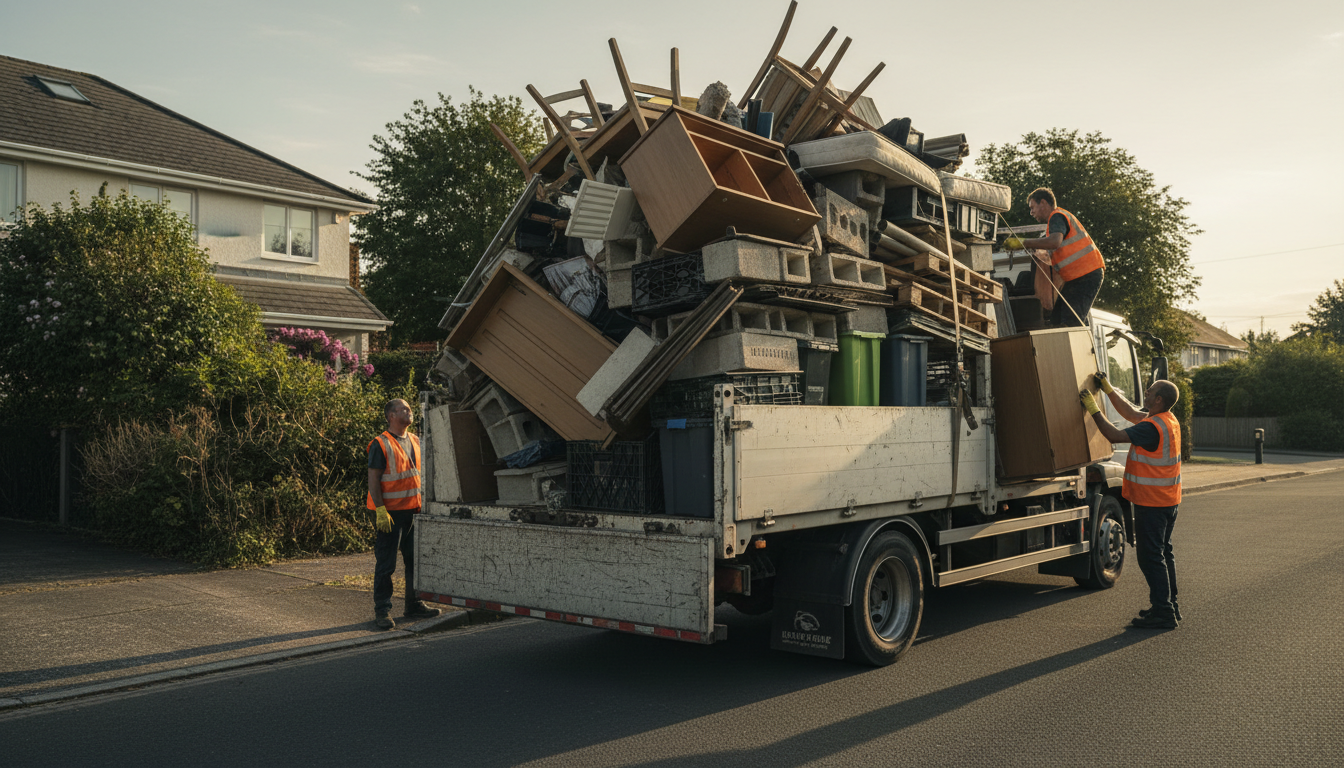
Determining the most economical method for clearing debris requires looking beyond the initial price tag. For many residents in Millard County, the default assumption is that self hauling to a distant drop off site is the least expensive option. However, the hidden costs of multiple trips often exceed the price of a professional service. A standard pickup truck can only hold a fraction of the volume generated by a large fall cleanup. This necessitates several rounds of loading, driving, and unloading, which consumes hours of labor and significant amounts of fuel.
When you evaluate yard waste recycling Fillmore Utah, consider the total expenditure of your resources.
Expense Factor | DIY Self Haul | Millard Recycling Service |
|---|---|---|
Time Required | 4 to 8 hours (multi trip) | Under 30 minutes (loading) |
Fuel & Wear | High (multiple heavy loads) | Included in service |
Safety Risk | Potential for back injury | Professional handling |
Compliance | Responsibility of the driver | 100% compliant and secure |
Millard Recycling utilizes organized routing and modern, high capacity equipment to handle large volumes in a single stop. This efficiency allows us to offer dependable recycling services that are often more cost effective than the cumulative cost of DIY disposal. Our clear service processes ensure you are following all recycling rules in Utah without having to navigate landfill gates or secure heavy loads for highway travel. For households balancing work and property maintenance, the most affordable route is the one that minimizes downtime and eliminates the logistical headache of transport. If you have a large pile ready for removal, contact Millard Recycling to discuss the most efficient pickup schedule for your property.
Fall cleanup is essential for maintaining a healthy landscape and supporting the local environment in Fillmore. By properly sorting your organic materials, you ensure that yard waste is repurposed effectively rather than sitting in a landfill. If the task feels overwhelming or you have more debris than your vehicle can handle, you might consider professional assistance. You can explore our Services to see how we can simplify your disposal process. Let us help you keep your property pristine this season.